
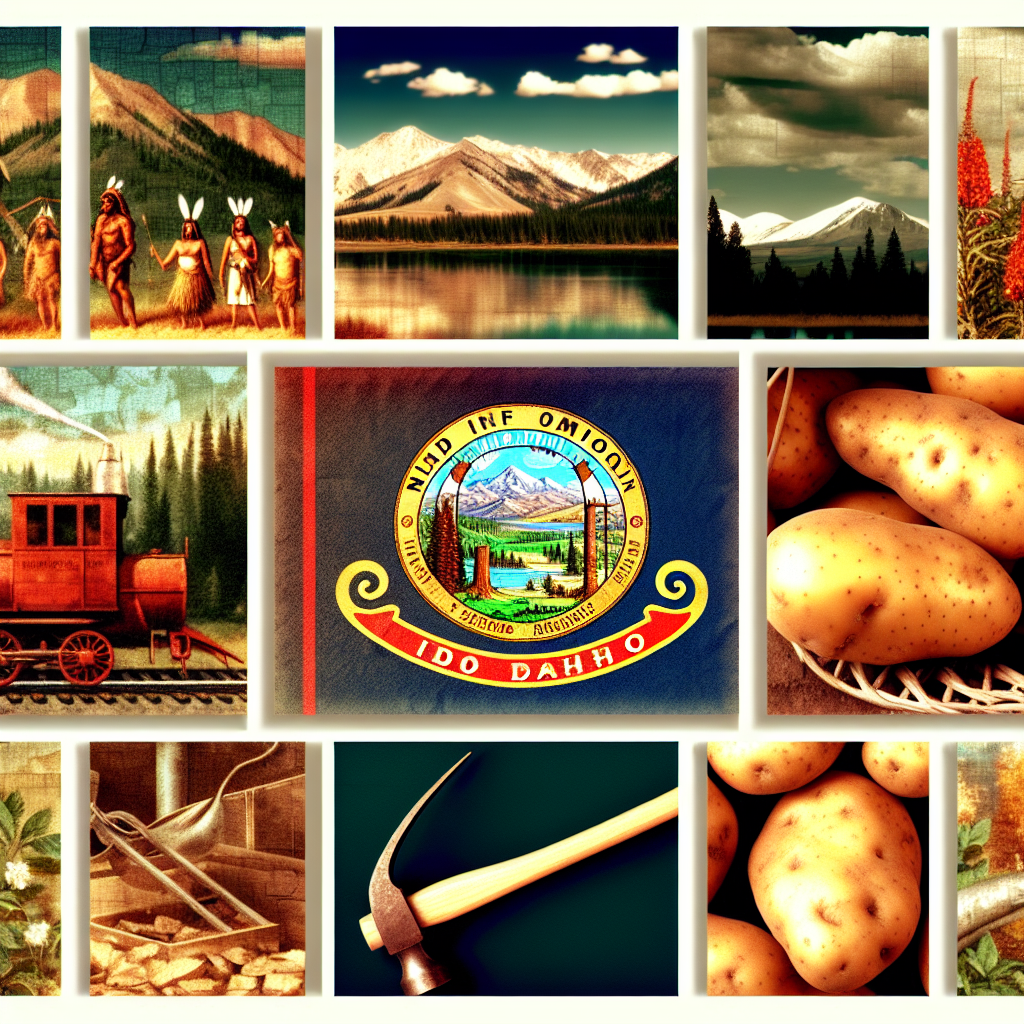
Idaho’s rich history is a captivating saga that unfolds like a precious gem, reflecting the diverse cultures and significant milestones that have shaped this vibrant state. From the ancient footprints of Native American tribes to the relentless spirit of pioneers who carved out their destinies, every chapter of Idaho’s story reveals a deep connection to the land and its resources. The discovery of gold sparked a frenzy of exploration and settlement, transforming the region into a melting pot of dreams and aspirations. As we delve into the past, we witness the evolution of communities, agriculture, and economies that have contributed to Idaho’s identity. This exploration not only honors the past but also enriches our understanding of the Gem State’s unique heritage and enduring resilience.
Delving into Idaho’s historical narrative uncovers a treasure trove of tales that define the state’s character. The chronicles of this land tell of indigenous communities whose vibrant traditions established a rich foundation, as well as settlers who embarked on arduous journeys to forge new lives. Over time, this area transformed from wilderness to a thriving society, marked by significant events such as the Gold Rush and the establishment of statehood. Each historical phase reveals the rich tapestry of human experience, from agricultural developments that propelled the economy to cultural festivals celebrating diversity. By examining the evolution of Idaho, we gain a deeper appreciation for its past and an insight into the forces that continue to shape its future.
The Rich Cultural Tapestry of Idaho’s Native American Tribes
Idaho’s rich history is deeply intertwined with the narrative of its Native American tribes. Long before the arrival of European settlers, several tribes flourished across the land, with communities that thrived on the abundant natural resources. Tribes like the Shoshone-Bannock, Nez Perce, and Coeur d’Alene developed complex societies with distinct cultural practices, languages, and spiritual beliefs. Their connection to the land is not merely historical; through stories, crafts, and oral traditions, this heritage continues to resonate throughout Idaho, influencing its contemporary identity even today.
The Nez Perce tribe, in particular, played a vital role during the early 19th century when explorers Lewis and Clark journeyed through Idaho. Their knowledge of the land was indispensable for these explorers, showcasing the tribes’ understanding of their environment. However, while their hospitality brought initial positive interactions, it quickly turned to conflict due to westward expansion. The Nez Perce War of 1877 remains a significant event in Idaho’s narrative, reflecting the struggles and resilience of Native American tribes faced with encroaching settlers.
Exploration and the Impact of the Gold Rush on Idaho
The era of exploration marked a pivotal chapter in Idaho’s rich history. In the early 1800s, the Lewis and Clark Expedition opened the door for European exploration and settlement. Following this, fur traders and trappers embarked on thrilling adventures across Idaho’s mountains and rivers, leading to commercial opportunities that would reshape the landscape. The arrival of Peter Skene Ogden in 1812 as the first documented European settler further pushed the boundaries of Idaho’s exploration narrative, signaling the start of a new era of settlement and resource extraction.
The most significant transformation of Idaho’s demographics came with the California Gold Rush in 1849. As news of rich gold deposits spread, miners flooded into Idaho, particularly after the discovery of gold in the Clearwater region. This gold rush not only changed the economy but also brought a wave of immigration and cultural exchange, fundamentally altering Idaho’s social fabric. Towns like Idaho City and Silver City emerged as bustling hubs, and the promise of fortune attracted diverse populations, setting the stage for an economically vibrant, yet tumultuous period in Idaho’s development.
Idaho’s Journey to Statehood: A Transformation
Idaho’s journey to statehood showcases a saga of determination and identity. Initially part of Oregon Territory and later Washington Territory, the inhabitants of Idaho sought to forge their own path as they pushed for recognition as a distinct territory. In 1863, their perseverance paid off when Idaho was officially designated a territory, laying the groundwork for its future as a state. This pivotal moment reflected a growing sense of unity among Idahoans and their aspirations for self-governance.
On July 3, 1890, Idaho achieved statehood, entering the Union as the 43rd state. This transition marked a new chapter filled with promise as infrastructure development ensued. The late 19th and early 20th centuries saw the completion of the railroad, which was crucial for transporting goods and people. The burgeoning network facilitated agricultural growth and commerce, enhancing Idaho’s reputation as an essential agricultural hub and cementing the relationship between its agrarian roots and economic progress.
Economic Evolution: From Agriculture to Innovation in Idaho
Agriculture has been the backbone of Idaho’s economy for generations, with potatoes emerging as the state’s most iconic crop. The fertile land and favorable climate have allowed for the cultivation of various crops, contributing significantly to the local economy and shaping Idaho’s identity as a leading agricultural state in the United States. This rich agricultural heritage reflects the hard work and resilience of families whose traditions continue to thrive, blending techniques of the past with modern farming practices.
However, the economic landscape in Idaho has transformed dramatically, especially during the latter half of the 20th century. The repercussions of the Great Depression highlighted the need for innovation and collective community efforts. New Deal programs initiated crucial infrastructure projects, further strengthening local economies. In recent years, Idaho has embraced technological advancements, especially in cities like Boise, where the tech industry has flourished. This shift to diversification illustrates Idaho’s adaptability, ensuring that while it honors its agricultural roots, it also evolves to meet contemporary challenges.
Cultural Heritage and Modern Celebrations in Idaho
The vibrant cultural mosaic of Idaho not only stems from exploration and agriculture but also from the numerous festivals and traditions celebrating its diverse heritage. Modern-day Idaho proudly showcases its multifaceted culture through events like the Boise River Festival and various local art fairs. These celebrations serve as community gatherings, bridging the gap between Idaho’s historical roots and its dynamic present, encouraging participation from both locals and tourists alike.
Moreover, as Idaho continues to grow and diversify, these cultural events are a testament to the state’s enduring spirit. Each festival encapsulates the rich history of Idaho’s Native American tribes, European settlers, and the myriad of cultures that have contributed to its tapestry. By participating in these celebrations, residents honor their history while also promoting inclusivity and community spirit, showcasing that Idaho’s past, present, and future are all intimately linked.
Frequently Asked Questions
What are the key elements of Idaho’s rich history?
Idaho’s rich history is characterized by its Native American heritage, the era of exploration by figures like Lewis and Clark, the Gold Rush, and the journey to statehood in 1890. These elements highlight the state’s cultural diversity, economic evolution through agriculture, and the resilience of its communities.
How did Native American tribes contribute to Idaho’s rich history?
Native American tribes such as the Nez Perce, Shoshone-Bannock, and Coeur d’Alene significantly contributed to Idaho’s rich history through their cultural traditions, art, and involvement in early interactions during the Lewis and Clark Expedition. Their deep connection to Idaho’s land and ongoing cultural presence enrich the state’s historical narrative.
What role did the Gold Rush play in shaping Idaho’s rich history?
The Gold Rush of the late 1840s and 1850s dramatically shaped Idaho’s rich history by attracting miners and settlers seeking fortune. The discovery of gold in areas like Idaho City transformed demographics, leading to rapid economic growth and the development of towns that still reflect this vibrant past.
How did Idaho achieve statehood and how is it reflected in Idaho’s rich history?
Idaho achieved statehood on July 3, 1890, after years as a territory. This milestone is a significant chapter in Idaho’s rich history, illustrating the state’s desire for independence, development, and identity, which continues to influence Idaho’s community and cultural pride today.
What is the significance of agriculture in Idaho’s rich history?
Agriculture has played a pivotal role in Idaho’s rich history, establishing a strong economic foundation, particularly through potato farming. This agricultural heritage reflects the resilience and innovative spirit of Idahoans throughout challenges such as the Great Depression and continues to be a cornerstone of the state’s identity.
| Key Points |
|---|
| Idaho’s nickname, ‘Gem State,’ reflects its natural resources and history. |
| Native American tribes like the Shoshone-Bannock and Nez Perce shaped Idaho’s cultural heritage. |
| Exploration began in the 19th century with Lewis and Clark and European settlers. |
| The California Gold Rush in 1849 attracted many miners to Idaho. |
| Idaho became a territory in 1863 and achieved statehood on July 3, 1890. |
| Agriculture, especially potato farming, is central to Idaho’s economy. |
| The Great Depression led to cooperative efforts and infrastructure projects. |
| Idaho is a cultural mosaic with diverse festivals and traditions. |
| Modern Idaho has evolved with rapid urban growth and a rising tech industry. |
Summary
Idaho’s rich history is a fascinating journey that stretches back thousands of years. The story begins with the vibrant cultures of Native American tribes such as the Shoshone-Bannock and Nez Perce, who thrived long before European settlers arrived. In the early 1800s, explorers like Lewis and Clark paved the way for a new chapter filled with settlers and prospectors drawn by the allure of gold during the 1849 Gold Rush. This period of exploration and economic prospecting ultimately led to Idaho achieving territory status in 1863 and becoming the 43rd state in the Union by July 3, 1890. Agriculture emerged as a cornerstone of Idaho’s economy, particularly through potato farming, which established the state as a leader in this area. As the decades unfolded, notably during the Great Depression, Idaho showcased resilience through community-building efforts. Today, Idaho’s modern identity is a blend of traditional farming, cultural diversity, and technological advancements, continuing to attract visitors and new residents to its stunning landscapes.