
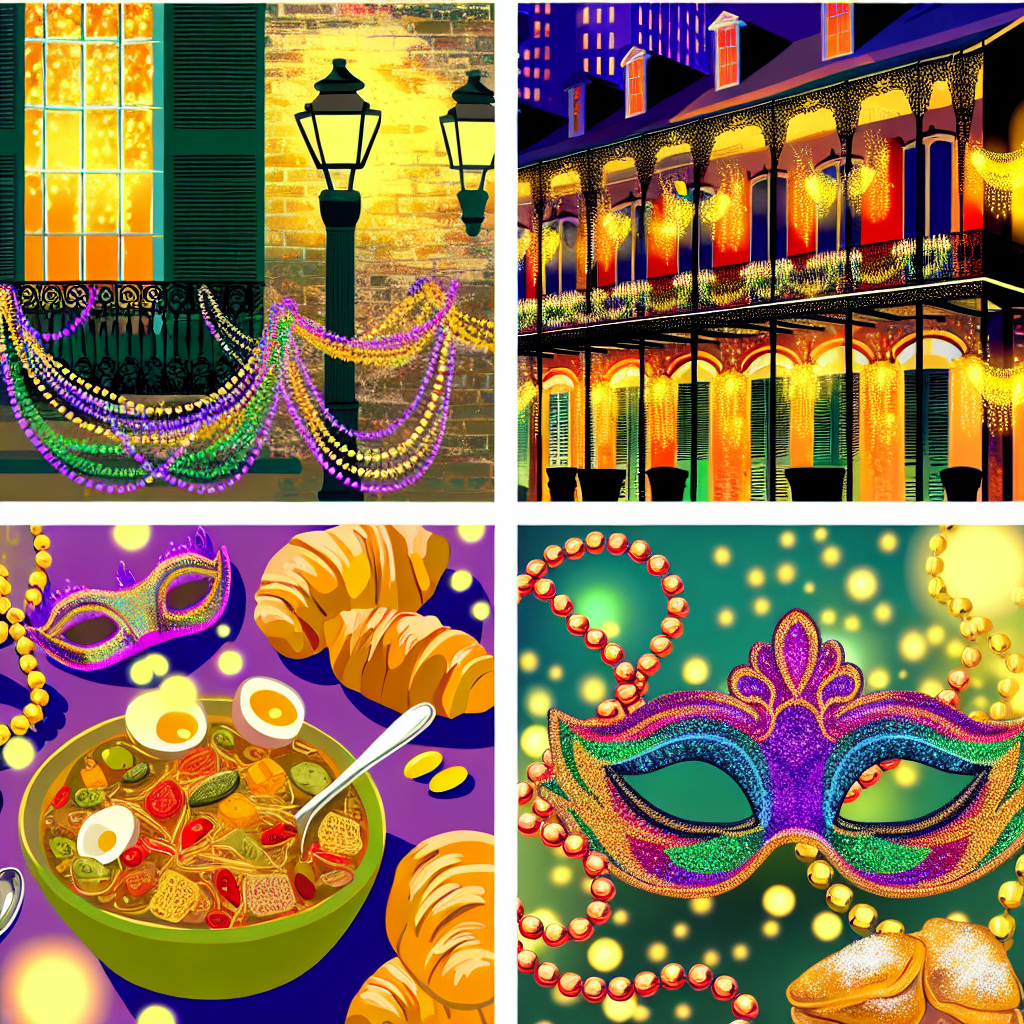
Louisiana cuisine and culture are a vibrant tapestry woven from a rich history and diverse influences, making the state a true culinary haven. Known primarily for its famous Cajun cuisine, Louisiana serves up tantalizing dishes that reflect the heritage of its Acadian roots, with bold flavors and hearty ingredients designed to satisfy the soul. Each year, the state comes alive with vibrant **festivals in Louisiana**, showcasing the culinary delights of **New Orleans food**, where dishes like gumbo and jambalaya reign supreme. The **Mardi Gras celebration** exemplifies the union of food and festivity, featuring beloved treats such as king cake amongst the colorful parades and lively music. As visitors partake in the state’s unique traditions, they’ll discover that Louisiana’s culture is as delectable as its rich culinary offerings.
Exploring the heart of Louisiana reveals a captivating blend of flavors and traditions that embody the spirit of the region. From the spirited atmosphere of festive celebrations to the hearty, flavorful depths of Cajun dishes, the state delights those who come to experience its unique charm. The culinary landscape is painted with iconic items such as gumbo and jambalaya, which serve as a testament to Louisiana’s rich history and its diverse influences. The renowned festivities, particularly Mardi Gras, burst with life and creativity, inviting everyone to taste the joy through delicious food and unforgettable moments. This cultural journey not only tantalizes the palate but also enchants the spirit, providing a true reflection of what Louisiana has to offer.
Understanding the Roots of Cajun Cuisine
Cajun cuisine finds its origins in the rich cultural tapestry of Louisiana, influenced heavily by the Acadian exiles who settled in the region. These French-speaking migrants brought with them a robust tradition of cooking, which has evolved over centuries into the vibrant food culture we see today. The blending of regional ingredients, such as rice, seafood, and game, with the impacts of African and Spanish culinary practices, laid the foundation for what is now recognized as a cornerstone of Louisiana’s gastronomy. Each dish tells a story, rich with history and a connection to their land that resonates deeply with the locals.
The preparation techniques of Cajun dishes often highlight the importance of seasoning and time. Slow-cooked meals, such as gumbo and jambalaya, showcase the appreciation for layering flavors, a testament to the love and care that home cooks pour into every recipe. The clear distinction between Cajun and Creole cuisine is also noteworthy; while Cajun cuisine is rustic and rooted in the country lifestyle, Creole cooking displays more sophisticated and cosmopolitan influences. This culinary evolution reflects the broader Louisiana experience, where tradition meets innovation in delightful ways.
Festivals in Louisiana: A Cultural Extravaganza
Louisiana is synonymous with celebration, boasting an array of vibrant festivals throughout the year that attract locals and tourists alike. From the lively Lafayette’s Festival International to the unique Bayou Boogaloo, each event showcases the state’s rich cultural heritage, music, and, of course, food. Festivals often feature live music performances, arts and crafts, and, essential to Louisiana culture, local cuisine. Crawfish boils, gumbo cook-offs, and sweet treats like king cake are must-try highlights for festival-goers, emphasizing the warm, communal spirit of these gatherings.
One of the most prominent festivals is the New Orleans Jazz & Heritage Festival, which celebrates the birthplace of jazz music while honoring Louisiana’s roots and diverse cultural influences. The festival features an extensive lineup of musicians and artists, alongside food vendors serving authentic Louisiana dishes. Such events not only celebrate music and culinary artistry but also preserve the rich cultural traditions that define Louisiana. For locals and visitors alike, these festivals create lasting memories filled with laughter, dance, and sumptuous flavors.
The Allure of Mardi Gras Celebrations
Mardi Gras in Louisiana is an unparalleled experience, marked by its exuberance and colorful revelry. This festive season takes over New Orleans and surrounding areas, commencing weeks ahead of Lent with elaborate parades, masquerade balls, and countless street parties. The elaborate floats, created by various krewes, are a spectacular sight, often adorned with themes that reflect local legends, societal commentary, or pure whimsy. This celebration is not just about the visuals; it is equally about community, as neighbors and strangers alike gather in celebration of life, culture, and togetherness.
The atmosphere is electric, with music filling the air and the aroma of Cajun and Creole dishes wafting from nearby eateries and food stalls. As participants don vibrant costumes and masks, they embrace the spirit of renewal and festivity that Mardi Gras represents. Central to the culinary aspect is the beloved king cake, a treat synonymous with the season, where the search for the hidden figurine within the cake adds a fun, competitive element to gatherings. The entire experience encapsulates the joie de vivre of Louisiana, making Mardi Gras a highlight of the cultural calendar.
Iconic Dishes of Louisiana Cuisine
Louisiana’s culinary landscape is distinguished by a range of iconic dishes that embody the state’s rich ethnic heritage. At the forefront is gumbo, which varies in preparation but is typically a hearty stew thickened with a roux, featuring ingredients from seafood to sausage, showcasing the state’s bountiful resources. Another must-try dish is jambalaya, which combines rice with an assortment of meats and spices for a satisfying meal embraced by families across generations. These dishes not only satisfy hunger but also provide a taste of Louisiana’s rich cultural narrative, where flavors and traditions intertwine beautifully.
Louisiana cuisine also includes delights like crawfish étouffée, where tender seafood is smothered in a rich, spiced sauce, perfectly served over rice, creating a comfort food that warms the soul. Additionally, no visit to the state would be complete without sampling beignets from Café du Monde, the pastry’s irresistible sweetness reflecting Louisiana’s French influence. Each meal is an invitation to explore the state’s narrative through its flavors, highlighting the importance of community and togetherness over shared dining experiences.
Planning Your Culinary Adventure in Louisiana
Planning a trip to Louisiana requires attention to timing, especially if you want to immerse yourself in the unique culinary experiences available. Consider visiting during the Spring, as the weather is pleasant and festivals such as Mardi Gras and the Jazz Fest showcase the best of Louisiana cuisine and culture. This is also when fresh crawfish are in season, making it the perfect opportunity to indulge in local culinary treasures, whether in traditional dishes or at outdoor food festivals celebrating both new and classic recipes.
As you design your adventure, make a point to explore the many renowned restaurants, cafes, and food stands throughout Louisiana. Each stop along the way offers a chance to taste legendary dishes, providing both familiar comforts and new flavors to explore. With every meal, you’ll get to experience the warmth of Louisiana hospitality, where food is a means of connection and celebration. So, heed the call of the bayou and let the multiplying flavors guide your journey through one of America’s most enticing culinary landscapes.
Frequently Asked Questions
What are the key features of Cajun cuisine in Louisiana?
Cajun cuisine in Louisiana is characterized by bold flavors and hearty ingredients. It typically includes staples like the Holy Trinity—onion, bell pepper, and celery—found in iconic dishes such as gumbo, jambalaya, and étouffée. This distinctive culinary style reflects the cultural heritage of the Acadians and emphasizes local ingredients, making it a beloved aspect of Louisiana’s gastronomy.
How is Mardi Gras celebrated in Louisiana?
Mardi Gras in Louisiana is a vibrant festival celebrated with parades, parties, and elaborate costumes. Known as ‘Fat Tuesday,’ it marks the final day of revelry before Lent. The festivities include floats from various krewes, each with unique themes, as well as traditional foods like king cake, which features a hidden figurine that designates the next party host.
What is gumbo and why is it important to Louisiana culture?
Gumbo is a signature dish of Louisiana cuisine, known for its rich, flavorful broth made from a dark roux. Often containing seafood, sausage, or chicken, served over rice, gumbo embodies the diverse cultural influences of Louisiana, including French, African, and Spanish traditions. It is a staple at gatherings and celebrations, reflecting the communal spirit of Louisiana’s culinary traditions.
What role does King Cake play in Louisiana’s Mardi Gras celebrations?
King Cake is a traditional dessert enjoyed during Louisiana’s Mardi Gras season. This sweet, brioche-like cake is decorated in the festive colors of purple, green, and gold. A small figurine is hidden inside, and the person who finds it is tasked with hosting the next year’s King Cake party. This tradition adds an interactive and communal aspect to the Mardi Gras festivities.
Are there specific food festivals in Louisiana that highlight Cajun cuisine?
Yes, Louisiana hosts numerous food festivals celebrating Cajun cuisine and culture. Events like the Lafayette Cajun & Creole Festival and the New Orleans Jazz and Heritage Festival showcase local dishes such as jambalaya, gumbo, and étouffée, along with live music. These festivals offer a taste of Louisiana’s rich culinary heritage and vibrant community spirit.
| Aspect | Details |
|---|---|
| Cajun Cuisine | Reflects the culture of Acadians; known for bold flavors and hearty ingredients. |
| Key Ingredients | Holy Trinity (onion, bell pepper, celery); essential for gumbo and jambalaya. |
| Popular Dishes | Gumbo (rich soup), Jambalaya (one-pot meal), étouffée (smothered seafood). |
| Iconic Restaurants | Café du Monde (New Orleans), Prejean’s (Lafayette); showcase both food and culture. |
| Mardi Gras | Famous festival marking the day before Ash Wednesday, celebrated with parades and parties. |
| Krewes and Parades | Social clubs that organize parades with themed floats that throw beads and trinkets. |
| Costumes and Masks | Creative outfits and masks are essential for participant anonymity and festivity. |
| Mardi Gras Food | King cake and crawfish étouffée are must-try dishes during the celebrations. |
| Planning a Visit | Synchronize your visit with Mardi Gras for a complete cultural and culinary experience. |
Summary
Louisiana cuisine and culture have evolved over centuries, forming a unique identity that is both vibrant and enticing. Initially shaped by the Acadians, Cajun cuisine laid the foundation of Louisiana’s culinary landscape. As the years progressed, this rich culinary heritage was further enriched by Creole influences, making Louisiana a haven for food lovers. By the time Mardi Gras emerged as a dominant cultural celebration, it became a pivotal aspect of Louisiana life, showcasing the state’s diverse traditions and lively spirit. Each February, the excitement builds as communities prepare for the festivities, adorned with elaborate parades and lively gatherings. The significance of Mardi Gras has grown, intertwining with the culinary traditions that highlight Louisiana’s love for food and festivity. This chronological journey through Louisiana cuisine and culture continues to attract visitors, inviting them to partake in the richness of the state during their adventures.