
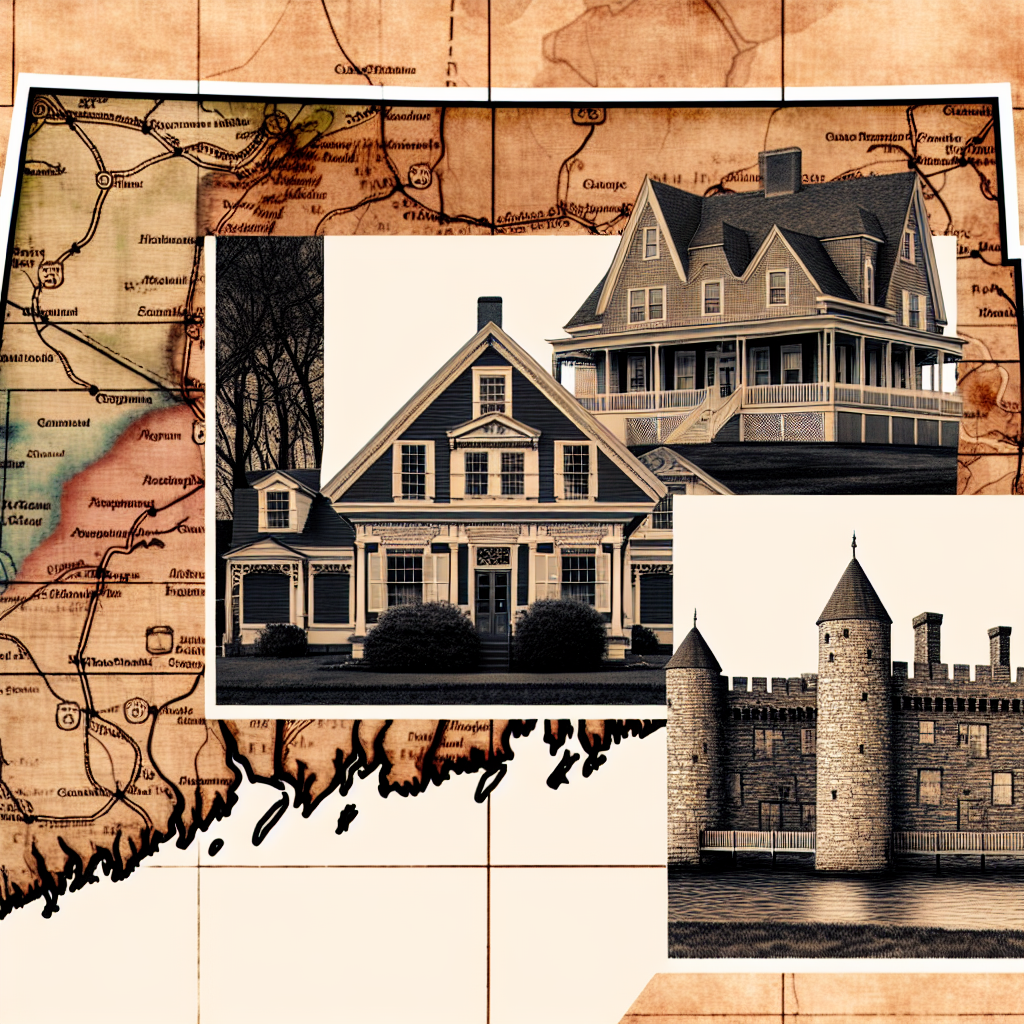
Connecticut’s rich history offers an enthralling exploration into the past, revealing how this small state played a significant role in the broader narrative of American development. From early colonial settlements founded in pursuit of religious freedom to its strategic importance during the Revolutionary War, Connecticut’s history is a tapestry woven with pivotal events and influential figures. The state boasts a plethora of historical sites in Connecticut, where visitors can walk through time at landmarks like the Mark Twain House and Mystic Seaport. Notable moments such as the Civil War in Connecticut cemented its place in the nation’s fight for freedom and equality. Discovering Connecticut’s museums allows enthusiasts to delve deep into tales of innovation, culture, and resilience that have shaped both the state and the nation as a whole.
The story of Connecticut is a fascinating chronicle of development and transformation, revealing the intricate layers that have shaped its identity through time. This state has long been a hub for significant events that reflect the spirit of early America, particularly during the colonial period and into the tumultuous Revolutionary era. As we explore the various historical landmarks across Connecticut, it becomes apparent that the influences of key historical moments, including the Industrial Revolution and the fight for civil rights, are deeply embedded in the state’s narrative. Visitors can engage with a range of Connecticut museums and heritage sites that actively showcase the legacies of its prominent figures and groundbreaking movements. Through this historical lens, the multifaceted tapestry of Connecticut begins to unfold, offering a rich backdrop for understanding America’s journey.
The Early Settlement and Foundations of Connecticut’s History
Connecticut’s history began with the arrival of English settlers in the early 17th century, specifically in 1633. This critical period marked the establishment of a community that sought both economic prosperity and religious freedom. Thomas Hooker, the prominent figure leading these settlers, aimed to create a society that emphasized democratic principles. In setting foot in what would become Hartford, these colonists laid the groundwork for governance that would influence the future of American democracy. The creation of the Fundamental Orders in 1638 is seminal, as it represented the first written constitution adopted in the New World, setting a precedent for self-governance.
As Hartford flourished, it became a beacon of political and social development within the colonies. The early settlers’ commitment to religious freedom attracted more inhabitants, establishing a diverse community that promoted various ideas and philosophies. The impact of this early settlement period is still felt today, highlighted by historic sites across Connecticut, such as the Old State House, which serve as a testimony to the state’s formative years and its enduring legacy in American history.
Revolutionary War: Connecticut’s Critical Role
The Revolutionary War period marked another pivotal chapter in Connecticut’s rich history. The state’s geographic location made it a vital supplier for the Continental Army, amplifying its strategic importance. Fort Griswold, located in Groton, became the site of intense conflict, demonstrating Connecticut’s military significance. The battle observed there in 1781 not only showcased the fierce determination of the patriots but also revealed the sacrifices made by local soldiers. Connecticut’s contribution to the war effort is memorialized through various historical sites, which continue to attract visitors eager to learn about the state’s role in achieving independence.
In the aftermath of the war, Connecticut embraced its newfound identity as part of a nation striving for liberty. The evolution of military sites into historical landmarks, like Fort Griswold, plays a crucial role in educating future generations about the struggles faced during those formative years. Today, these sites thrive as museums and educational centers, offering programs that keep the memory of Connecticut’s contributions alive, thereby cementing its place in Revolutionary War history.
Industrial Revolution: Transformations in Connecticut
The 19th century heralded a shift in Connecticut’s narrative, with the Industrial Revolution bringing unprecedented change and growth. Cities such as Hartford and New Haven emerged as industrial leaders, fostering innovation and attracting waves of immigrants seeking opportunities. Industries thrived, specializing in manufacturing and producing iconic items, including the safety pin and the bicycle. This economic boom not only transformed the landscape but also reshaped the demographic fabric of the state, resulting in a dynamic and culturally rich environment.
Connecticut’s industrial prowess is celebrated today through its numerous historical museums that illustrate the innovations of the past. For instance, the Connecticut River Museum highlights the importance of the river as a transportation route, emphasizing the state’s maritime heritage. As visitors explore these museums, they gain insights into Connecticut’s evolution, not just as an industrial center but as a place where creativity and resilience flourished amidst change.
Historic Landmarks: A Walk Through Connecticut’s Past
Connecticut is richly adorned with historic landmarks that beckon visitors to explore the layers of its past. From the Mark Twain House in Hartford, where the celebrated author penned his most famous works, to Mystic Seaport, which captures the essence of maritime life, each site offers a unique glimpse into different eras. These landmarks embody the spirit of Connecticut’s history, inviting exploration and reflection on the stories that unfolded within their walls.
Visiting these sites not only enhances one’s understanding of Connecticut’s heritage but also ignites a passion for history. The Gillette Castle State Park, a whimsical creation from the early 20th century, stands as a testament to human creativity, drawing visitors with its architectural uniqueness. Amidst the picturesque backdrop of the Connecticut River, these historical sites serve as vital resources for all who seek to understand the diverse narratives woven into Connecticut’s identity.
Civil Rights Movements: The Evolution of Connecticut’s Role
Connecticut’s history of involvement in civil rights movements is significant, dating back to the 19th century when abolitionist sentiments gained prominence. The state became a hub for abolitionists, with notable figures like Harriet Beecher Stowe advocating passionately against slavery. Stowe’s literary contributions, particularly her novel “Uncle Tom’s Cabin,” reached far beyond Connecticut, motivating anti-slavery movements nationwide. Today, her home has been transformed into a museum where visitors can explore her legacy and understand the profound impact of her work on society.
As the American landscape shifted towards the Civil War, Connecticut’s commitment to the Union cause was evident through its mobilization of troops and resources. Post-Civil War, the state actively engaged in advancing civil rights throughout the Reconstruction era and beyond, supporting various organizations aimed at promoting equality and justice. By studying Connecticut’s role in these significant movements, individuals gain insights not only into the struggles of the past but also into the ongoing journey toward equality, echoed through the state’s history and current social justice initiatives.
Frequently Asked Questions
What are some key events in Connecticut history during the Revolutionary War?
Connecticut’s rich history during the Revolutionary War includes its role as a crucial supply line for the Continental Army. Significant events occurred at sites like Fort Griswold in Groton, where a major battle took place in 1781. This fort remains a historical landmark, allowing visitors to learn about Connecticut’s military contributions during the war.
What historical sites in Connecticut can I visit to learn more about its past?
Connecticut offers numerous historical sites to explore. Notable landmarks include the Mark Twain House and Museum in Hartford, which showcases the author’s life and work. Mystic Seaport serves as a living museum depicting the state’s maritime history, while Gillette Castle State Park is a unique architectural gem reflecting early 20th-century creativity.
How did Connecticut contribute to the abolition movement?
Connecticut’s history is significant in the abolition movement, with the state becoming a center for anti-slavery activities in the 19th century. Influential figures like Harriet Beecher Stowe, who wrote ‘Uncle Tom’s Cabin’ while living in Hartford, played a vital role in shaping public opinion against slavery in America.
What cultural contributions is Connecticut known for?
Connecticut’s rich history is marked by its contributions to literature and the arts. Not only is it the home of renowned authors like Mark Twain, but it also houses prestigious institutions like Yale University in New Haven. The Yale Art Gallery and British Art Center contribute to the state’s robust cultural scene with world-class art collections.
How did Connecticut’s history influence its development during the Industrial Revolution?
During the Industrial Revolution, Connecticut’s rich history is characterized by its transformation into an industrial hub, specializing in manufacturing, including innovations like the safety pin and bicycle. Cities such as Hartford and New Haven became centers of innovation, attracting immigrants and fostering a diverse cultural landscape that drives the state’s identity today.
| Category | Key Points |
|---|---|
| Early Settlement and Colonial Era | English settlers arrived in 1633, led by Thomas Hooker. Hartford was founded in 1638 and became a hub for democratic governance. |
| Revolutionary War and Military Significance | Connecticut acted as a crucial supply line for the Continental Army during the American Revolution, particularly noted for the battle at Fort Griswold in 1781. |
| The Industrial Revolution | In the 19th century, Connecticut emerged as an industrial powerhouse with innovations in manufacturing and transportation, attracting a diverse population. |
| Historic Sites and Landmarks | Key sites include the Mark Twain House, Mystic Seaport, and Gillette Castle, highlighting the state’s rich cultural and historic contributions. |
| Role in Abolition and Civil Rights | Connecticut was a center for abolitionist activities, significantly influenced by figures like Harriet Beecher Stowe and continued to advocate for civil rights post-Civil War. |
| Cultural Contributions | The state is home to Yale University and has a rich literary tradition, contributing significantly to American arts and culture. |
Summary
Connecticut’s rich history is a captivating journey through time, beginning with the arrival of English settlers in 1633 who sought religious freedom and governance based on democratic principles. The establishment of Hartford in 1638 marked a pivotal moment in American self-governance, evolving through the Revolutionary War where Connecticut served as a vital supply line. The Industrial Revolution in the 19th century transformed Connecticut into an industrial stronghold, fostering innovation and attracting a diverse population. The state’s commitment to social justice is reflected in its role in abolition and civil rights, with significant figures like Harriet Beecher Stowe influencing national sentiments. Through its historic sites, cultural contributions, and lasting impact on American education and literature, Connecticut offers a rich narrative that visitors can explore and appreciate.