
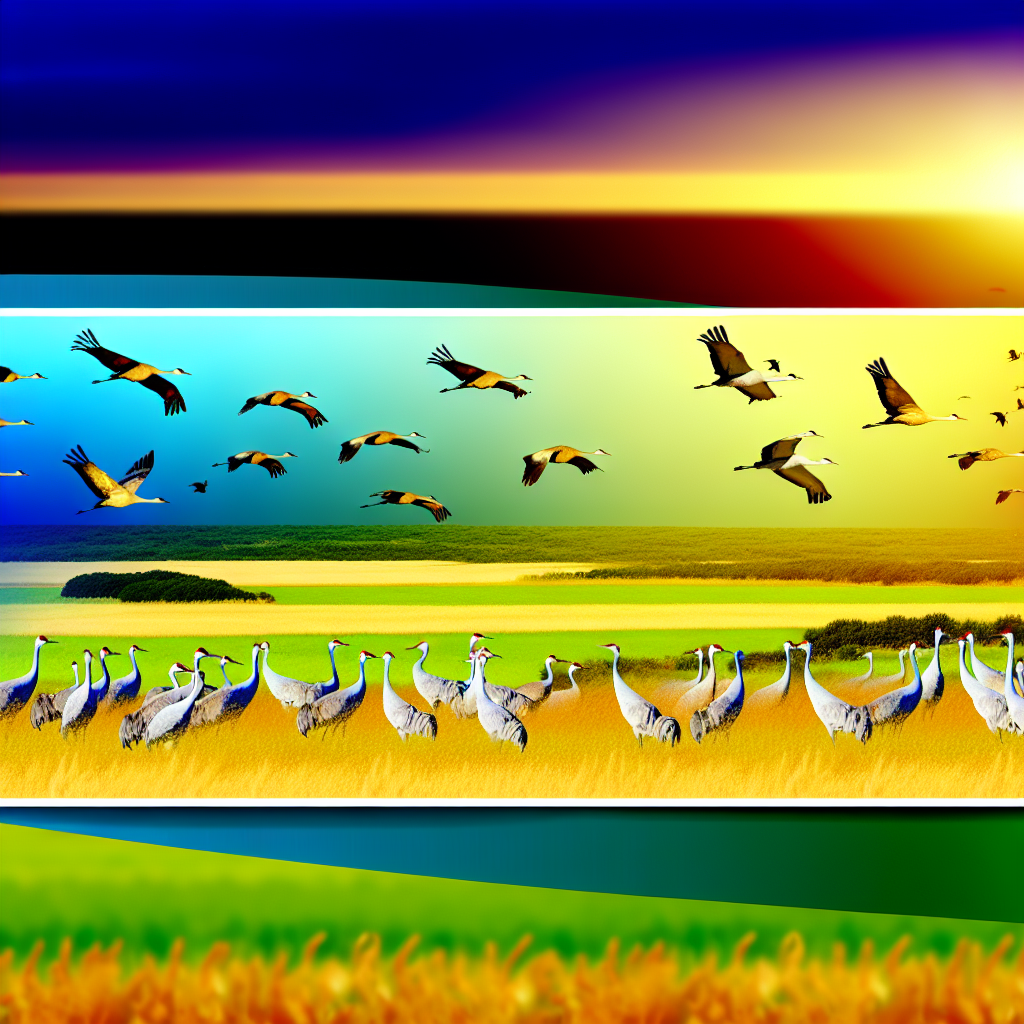
Kansas wildlife captivates enthusiasts with its remarkable array of ecosystems and species, offering a paradise for bird watchers and nature lovers alike. Nestled in the heart of North America, this Midwestern state serves as a crucial stopover for migratory birds, making it an ideal destination for birding in Kansas. The available wildlife reserves and natural habitats provide incredible opportunities to spot a variety of birds, including the stunning geese and vibrant songbirds that grace the skies each spring and fall. From the expansive wetlands of Quivira National Wildlife Refuge to the serene trails at Lake Scott State Park, Kansas birding spots are both abundant and diverse. Whether you’re a seasoned bird watcher or a casual observer, the state’s breathtaking landscapes and thriving wildlife guarantee a memorable experience.
The diverse fauna found throughout Kansas is a testament to the state’s rich ecological tapestry. Nature enthusiasts will find that the open landscapes and rejuvenating wetlands present a unique venue for observing various bird species. Popular among dynamic outdoor explorers, Kansas is home to many parks dedicated to preserving its natural habitats—a haven for wildlife lovers. Local birding opportunities not only enhance the experience for aficionados but also foster appreciation for the state’s ecological significance. As the seasons change, the migration patterns bring an exciting surge of life, making Kansas a thriving locale for outdoor adventures.
The Diversity of Kansas Wildlife
Kansas is home to a remarkable variety of wildlife, showcasing ecosystems that range from expansive grasslands to lush wetlands. This diversity not only supports a plethora of bird species but also a myriad of other animals, making it an ideal location for nature lovers. As you wander through the state’s wildlife reserves, such as Quivira National Wildlife Refuge or Cheyenne Bottoms, it’s common to encounter various species, including deer, foxes, and a vast array of birdlife. Rich marshes and prairies are intertwined with woodlands, creating splendid habitats perfect for observation and education.
From migratory birds traveling on their seasonal routes to native species that call Kansas home year-round, the state’s natural habitats play a critical role in sustaining local biodiversity. Each ecosystem contributes uniquely, from the wetlands of Cheyenne Bottoms, vital for waterfowl, to the tallgrass prairies supporting grassland birds like the Bobolink. Engaging with these natural environments not only offers thrilling observations but also fosters a deeper understanding of ecological balance, emphasizing the importance of preserving these habitats for future generations.
Best Birding Seasons in Kansas
The prime seasons for bird watching in Kansas coincides with migration patterns, particularly in spring and fall. In spring, particularly from March to May, birders have the advantage of spotting migratory species returning to their breeding grounds. This is an exhilarating time to explore Kansas birding spots, as the landscape is bursting with activity and the air is filled with the sounds of new life returning to the prairies and wetlands.
As the seasons shift into fall, from September to November, bird watchers can witness another spectacular migration. Many birds stop in Kansas during their journey south, making it an excellent time to observe a variety of species. During these peak times, locations such as Lake Scott State Park and Perry Lake become bustling hubs for nature lovers and bird watchers alike, showcasing the dynamic changes that occur within the state’s avian population.
Top Bird Watching Locations in Kansas
Kansas boasts numerous prime birding locations that cater to both seasoned bird watchers and novices alike. Quivira National Wildlife Refuge is a standout destination, measuring over 22,000 acres and providing habitats for over 300 species of birds. The refuge’s wetlands, grasslands, and uplands serve as a backdrop for thrilling bird-watching experiences, especially during the spring and fall migrations when various species flock to its shores.
Similarly, Cheyenne Bottoms is renowned for its expansive wetland area, recognized as a Ramsar Wetland of International Importance. Waterfowl flood into the area during migration seasons, making it a brilliant spot to capture sightings of Northern Pintails and American Black Ducks. With established viewing platforms, nature trails, and guided tours, both these locations offer an incredible opportunity to immerse oneself in Kansas wildlife and enjoy the vibrant birding community.
Engaging with Local Wildlife Organizations
For those looking to enhance their birding experience, engaging with local organizations like Kansans for Wildlife can be incredibly beneficial. This grassroots group dedicates itself to wildlife conservation throughout the state, organizing events aimed at fostering appreciation for nature and wildlife among residents and visitors alike. Through their well-structured programs, participants get access to expert knowledge on Kansas’s diverse ecosystems and ongoing conservation efforts.
Joining guided bird watching tours through these organizations not only enriches your understanding of local wildlife but also connects you with fellow enthusiasts. This community engagement is vital in raising awareness about the preservation of natural habitats and the crucial role every individual plays in maintaining Kansas’s ecological diversity. Regular events hosted by these organizations offer a social aspect to bird watching, making it an enjoyable experience for nature lovers.
Essential Tips for Bird Watching in Kansas
When embarking on a bird watching adventure in Kansas, being well-prepared can significantly enhance your experience. First and foremost, having the right gear is essential; a pair of quality binoculars paired with a field guide specific to Kansas birds will greatly improve your chances of successful spotting. Nature lovers should also come equipped with a notebook or smartphone to record their sightings, allowing them to track and identify the various species they observe.
Moreover, it’s important to dress appropriately for the weather, particularly because Kansas can experience drastic changes in temperature and conditions depending on the season. Being patient and quiet while observing wildlife is key; this will allow you to enjoy the tranquility of nature and increase your chances of witnessing stunning bird behaviors. Lastly, linking up with local bird watching groups will provide valuable resources, expert insights, and a chance to join in on community conservation efforts, deepening your connection to Kansas wildlife.
Frequently Asked Questions
What are the best Kansas wildlife reserves for bird watching?
Kansas is home to several exceptional wildlife reserves ideal for bird watching, including Quivira National Wildlife Refuge and Cheyenne Bottoms. These areas host hundreds of migratory bird species, especially during peak seasons in spring and fall, making them prime spots for nature lovers in Kansas.
Where can I find the top Kansas birding spots?
Some of the top Kansas birding spots include Quivira National Wildlife Refuge, Cheyenne Bottoms, and Tallgrass Prairie National Preserve. Each location offers unique habitats that attract a diverse array of bird species, providing fantastic opportunities for both novice and experienced bird watchers.
When is the best time for bird watching in Kansas?
The best time for bird watching in Kansas is during the spring and fall migration periods, specifically from March to May and September to November. During these times, the state sees an influx of migratory birds, allowing nature lovers to witness a variety of species in Kansas’s natural habitats.
How can nature lovers enjoy Kansas’s wildlife?
Nature lovers in Kansas can explore various parks and wildlife reserves, such as Wildcat Creek and Lake Scott State Park. These areas provide excellent hiking trails and bird watching opportunities, allowing visitors to appreciate the state’s rich biodiversity and beautiful landscapes.
What types of birds can be seen in Kansas wildlife habitats?
In Kansas’s wildlife habitats, you can observe a wide range of bird species, including Sandhill Cranes, American Avocets, Bald Eagles, and Grasshopper Sparrows. Reserves like Quivira and Cheyenne Bottoms are particularly noted for their diverse avian populations, catering to avid bird watchers.
| Location | Description | Highlights |
|---|---|---|
| Quivira National Wildlife Refuge | Over 22,000 acres of wetlands, grasslands, and uplands, home to over 300 species of birds. | American Avocets, Sandhill Cranes, Birding Festival events. |
| Cheyenne Bottoms | 41,000 acres of wetland, key stopover for migratory waterfowl. | Northern Pintail, American Black Duck, viewing platforms. |
| Tallgrass Prairie National Preserve | Preserves one of the last tallgrass prairie ecosystems. | Bobolink, Grasshopper Sparrow, scenic hiking trails. |
| Kansans for Wildlife | Grassroots organization focused on wildlife conservation. | Guided tours, events, and conservation learning opportunities. |
| Wildcat Creek | Beautiful serene location near Manhattan with rich birdlife. | Downy Woodpecker, Eastern Bluebird, hiking trails. |
| Lake Scott State Park | Known for beautiful scenery and diverse wildlife. | Best for spotting migratory waterfowl, family-friendly. |
| Perry Lake | Recreational area with diverse bird breeding grounds. | Home to Bald Eagles, hiking and biking trails. |
Summary
Kansas wildlife offers an impressive variety of habitats that attract numerous bird species throughout the year. Spring, particularly between March and May, marks the arrival of migratory birds returning to their breeding grounds, making this the prime time for bird watchers. Following spring, the peak fall migration from September to November also draws many spectacular birds as they travel south for the winter. Notably, locations like Quivira National Wildlife Refuge and Cheyenne Bottoms become bustling hubs for both amateur and seasoned birders during these migrations. As a hidden treasure in the realm of wildlife observation, Kansas showcases an incredible diversity of ecosystems facilitating splendid bird watching opportunities that nature lovers should not miss.