
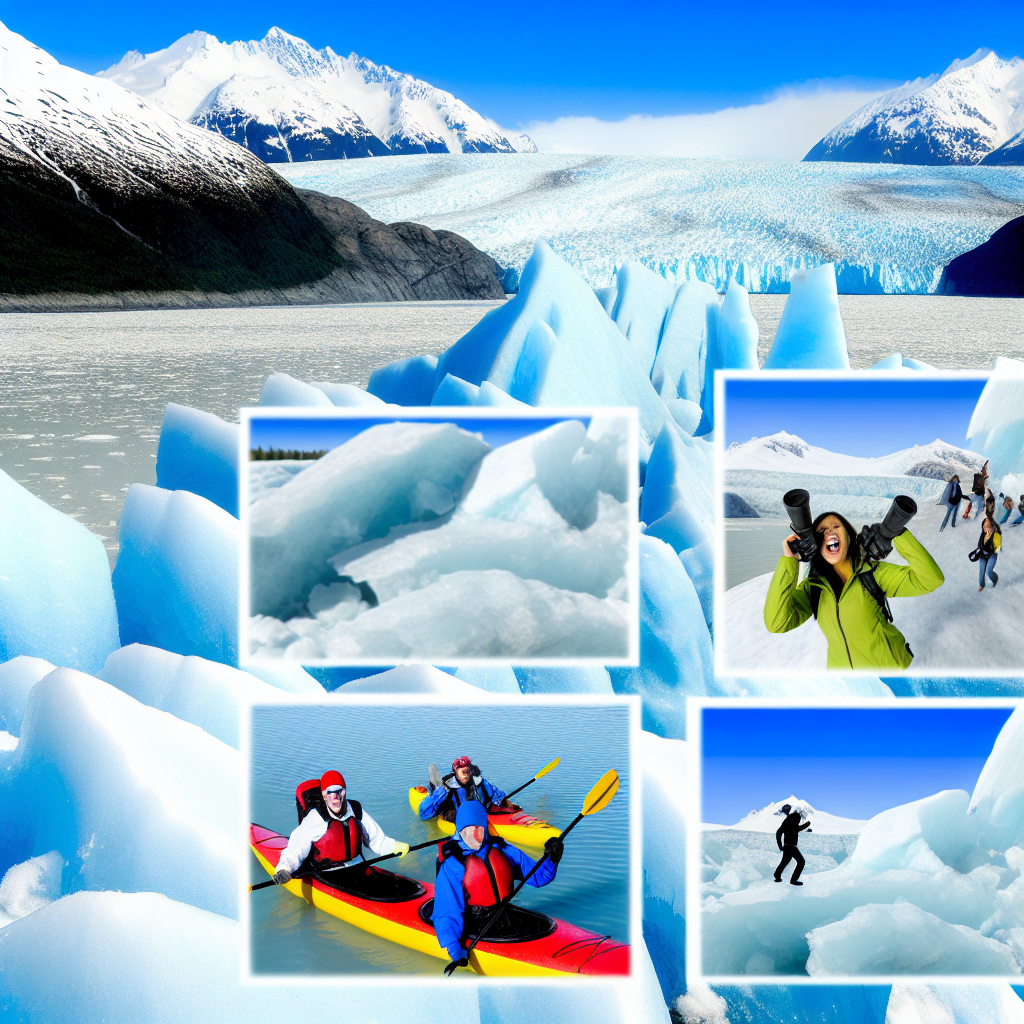
Alaska’s glaciers are among the most spectacular features of this rugged terrain, attracting adventurers and nature lovers alike. With breathtaking sights like the Mendenhall Glacier and the easily accessible Exit Glacier, visitors can delve into a world shaped by glacial retreat and climate change. The state is a treasure trove of opportunities for glacier hiking, glacier tours, and sustainable tourism, making it an essential destination for Alaska adventures. Each glacier not only tells a story of ancient ice formations but also serves as a stark reminder of the environmental impact of modern times. As we explore the mesmerizing blue ice and embrace the icy landscapes, it’s vital to recognize our role in preserving these natural wonders for future generations.
The icy giants of Alaska, often referred to as massive ice formations, are a must-see for anyone seeking an unforgettable experience. These glacial marvels, including iconic sites such as Mendenhall and Exit, provide insights into the past and present challenges of our planet’s climate. Travelers can embark on exhilarating glacier hiking journeys or enjoy guided glacier tours that highlight the delicate balance of nature. As these colossal structures diminish due to warming temperatures, they’re a poignant symbol of the urgent need for sustainable tourism and environmental awareness. Alaska’s frozen landscapes invite exploration while reminding us of the pressing issues our planet faces.
The Journey of Glacier Formation in Alaska
Understanding how Alaska’s glaciers come to be is an extraordinary tale of nature’s wonder. The journey begins with the accumulation of snowfall over many years, where layers of snow compact under their own weight to form ice. This process is intricately linked to Alaska’s distinct climate, particularly in the coastal regions where warm, moist air meets the cold land. Over time, the snow becomes transformed into dense ice, forming glaciers that can stretch for miles. Such processes are observable in notable areas like Glacier Bay National Park, a living laboratory for glaciologists observing the effects of climate change on glacier movement.
As we delve deeper into the historical aspects of glacier formation, it becomes clear that glaciers are not mere remnants of the past; they are active participants in our current ecosystem. For instance, the notable movement of Mendenhall Glacier provides insight into the urgency of the discussions surrounding climate impact. Scientists meticulously analyze the retreat of this glacier, offering crucial data that reflect the rapid changes our planet faces today. Through educational programs and guided tours, visitors can appreciate not only the beauty of these glaciers but also the science behind their existence.
Experience Alaska’s Iconic Glaciers
The experience of encountering Alaska’s glaciers, like Exit Glacier and Mendenhall Glacier, transcends visual splendor; it’s an immersion into a world marked by both beauty and fragility. Exit Glacier, easily accessible near Seward, offers thrilling glacier tours that include stunning hikes that bring visitors face to face with ancient ice. Hiking trails educate trekkers on the glacier’s retreat while providing breathtaking views of its massive blue ice formations, illustrating the pressing reality of environmental impact driven by climate change.
Mendenhall Glacier, on the other hand, is famous not just for its scenic beauty but for the interactive experiences it offers including glacier hiking tours. As chunks of ice break off during calving events, visitors can observe firsthand the awe of nature’s forces. The nearby visitor center enhances this experience by providing extensive information on the wildlife and ecology surrounding the glacier, making it clear that conservation efforts are essential. Here, environmental education meets adventure, fostering a deeper connection with Alaska’s natural wonders.
Adventure Activities Amidst Glacial Wonders
Alaska’s glaciers provide a unique backdrop for a variety of adventure activities, each offering its own exhilarating perspective of these icy giants. Glacier hiking has emerged as a popular choice for those seeking an adrenaline rush while exploring this pristine landscape. Well-organized tours on glaciers such as Matanuska and Exit provide adventurers with all necessary equipment and expert guidance to safely traverse the treacherous yet awe-inspiring terrain.
Moreover, Alaska’s cruise tours present a different yet equally mesmerizing way to experience the glaciers. These excursions often showcase majestic views of calving glaciers while offering encounters with local wildlife, such as seals and otters, that thrive in the glacial waters. As visitors glide through the icy fjords, the integration of sustainable tourism practices becomes evident, ensuring that the incredible beauty of Alaska’s natural treasures can be enjoyed without compromising their integrity.
The Fragile Ecosystem of Glaciers
Glaciers play a crucial role in maintaining the ecosystem in Alaska and beyond. As vital sources of fresh water, they feed rivers and streams that support local wildlife and human communities. The minerals released from glacial meltwaters provide nourishment for diverse aquatic life, demonstrating the interconnectedness of life with these icy formations. However, the alarming rates at which glaciers are retreating due to climate change pose significant threats to this delicate balance.
Enter conservation efforts aimed at protecting these majestic natural wonders. Organizations and local communities are currently collaborating on sustainable tourism initiatives that seek to minimize environmental impact while raising awareness about the glaciers’ plight. From educational programs to responsible eco-tourism practices, these efforts are designed to foster not only a respect for the fragility of this ecosystem but also a commitment to its preservation for future generations.
The Future of Alaska’s Glaciers and Sustainable Tourism
As we observe and engage with Alaska’s glaciers, the future begins to hinge on our understanding and actions related to climate change. Sustainable tourism embraces the challenges posed by glacial retreat, encouraging eco-friendly practices that protect both the glaciers and the environments they inhabit. This approach not only benefits the glaciers but also enriches the visitor experience, fostering a sense of stewardship among travelers.
Additionally, the commitment shown by various stakeholders to protect these icy giants can inspire a broader movement towards environmental awareness. By prioritizing conservation through educational initiatives and community engagement, we can ensure that future generations will have the opportunity to experience the majestic beauty of glaciers like those found in Alaska, while also fostering a deeper appreciation for the delicate balance of our planet.
Frequently Asked Questions
What are the best glacier tours to experience Alaska’s glaciers?
Some of the best glacier tours in Alaska include those that visit iconic sites like Mendenhall Glacier and Exit Glacier. Glacier cruises in Glacier Bay National Park are also popular, offering breathtaking views of calving glaciers and wildlife. For the adventurous, glacier hiking tours on Matanuska Glacier provide a chance to explore the stunning ice formations up close.
How can I explore the Mendenhall Glacier in Alaska?
You can explore the Mendenhall Glacier by visiting the Mendenhall Glacier Visitor Center, which offers accessible trails for stunning views and educational exhibits. For a more immersive experience, consider joining guided glacier hiking tours. These tours allow you to walk on the glacier, navigate its crevasses, and see the effects of glacial retreat firsthand.
What activities are available for glacier hiking in Alaska?
Alaska offers various guided glacier hiking activities suited for all skill levels. Popular locations for glacier hiking include Exit Glacier and Matanuska Glacier. These tours provide the necessary equipment and experienced guides, ensuring a safe exploration of glacial landscapes, including ice caves and crevasses, while highlighting the environmental impact of climate change.
What is the environmental impact of glacial retreat in Alaska?
Glacial retreat in Alaska is a significant indicator of climate change and has various environmental impacts. As glaciers melt, they contribute to rising sea levels which threaten coastal communities. Additionally, glacial meltwater nourishes rivers and ecosystems. The loss of glaciers disrupts these natural processes, leading to habitat changes and stressing local wildlife that depends on glacial-fed rivers.
How does sustainable tourism help preserve Alaska’s glaciers?
Sustainable tourism practices in Alaska are essential for preserving its glaciers. These practices focus on minimizing the environmental impact of visitors and promoting conservation efforts. By participating in eco-friendly activities, such as guided glacier tours and educational programs, travelers can support initiatives that protect these natural wonders, ensuring that future generations can continue to enjoy Alaska’s breathtaking glaciers.
| Section | Key Points |
|---|---|
| Introduction | Alaska’s landscapes feature majestic glaciers that indicate climate change. |
| Formation of Glaciers | Glaciers form from accumulated snow compacted into ice, with ideal conditions in Alaska’s cold climate. |
| Iconic Landmarks | Notable glaciers include Exit, Mendenhall, and Columbia with their unique characteristics and accessibility. |
| Activities | Adventurous activities like glacier hiking, scenic cruise tours, and helicopter tours to witness glaciers up close. |
| Ecological Importance | Glaciers play a crucial role in regulating sea levels and providing fresh water, but face threats from climate change. |
| Conservation Efforts | Organizations and communities implement initiatives to protect glaciers through education and sustainable practices. |
Summary
Alaska’s glaciers are magnificent formations that have captivated adventurers and nature lovers alike. Throughout history, from their formation through accumulated snow to the present day, they have served essential roles in the ecosystem, regulating waterways and supporting wildlife. However, climate change has increasingly threatened these icy wonders, resulting in their accelerated melting. In response, various conservation efforts have emerged over the years to safeguard these remarkable natural resources. As we look to the future, it is vital that we continue to protect Alaska’s glaciers and ensure that they remain a testament to our planet’s beauty for generations to come.