
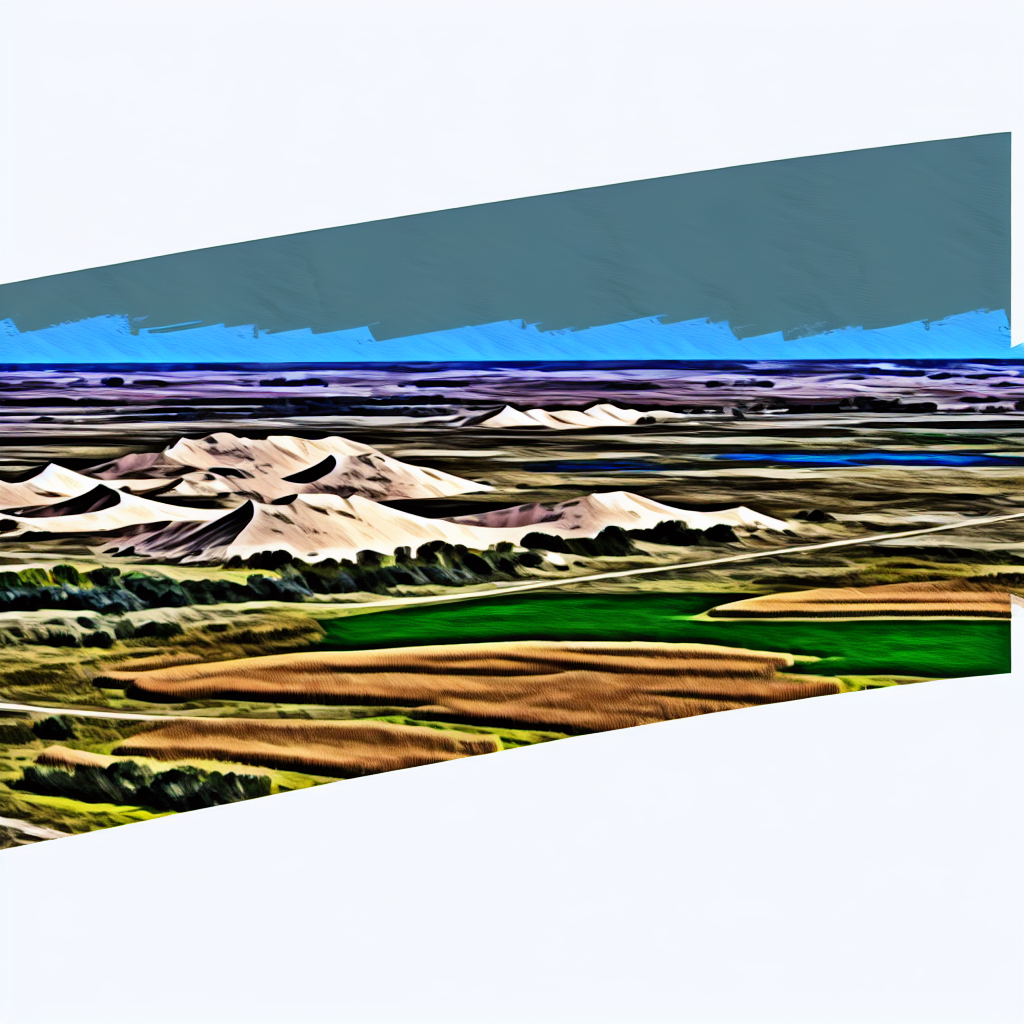
Nebraska’s role in the Great Plains is profound and multifaceted, anchoring both its rich historical narrative and significant environmental contributions. As the heartland of America, Nebraska not only shapes the agricultural backbone of the region but also plays a crucial part in preserving the unique ecology that defines the Great Plains. The state’s diverse landscapes, from the thriving farmlands to its vital wetlands, showcase its environmental significance, particularly as habitats for migratory birds and other wildlife. Additionally, Nebraska’s efforts in conservation and sustainable agricultural practices highlight its commitment to preserving ecological balance while fostering economic growth. Understanding Nebraska’s role in the Great Plains is essential to appreciating the interplay of agriculture, ecology, and history that continues to evolve in this vital region.
The importance of Nebraska within the vast expanse of the Great Plains cannot be overstated, as it represents a convergence of cultural heritage and ecological vitality. Known for its agricultural prowess, Nebraska has historically served as a crucial area for farming and ranching, shaping not only local but national food systems. Furthermore, the interaction between its historical narratives and ongoing environmental stewardship highlights Nebraska’s pivotal position in sustaining the ecology of the Great Plains. The state’s commitment to conservation efforts and sustainable practices illustrates a dedication to preserving its natural landscapes while fostering agricultural innovation. By exploring Nebraska’s place in the broader context of the Great Plains, we gain valuable insights into its environmental and historical significance.
Nebraska’s Historical Contributions to the Great Plains
Nebraska’s historical landscape is deeply intertwined with the narrative of the Great Plains. The mid-19th century brought a wave of European settlers into the region, driven by the prospect of land ownership and agricultural advancement, spurred by the passing of the Homestead Act in 1862. This transformation was monumental; settlers began to implement farming techniques that would change the environment of Nebraska and the Great Plains. Agriculture quickly became the backbone of Nebraska’s economy, with crops like corn and wheat dominating the landscape. As these agricultural practices evolved, they shaped the socio-economic framework of not only Nebraska but also the broader Great Plains region.
The impact of these historical developments is evident today. As Nebraska became a hub for agricultural innovation, the actions of these early settlers set the stage for the state’s position in modern agriculture. The intricate balance between farming and environmental stewardship has origins rooted in this historical context. Understanding the evolution of these practices sheds light on the great cultural and ecological journey Nebraska has undergone, emphasizing its critical role in the Great Plains history.
The Environmental Significance of Nebraska’s Ecosystems
Nebraska’s diverse ecosystems, ranging from the lush prairies to the unique Sand Hills, play a vital role in the environmental framework of the Great Plains. The state houses an array of wildlife and plant species, many of which rely on habitats that must be preserved for ecological balance. A prime example is the Rainwater Basin, an invaluable wetland area that serves as a crucial habitat for migratory birds in the Central Flyway. The environmental significance of these ecosystems stretches beyond mere aesthetics; they are integral to the health of the Great Plains, supporting biodiversity and serving necessary ecological functions.
Nebraska’s Sand Hills region, featuring vast grass-stabilized sand dunes, exemplifies the state’s ecological value. As one of the largest sand dune regions in the world, it plays a critical role in both agriculture and environmental health. These dunes are not only picturesque but act as a guardian of the aquifer systems that provide essential groundwater for irrigation and drinking water. The ecological framework created by Nebraska’s varied landscapes highlights its importance in maintaining the environmental integrity of the Great Plains.
Evolution of Agricultural Practices in Nebraska
The agricultural landscape of Nebraska has undergone significant evolution since the time of early settlers, who initially embraced simple farming techniques to sustain their families. As the years progressed, the agricultural practices in Nebraska became increasingly sophisticated. Farmers began adopting innovative techniques such as crop rotation and cover cropping to enhance soil health and preserve the environment. These practices have enabled Nebraska to emerge as a leader in sustainable agriculture, reflecting a growing awareness of the need for environmental conservation alongside agricultural productivity.
Today, Nebraska’s commitment to sustainable agricultural practices is evident through the implementation of precision agriculture technologies and soil conservation methods. Farmers actively engage in partnerships with organizations that foster development towards sustainable land use practices. This evolution not only ensures continued economic viability but also promotes the preservation of Nebraska’s rich ecological settings, reinforcing the state’s critical role in the agricultural dynamics of the Great Plains.
Addressing Climate and Environmental Challenges in Nebraska
The landscape of Nebraska faces numerous environmental challenges, primarily due to shifts in climate, such as increasing frequency of droughts and heavy rainfalls. These fluctuations have a direct impact on agricultural productivity and the ecological balance within the Great Plains. Farmers must navigate unpredictable weather patterns, requiring them to adapt their farming practices and focus on resilience strategies to combat the effects of climate change. This ongoing adaptation is crucial for maintaining the health of both agricultural lands and natural ecosystems.
Moreover, historical land use has significantly contributed to soil erosion and the decline of native prairie ecosystems in Nebraska. Recognizing these challenges, state and local conservation efforts have intensified. Restoration initiatives focus on revitalizing native landscapes, utilizing indigenous plants, and employing sustainable practices to protect the land. These efforts not only address immediate environmental concerns but also aim to restore the ecological integrity of Nebraska’s Great Plains, ensuring its future sustainability.
The Role of Conservation in Nebraska’s Environmental Narrative
Conservation efforts in Nebraska have gained momentum over the years, highlighting the importance of protecting the state’s natural heritage within the Great Plains. Local communities and organizations actively engage in various initiatives designed to preserve wildlife habitats and restore ecosystems. These efforts encompass the establishment of wildlife reserves and educational programs aimed at fostering environmental stewardship. Notable conservation projects focus on protecting wetlands and grasslands, which are vital for biodiversity and ecological stability.
Initiatives such as the Nebraska National Forest and the Fort Niobrara National Wildlife Refuge reflect a commitment toward safeguarding Nebraska’s rich ecological resources. These protected spaces serve as vital refuges for numerous species and are integral to the state’s environmental concord. The ongoing conservation endeavors in Nebraska exemplify the union of historical significance and modern ecological responsibility, ensuring that future generations can appreciate and understand the intricate relationship between human activity and the natural world in the Great Plains.
Frequently Asked Questions
What is Nebraska’s historical significance in the Great Plains?
Nebraska’s historical significance in the Great Plains is rooted in its early Native American heritage, with tribes such as the Pawnee and Omaha sustainably utilizing the land. The mid-19th century influx of European settlers transformed Nebraska’s economy through agriculture introduced by the Homestead Act in 1862, making farming and ranching central to its development.
How does Nebraska contribute to the ecological balance of the Great Plains?
Nebraska contributes to the ecological balance of the Great Plains through diverse ecosystems like the Rainwater Basin, crucial for migratory birds, and the Sand Hills, which support unique wildlife and aquifers. These areas highlight Nebraska’s environmental significance in maintaining biodiversity and ecological health.
What role does Nebraska agriculture play in the Great Plains economy?
Nebraska agriculture is integral to the Great Plains economy, producing substantial crops such as corn and soybeans, along with cattle ranching. The state’s emphasis on sustainable agricultural practices ensures economic viability while protecting its environmental resources, showcasing Nebraska’s leadership in Great Plains agriculture.
What conservation efforts are being implemented in Nebraska to protect the Great Plains?
Conservation efforts in Nebraska include the establishment of wildlife reserves like the Nebraska National Forest and community initiatives focused on restoring habitats and ecosystems. Programs by the Nebraska Natural Resources Conservation Service promote sustainable land use, ensuring the state’s ecological integrity while benefiting the Great Plains.
How is climate change affecting Nebraska’s role in the Great Plains ecosystem?
Climate change is impacting Nebraska’s role in the Great Plains by causing droughts and floods that challenge agricultural practices and threaten native ecosystems. Farmers are adopting resilient practices to adapt to these climate shifts, emphasizing Nebraska’s critical position in promoting sustainability in the face of environmental challenges.
| Key Point | Details |
|---|---|
| Historical Context | Before European settlement, Native American tribes thrived in Nebraska. Post-settlement, agriculture became crucial, especially after the Homestead Act of 1862. |
| Environmental Significance | Nebraska hosts diverse ecosystems, such as the Rainwater Basin, important for migratory birds, and the Sand Hills, vital for agriculture and groundwater recharge. |
| Agricultural Practices | Innovative agricultural practices are employed to maintain sustainability, including crop rotation and precision agriculture. |
| Climate Challenges | The state’s agriculture faces climate change impacts, leading to droughts and floods, requiring adaptive farming strategies. |
| Conservation Efforts | Local communities and organizations work on habitat preservation and restoration initiatives to protect Nebraska’s ecosystems. |
| Educational Role | Institutions like the University of Nebraska-Lincoln promote research and education focused on agriculture and conservation. |
Summary
Nebraska’s role in the Great Plains encompasses a significant historical and environmental narrative. In the mid-19th century, the arrival of European settlers drastically altered the landscape, leading to the establishment of agriculture as a cornerstone of Nebraska’s economy, particularly post the Homestead Act of 1862. As the state developed, its unique ecosystems like the Rainwater Basin and the Sand Hills began to be recognized for their ecological importance. Over the years, Nebraska has worked to adapt its agricultural practices to tackle climate challenges while prioritizing sustainability. Conservation initiatives and education have gained traction, highlighting the state’s commitment to preserving its natural heritage. In summary, Nebraska’s journey through history illustrates its pivotal role in the Great Plains, reminding us of the necessity for environmental stewardship and sustainable practices.