
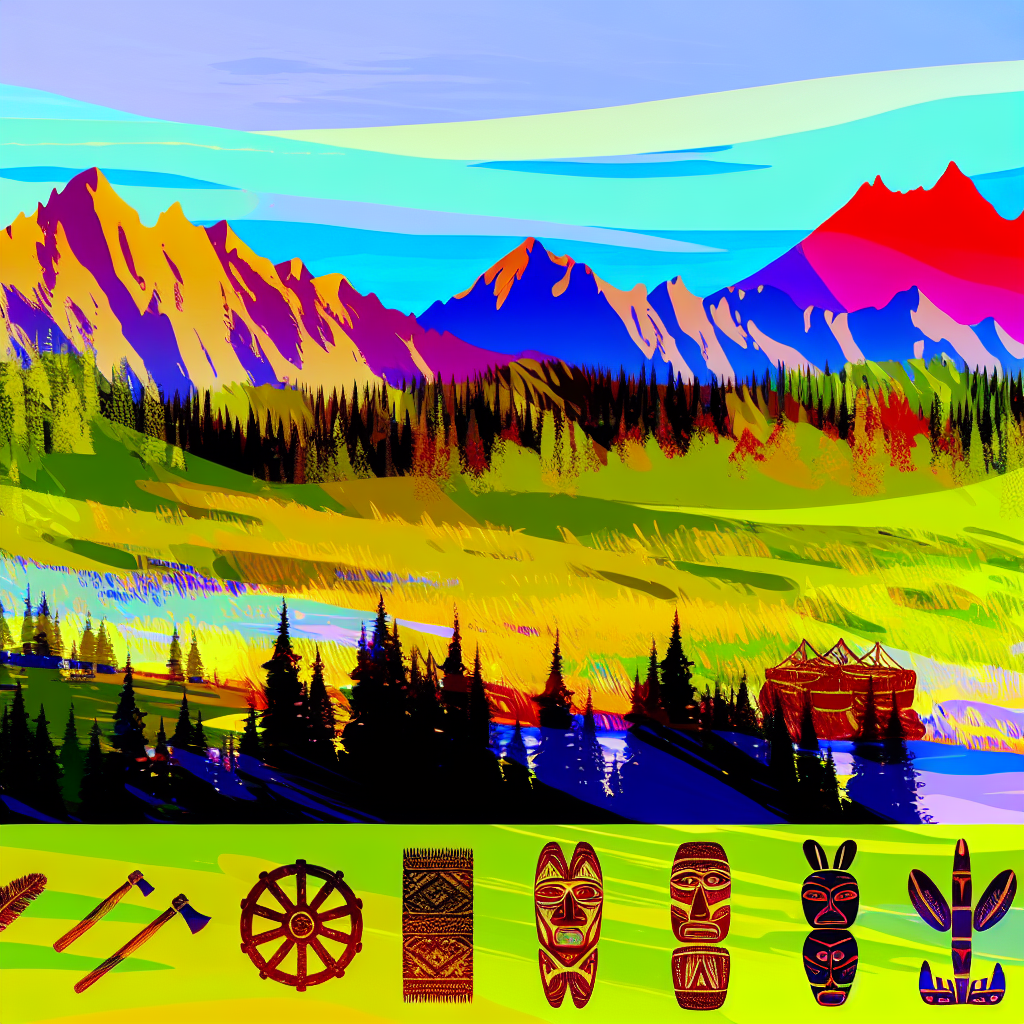
The Rich History of Alaska is a captivating tapestry woven from the experiences of its indigenous peoples and the significant milestones of European exploration and American expansion. Long before the Gold Rush, the land was inhabited by diverse cultures such as the Inuit and Tlingit, who thrived in harmony with nature. With the Alaska Purchase in 1867, the United States acquired this vast territory, paving the way for monumental changes, including the transformative Gold Rush of 1896. This era attracted thousands of hopeful miners, forever altering the landscape, economy, and demographics of Alaska. As the state moved towards its eventual statehood in 1959, these historical events shaped Alaska into the fascinating state we know today.
The intriguing legacy of Alaska unfolds through its chronicle of exploration, settlement, and cultural evolution. From the early inhabitants, representing the indigenous cultures, to the commercial excitement generated by the Gold Rush, the narrative of this remarkable territory is rich and layered. Following the United States’ acquisition of this expansive land in the late 19th century, transformative developments began to shape its identity. The rush for gold created booming towns and opportunities, while the path to statehood reflected the aspirations of the Alaskan populace. The combination of these historical threads illustrates not just a land, but a people striving for recognition and self-determination.
The Indigenous Peoples of Alaska: A Foundation of Culture
Long before the first Europeans set foot in Alaska, the land was inhabited by its first peoples: the indigenous tribes including the Inuit, Aleut, and Tlingit. These diverse cultures were intricately connected to the natural environment, relying on the rich resources available for their survival. Their social structures were complex, involving cooperative hunting and gathering practices, which were vital to their sustenance. Traditional practices, language, and spirituality played significant roles in their lives, creating a tapestry of cultural significance that laid the groundwork for Alaska’s rich history.
The legacy of the indigenous peoples of Alaska continues to influence the modern state today. These cultures are celebrated and preserved through various initiatives and institutions aiming to educate both residents and visitors about Alaska’s first inhabitants. Events and festivals showcase traditional music, dance, and crafts, ensuring that their stories, beliefs, and contributions to the land are not forgotten. This foundation, based on a harmonious relationship with nature, remains a crucial aspect of Alaska’s identity.
European Exploration: The Prelude to Change
The arrival of European explorers in the 18th century marked a significant turning point in Alaska’s history. Pioneers like Vitus Bering navigated the treacherous waters surrounding the state, initiating a period of claim and exploitation of resources. This era not only transformed the natural landscape through logging and fur trading but also introduced foreign diseases to the indigenous populations, drastically affecting their numbers and cultural practices. As Bering and others laid claim to Alaska, the impact of European exploration began to take root, setting the stage for colonization.
Following Bering’s expeditions, the Russian Empire expanded its influence, establishing Russian America as a vital source of fur trade. This led to the introduction of Russian Orthodox Christianity among native tribes, altering spiritual beliefs and local customs. Although the Russian presence eventually waned due to resource depletion, the transition from indigenous autonomy to European control was an essential chapter in Alaska’s evolving identity. These shifting dynamics would ultimately lead to significant social and economic changes within the territory.
The U.S. Purchase of Alaska: A Transformative Deal
In 1867, the United States conducted a landmark transaction, purchasing Alaska from Russia for a mere $7.2 million—an event often dismissed as ‘Seward’s Folly’ due to initial skepticism regarding its value. Critics believed that the vast expanse was barren and devoid of resources. However, just a few years later, the discovery of gold would prove them wrong. The financial foresight of Secretary of State William H. Seward not only altered perceptions of Alaska but opened up a plethora of economic and strategic opportunities for the United States.
The acquisition of Alaska marked a pivotal shift in the region’s governance and its future. With new U.S. oversight, infrastructure began to take shape, enabling communications and connections with the mainland. The purchase also symbolized an expansionist vision that would play a central role in American history. As settlers began to flock to Alaska, it became clear that this remote territory held untapped potential that would soon be harnessed, eventually leading to the Gold Rush and further development.
The Klondike Gold Rush: A Surge of Change
The discovery of gold in the Klondike region in 1896 ignited one of the most frenzied periods of migration and settlement in Alaska’s history. Thousands of hopeful prospectors embarked on treacherous journeys, braving harsh conditions in pursuit of wealth. The rush not only transformed Alaska’s demographics, introducing a diverse mix of cultures and nationalities, but also spurred rapid development in infrastructure. Towns like Nome and Fairbanks emerged almost overnight, as the lure of gold attracted dreamers and opportunists alike, feeding the growing economy of the territory.
As the Gold Rush progressed, the effects resonated throughout the region and beyond. While it created a rush of wealth, it also resulted in environmental impacts and changes to local economies that traditionally depended on sustainable practices. The influx of people brought both opportunities and challenges, including strained resources and conflicts with indigenous communities. This era illustrated how a single discovery could reshape not only the landscape but the entire cultural and social fabric of Alaska.
Alaska’s Path to Statehood: Achieving Governance and Recognition
Despite its strategic importance and burgeoning population, Alaska’s journey to statehood was fraught with challenge. It wasn’t until the post-World War II era that Alaskans began to gain significant ground in their fight for representation and governance. The Alaska Statehood Movement emerged, fueled by grassroots advocacy and organizations that pushed for equitable rights and the recognition of Alaska as more than just a U.S. territory. Significant rallies and campaigns highlighted the need for statehood, emphasizing the contributions Alaskans made during the war on behalf of the nation.
On July 7, 1958, the U.S. Congress passed the Alaska Statehood Act, culminating in Alaska officially becoming the 49th state of the United States on January 3, 1959. This momentous occasion not only granted Alaskans autonomy over their affairs but also allowed for the preservation of their unique cultures and traditions. The movement for statehood represented a key moment in affirming the rights and identity of Alaskans, paving the way for future economic and social advancements that continue to influence the state today.
Frequently Asked Questions
What are the key events in the rich history of Alaska that led to its statehood?
The rich history of Alaska involves several key milestones, including the indigenous peoples’ settlement, European exploration, the Alaska purchase in 1867, and the transformative Klondike Gold Rush in 1896. These events culminated in Alaska achieving statehood on January 3, 1959, under the Alaska Statehood Act.
How did the Gold Rush impact the rich history of Alaska?
The Gold Rush significantly altered the rich history of Alaska by attracting thousands of prospectors, leading to a population boom and infrastructure development. Towns like Fairbanks and Nome emerged, contributing to Alaska’s economic growth and diversity, establishing a vibrant community and setting the stage for its future.
What was the significance of the Alaska purchase in shaping Alaska’s history?
The Alaska purchase in 1867, when the U.S. acquired the territory from Russia for $7.2 million, marked a turning point in Alaska’s history. Initially criticized as ‘Seward’s Folly,’ this acquisition later proved vital when the Gold Rush revealed Alaska’s wealth, leading to increased migration and economic development.
What role did the indigenous peoples of Alaska play in the state’s rich history?
The indigenous peoples of Alaska, including the Inuit, Aleut, and Tlingit, form the foundation of Alaska’s rich history. Their cultures, social structures, and sustainable practices provide a vital context to the state’s development, influencing modern Alaskan identity and cultural heritage that persists today.
How did World War II influence Alaska’s history and development?
World War II had a profound impact on Alaska’s history, highlighting its strategic significance in military operations. The conflict stimulated infrastructure growth, including roads and airstrips, and opened new economic opportunities, solidifying Alaska’s role as a critical location in national defense and paving the way for post-war development.
| Key Events | Date | Significance |
|---|---|---|
| Indigenous Peoples of Alaska | Before European contact | Foundation of diverse cultures and traditions related to nature. |
| European Exploration and Russian Colonization | 18th Century | Initiation of European influence and fur trade, leading to Russian control. |
| United States Purchase of Alaska | 1867 | Acquisition of Alaska for $7.2 million, viewed as a folly at first. |
| Gold Rush Era | 1896 | Mass migration and economic transformation due to gold discovery. |
| World War II Impact | 1941-1945 | Military significance led to infrastructure development and an economic boom. |
| Path to Statehood | 1958-1959 | Alaska becomes the 49th state on January 3, 1959, after a long fight for self-governance. |
| Modern Alaska and Cultural Legacy | Present Day | Economic growth through tourism and resource management respecting indigenous heritage. |
Summary
The Rich History of Alaska unfolds in a series of remarkable events that trace the state’s evolution from indigenous cultures to its current status as a significant part of the United States. Initially home to rich indigenous traditions, Alaska’s story transformed with European exploration in the 18th century leading to Russian colonization. In 1867, Seward’s purchase marked a pivotal change, valued more after gold was discovered during the Klondike Gold Rush in 1896, which brought thousands seeking fortune. This change also initiated rapid population growth and infrastructure development. During World War II, Alaska’s strategic importance was highlighted, propelling further growth. Eventually, significant advocacy led to Alaska achieving statehood on January 3, 1959. Today, with a blend of cultural heritage and modernization, Alaska is a testament to resilience, celebrating its unique history while facing contemporary challenges.