
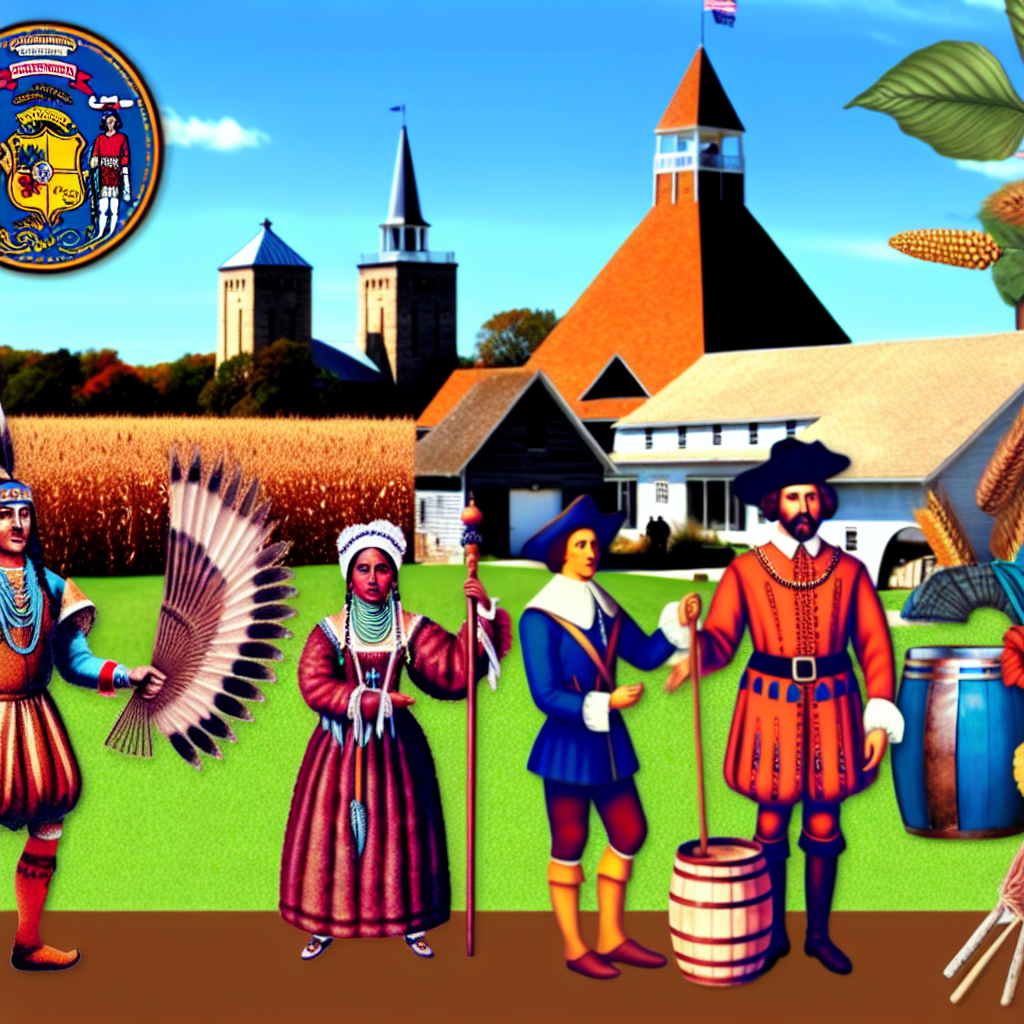
Wisconsin history is a tapestry of cultural and historical influences that have shaped the state from its earliest days. Long before European settlers arrived, Wisconsin was home to diverse Native American cultures, each with its unique traditions and social structures. With the dawn of European exploration in the 17th century, this flourishing Native American heritage had to adapt to new challenges and opportunities, leading to significant changes in the region’s economic activities, particularly in agriculture and trade. Wisconsin gained statehood in 1848, marking the beginning of an era of industrial development that transformed its landscape and economy. Today, the interplay of Wisconsin’s Native American past, state history, and modern culture paints a vivid picture of resilience and evolution.
The historical narrative of Wisconsin unfolds through a spectrum of events and cultures that have influenced its development. This region of the United States, renowned for its varied landscapes and agricultural prowess, has roots that trace back to its Indigenous peoples. Following the arrival of European explorers, Wisconsin became a focal point of trade and settlement, setting the stage for its eventual acceptance as a state. The sweeping changes brought by industrial growth and the influx of immigrants led to a dynamic and diverse modern Wisconsin culture that celebrates its rich traditions and ongoing innovations. By exploring the evolution of such a vibrant state, we gain insight into how historical forces continue to shape contemporary life in Wisconsin.
The Early Days of Wisconsin Native American Culture
Before European settlers arrived, Wisconsin was home to diverse Native American tribes, including the Ojibwe, Potawatomi, and Menominee. These tribes established intricate societies with complex trade networks, relying on the region’s rich resources. They practiced sustainable agriculture, growing the ‘Three Sisters’—maize, beans, and squash—and utilized the abundant waterways for fishing and transportation. Their cultural practices, spirituality, and social structures were deeply entwined with the land, marking centuries of rich heritage prior to European exploration.
Exploration by Europeans did not erase the influences of Native American culture. Instead, it was the beginning of significant interactions, where tribal knowledge and the European thirst for new resources intertwined. The survival techniques, agricultural methods, and social systems of Native Americans had lasting impacts on the settlers who came after them, as many adapted local practices. This rich tapestry of human interaction laid the groundwork for the cultural identity that Wisconsin would develop in the centuries to follow.
European Exploration and Settlement in Wisconsin
The arrival of European explorers in the 17th century marked a significant turning point in Wisconsin’s history. Led by figures such as Jacques Marquette and Louis Jolliet, the French ventured into the region, navigating rivers and mapping uncharted territories. Their interactions with Native American tribes initiated a period of cultural exchange that influenced both groups profoundly. The fur trade emerged as a vital economic driver, with French traders establishing partnerships with indigenous people, leading to the establishment of trading posts that shaped early colonial life in Wisconsin.
As the 18th century progressed, the promise of natural resources drew more settlers to the land. The fur trade became a bustling economy that paved the way for further exploration and eventual settlement. Construction of roadways and waterways aided in the movement of people and goods. By intermingling their traditions with the existing cultures, the European settlers contributed to the dynamic identity of Wisconsin, setting the stage for its later industrial and agricultural advancements.
Wisconsin’s Path to Statehood and Agricultural Development
Wisconsin achieved statehood on May 29, 1848, becoming the 30th state in the Union. This milestone was a culmination of growth driven by its rich resources and emerging agricultural infrastructure. As waves of immigrants arrived, particularly from Northern Europe, they brought their farming techniques and traditions with them. This influx played a pivotal role in establishing Wisconsin as a major agricultural powerhouse, particularly in dairy production, enabling the state to gain its reputation as the ‘Dairy Capital of the United States.’
The development of the agricultural sector not only fueled economic growth but also stabilized communities across Wisconsin. The fertile land and favorable climate conditions were instrumental in sustaining farming families, supporting local economies, and establishing a strong dairy industry. Community-organized fairs and festivals celebrating harvests became integral, fostering a sense of belonging among diverse groups, which demonstrated the blending of cultures and traditions contributing to Wisconsin’s identity.
Industrial Growth and Milwaukee’s Brewing Heritage
By the late 19th and early 20th centuries, industrial growth transformed Wisconsin’s economy from primarily agricultural to a blend of agriculture and manufacturing. Cities such as Milwaukee became known for their thriving industries, especially brewing, which was heavily influenced by German immigrants. Brewers like Miller and Pabst heralded the craft of beer production, leading Milwaukee to earn the nickname ‘Brew City.’ This success was not only a local economic boon but also a cultural hallmark, influencing social gatherings and community identity.
The brewing industry’s growth was accompanied by a diversification of manufacturing sectors in Wisconsin. Factories emerged across the state, producing goods from machinery to textiles, and creating job opportunities that transformed the workforce. This industrialization led to urban migration, and Wisconsin’s cities became melting pots of culture as diverse groups settled in search of new opportunities. The legacies of these industries remain visible today, as they continue to play a significant role in Wisconsin’s modern economy and cultural landscape.
Modern Wisconsin Culture: A Celebration of Diversity and Heritage
Today, Wisconsin stands as a cultural mosaic that reflects its rich history and diverse population. Native American influences persist, as tribes such as the Oneida and St. Croix Chippewa share their heritage through festivals and educational initiatives. This ongoing celebration of tradition fosters community awareness and pride, allowing residents and visitors alike to appreciate the depth of Wisconsin’s cultural roots while engaging with its evolving identity.
Moreover, Wisconsin’s modern cultural scene thrives in the arts, with vibrant galleries, music festivals, and theater productions showcasing both local talent and global artistry. Institutions like the Milwaukee Art Museum and community programs contribute to a dynamic creative environment, highlighting how Wisconsin honors its past while embracing contemporary advancements. This legacy of blending old and new reflects the state’s resilience, as it continuously adapts while staying true to its historical essence.
Frequently Asked Questions
What is the significance of Wisconsin Native American culture in the state’s history?
Wisconsin Native American culture is foundational to the state’s history, with tribes like the Ojibwe and Menominee shaping the region long before European contact. Their sustainable agricultural practices, diverse languages, and trade networks significantly contributed to Wisconsin’s early social and economic structure.
How did European exploration influence Wisconsin state history?
European exploration, particularly by French explorers like Jacques Marquette and Louis Jolliet in the 17th century, significantly influenced Wisconsin state history. Their mapping of the Fox River facilitated further European settlement and the establishment of trade relations with Native Americans, laying groundwork for future economic growth.
When did Wisconsin achieve statehood and what was its impact on agriculture?
Wisconsin achieved statehood on May 29, 1848, which marked a pivotal moment in its agriculture-driven economy. The fertile soil and favorable climate made Wisconsin a leader in dairy production, earning it the nickname ‘Dairy Capital of the United States’ as farmers embraced innovative agricultural methods.
What role did industrial development play in Wisconsin’s modern culture?
Industrial development played a crucial role in shaping modern Wisconsin culture, particularly in cities like Milwaukee, known for its brewing industry. Major breweries flourished, and the manufacturing sector expanded, leading to urban growth and a diverse workforce that enriched the state’s cultural landscape.
How does Wisconsin’s state history continue to influence its modern communities?
Wisconsin’s state history influences modern communities through a blend of Native American traditions and immigrant cultures. Festivals celebrating local heritage, a vibrant arts scene, and preservation efforts for historical sites reflect the state’s commitment to honoring its rich history while fostering community engagement.
| Historical Era | Key Points |
|---|---|
| Native American Roots | Inhabited by tribes such as Ojibwe, Ottawa, Potawatomi, and Menominee; sustainable agriculture and trade routes established. |
| European Exploration | 17th-century French explorers, like Marquette and Jolliet, mapped the region; fur trade became vital. |
| Statehood and Growth | Admitted as the 30th state in 1848; prosperous due to agriculture and the lumber industry; immigrant influx. |
| Industrial Development | 20th-century industrial growth in brewing and manufacturing, leading to urbanization and a diverse workforce. |
| Modern Wisconsin | Cultural mosaic with festivals that celebrate history; robust arts scene; preservation of Native American heritage. |
Summary
Wisconsin history spans from ancient Native American cultures to its present-day cultural mosaic. Beginning with diverse tribes such as the Ojibwe and Potawatomi, who thrived long before European contact, the state has undergone significant transformations. In the 17th century, European adventurers like Marquette and Jolliet explored the area, laying the groundwork for extensive fur trading relationships. By 1848, Wisconsin achieved statehood, leveraging its natural resources, leading to booming industries centered around lumber and dairy farming. As the 20th century dawned, industrial expansion marked a shift to urban living, ushering in a rich diversity of cultures. Today, Wisconsin stands proud of its complex heritage, blending historical roots with vibrant modern-day practices, affirming its unique place in American history.