
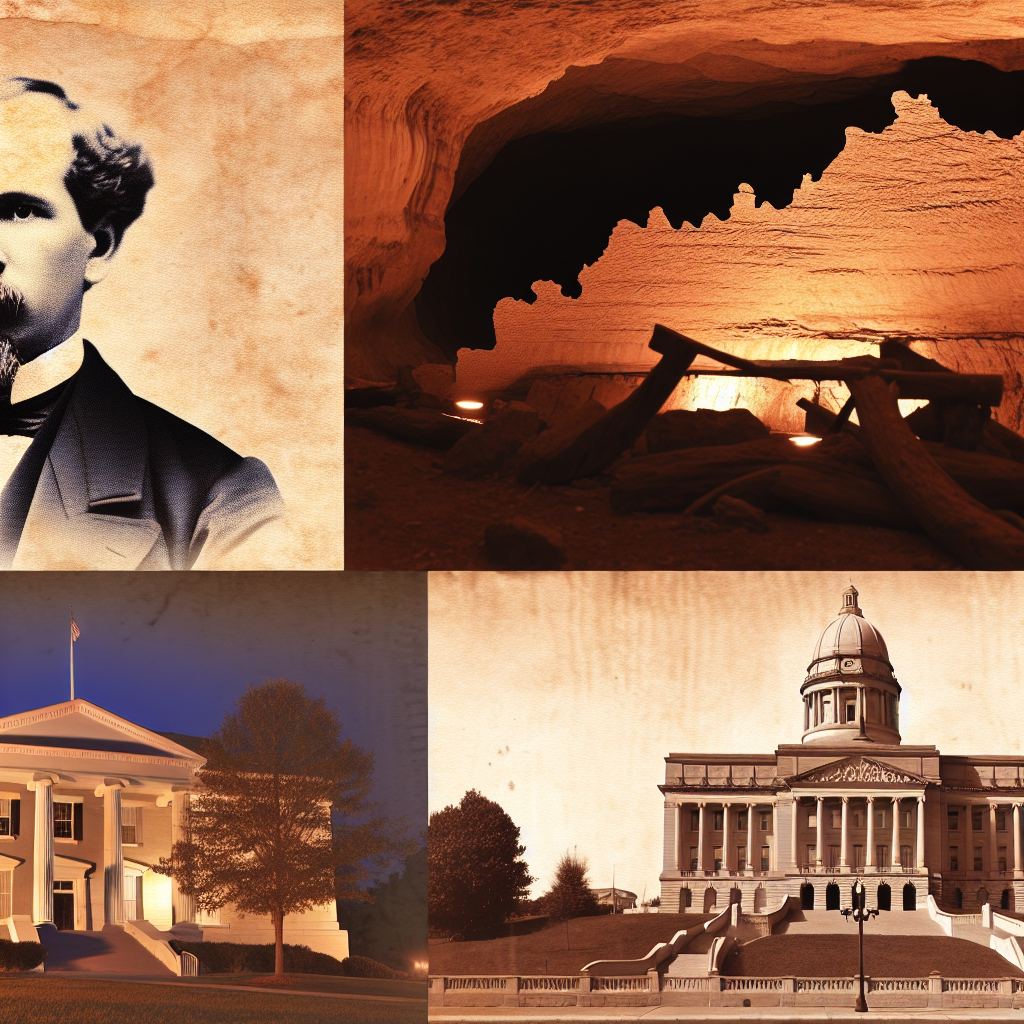
Kentucky historical sites offer an incredible journey through the Commonwealth’s past, showcasing its rich tapestry from the days of early settlers to pivotal moments in the Civil War. Notable landmarks, such as the birthplace of Abraham Lincoln and the Kentucky State Capitol, provide deep insights into Kentucky’s history and its influential figures. Visitors can dive into the natural wonders at Mammoth Cave, which serves as both a geological marvel and a historical landmark tied to significant events, including the War of 1812. Renowned Civil War sites in Kentucky, like the Perryville Battlefield, allow history enthusiasts to explore the legacy of conflict fought within its borders. Join us as we uncover these historical tours in Kentucky, where every site tells a story waiting to be discovered.
Exploring sites of historical significance in Kentucky unveils the profound stories of this intriguing region. From the dramatic landscapes of Mammoth Cave history to the bustling halls of the Muhammad Ali Center, each location reflects the cultural and historical essence of Kentucky. As we navigate through key landmarks such as Fort Knox and the Old State House, we’ll uncover the complex narratives that shape Kentucky’s identity. These historical sites not only honor famous personalities like Abraham Lincoln but also serve as reminders of the Commonwealth’s vital role during landmark events. Engaging with Kentucky’s heritage through these historical landmarks enriches our understanding of American history.
Exploring Kentucky’s Civil War History
Kentucky played a complex role during the Civil War, and one of the best places to witness this rich history is at the Perryville Battlefield State Historic Site. Recognized as the site of a significant battle on October 8, 1862, Perryville serves as a reminder of the state’s involvement in the conflict. Visitors can walk the trails where soldiers once marched and learn about the strategies that shaped the battle’s outcome. Additionally, the visitor center features insightful exhibits chronicling the broader scope of the Civil War in Kentucky, including personal stories from soldiers and civilians alike.
Another prominent Civil War site in Kentucky is the Camp Nelson Historic Landmark, which served as a recruitment center and a refuge for African American soldiers and their families. Established in 1863, Camp Nelson was key in supporting the Union’s efforts while also being a significant place in the fight for emancipation. Today, the park hosts educational programs and living history events that engage visitors in the narratives of those who lived during this tumultuous time, making it a must-visit for anyone looking to understand Kentucky’s layered history.
The Rich Heritage of Kentucky Landmarks
A key aspect of Kentucky’s appeal is its remarkable landmarks that tell stories of the past. The Kentucky State Capitol, located in Frankfort, stands as a testament to the state’s governance and architecture. Completed in 1910, this striking building showcases a blend of classical and modern design and houses several art pieces reflecting Kentucky’s cultural identity. A guided tour of the Capitol offers insights into the legislative processes and historical figures who have influenced the state’s laws, providing a profound connection to Kentucky’s heritage.
Similarly, the Muhammad Ali Center in Louisville immortalizes the legacy of the boxing icon and humanitarian, Muhammad Ali. This cultural hub delves into Ali’s impact on sports and civil rights, highlighting his commitment to various social justice initiatives. The exhibits not only celebrate his life but also foster discussions on respect and equality, making the center a contemporary landmark that bridges Kentucky’s historical legacy with its ongoing fight for social progress.
The Historical Significance of Mammoth Cave
Mammoth Cave National Park, a UNESCO World Heritage Site, is not only a natural wonder but also a site of historical importance. With its extensive cave system stretching over 400 miles, Mammoth Cave contains evidence of early indigenous peoples who utilized its resources. The cave has also seen significant events throughout American history, including its role during the War of 1812 when it was used to produce saltpeter for gunpowder. Today, guided tours allow visitors to explore this subterranean marvel while learning about its extensive past and ecological significance.
In addition to its historical uses, Mammoth Cave also played a role during both World Wars, functioning as a hospital and a site for military training. This layered history offers visitors a unique perspective on how natural landscapes can intertwine with human events. The visitor center provides intriguing exhibits on the cave’s geological formation and its significance to both local and national histories, making it a valuable educational experience for all.
Historical Tours in Kentucky: A Journey Through Time
When it comes to exploring Kentucky’s rich history, guided historical tours are an excellent way to uncover the stories of landmark sites. Various companies offer tours that encompass key locations like the Abraham Lincoln Birthplace, Mammoth Cave, and the Kentucky Horse Park. These tours not only provide transportation but also engage visitors with knowledgeable guides who share the historical contexts and personal anecdotes of the areas being visited. They allow tourists to immerse themselves fully in Kentucky’s past while connecting the dots between significant events and figures.
Additionally, specialized tours focusing on different aspects of Kentucky’s history exist, such as those centered on the Civil War or the state’s contributions to bourbon production. These themed tours cater to diverse interests, ensuring there’s something for everyone. Whether it’s learning about local heroes, exploring battlefields, or experiencing the craft of bourbon making, these historical tours are a fantastic way to delve deeper into Kentucky’s heritage.
The Legacy of Kentucky’s Historic Figures
Kentucky’s history is deeply intertwined with influential figures who have shaped both the state and the nation. Among the most notable is Henry Clay, a prominent politician from the 19th century whose estate, Ashland, can be visited today. Tours of Ashland showcase Clay’s contributions as a statesman and provide context for his pivotal role in various national debates including slavery and economic policy. The estate itself, with its beautifully preserved architecture and gardens, allows visitors to step into the life of one of America’s founding politicians.
Moreover, sites dedicated to notable individuals like Muhammad Ali serve to educate visitors about their legacies. The Muhammad Ali Center not only highlights Ali’s accomplishments in the boxing ring but also emphasizes his commitment to humanitarian causes. By providing interactive exhibits, the center ensures that Ali’s message of respect and equality continues to inspire future generations. As visitors explore Kentucky, they encounter the lasting impacts of such historical figures, deepening their understanding of the state’s place in American history.
Frequently Asked Questions
What are some must-visit Kentucky historical sites related to the Civil War?
Kentucky boasts several significant Civil War sites, including the **Perryville Battlefield State Historic Site**, which commemorates the Battle of Perryville fought in 1862. Additionally, **Mill Springs Battlefield** and **Camp Nelson** are essential stops for those interested in exploring Kentucky’s Civil War history, featuring insightful visitor centers and reenactments that bring the past to life.
How does Mammoth Cave reflect Kentucky’s history?
Mammoth Cave is not only a natural wonder but also a pivotal part of Kentucky’s history. Designated a UNESCO World Heritage Site, it served various roles throughout its history, including a saltpeter mining site during the War of 1812 and both World Wars. Exploring Mammoth Cave connects visitors to over 6,000 years of cultural history, offering guided tours that detail both its natural formations and its historical significance.
What is the significance of the Birthplace of Abraham Lincoln in Kentucky?
The **Abraham Lincoln Birthplace National Historical Park** in Hodgenville is one of the most significant Kentucky historical sites, marking the birthplace of the 16th President of the USA. This site includes a visitor center with artifacts from Lincoln’s early life and a memorial that houses a symbolic cabin, providing in-depth insight into Kentucky’s history and the early years of Lincoln’s life.
What can visitors expect to learn at the Kentucky State Capitol?
The **Kentucky State Capitol** in Frankfort is a key historical landmark featuring stunning architecture and rich history. Visitors can take guided tours that educate them about Kentucky’s legislative processes, the personal history of influential figures, and significant events that shaped the state, enhancing their understanding of Kentucky’s governance and historical evolution.
Where can I learn about Muhammad Ali’s impact on Kentucky’s culture and history?
The **Muhammad Ali Center** in Louisville is a cultural and historical site dedicated to the life and legacy of the famous boxer and civil rights activist Muhammad Ali. Through interactive exhibits and educational programs, visitors can explore Ali’s contributions to sports and social justice, illustrating Kentucky’s profound cultural influences through his remarkable journey.
| Historical Site | Significance | Location | Year Established |
|---|---|---|---|
| Abraham Lincoln Birthplace National Historical Park | Birthplace of President Abraham Lincoln; houses artifacts from his childhood. | Hodgenville, KY | 1809 |
| Mammoth Cave National Park | World’s longest cave system; rich indigenous and wartime history. | Near Brownsville, KY | 1981 (UNESCO World Heritage Site) |
| Kentucky State Capitol | Architectural landmark and seat of state government; reflects Kentucky’s culture. | Frankfort, KY | 1910 |
| Fort Knox | Famous military installation; historical site of U.S. Bullion Depository. | Fort Knox, KY | Established in 1936 |
| Muhammad Ali Center | Cultural center honoring Muhammad Ali; promotes social justice and activism. | Louisville, KY | Opened in 2005 |
| Perryville Battlefield | Civil War battlefield; hosts reenactments and exhibits about the war. | Perryville, KY | 1862 |
| Kentucky Horse Park | Celebrates horse racing heritage; features live exhibitions and museums. | Lexington, KY | Opened in 1972 |
| The Old State House | Historical museum showcasing the early legislative history of Kentucky. | Frankfort, KY | 1792 |
| Ashland, The Henry Clay Estate | Estate of Henry Clay; reflects political history of 19th century. | Lexington, KY | Built in 1806 |
Summary
Kentucky historical sites offer a profound insight into the state’s rich past, tracing back from early indigenous settlements to significant events like the Civil War. In 1809, the birthplace of Abraham Lincoln was marked in Hodgenville, leading to a national remembrance of the iconic president. Following decades, significant landmarks like Mammoth Cave emerged in 1981 as UNESCO World Heritage Sites, showcasing nature’s splendor and its cultural implications during times of war. The Kentucky State Capitol, completed in 1910, epitomizes architectural beauty while serving as a legislative hub. Fort Knox, established in 1936, gained recognition for its military history and national security significance. By the mid-20th century, the Muhammad Ali Center opened in 2005, reflecting modern values of social justice inspired by the famous boxer. Perryville Battlefield, where a historical Civil War battle occurred in 1862, adds depth to Kentucky’s historical narrative, while the Kentucky Horse Park celebrates the essential role horse racing plays in the state’s identity. The Old State House, built in 1792, served as the capitol before transitioning to a museum, and Ashland, established in 1806, illustrates the legacy of Henry Clay, a key figure in America’s political history. Overall, a journey through these sites collectively connects visitors to Kentucky’s deep-rooted heritage.