
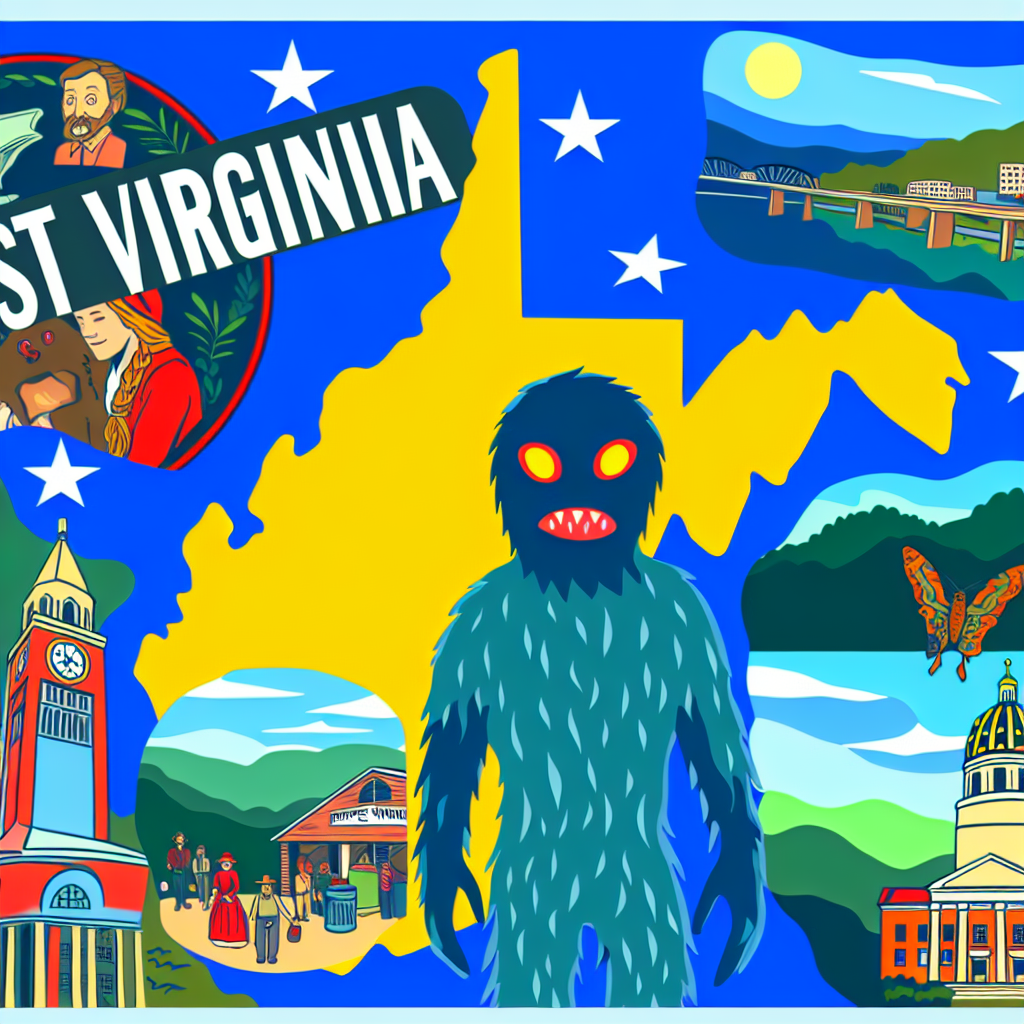
West Virginia history is a fascinating tapestry woven with the threads of cultural diversity, significant landmarks, and legendary tales. Nestled in the heart of the Appalachian Mountains, this state emerged as a beacon of resilience during the turbulent times of the Civil War, gaining statehood in 1863 amidst the ideological rift with Virginia. From the historic streets of Harpers Ferry, pivotal in the fight for freedom, to the haunting lore of the Mothman legend, West Virginia is steeped in narratives that echo through its breathtaking landscapes. Visitors eager to explore this rich legacy can discover numerous historical sites in West Virginia, each telling a unique story of struggle, determination, and triumph. The state’s vibrant Appalachian culture is reflected not only in its landmarks but also in the legends that continue to thrive, enticing travelers to uncover the mysteries of this remarkable region.
The historical narrative of this mountainous region intricately intertwines with its vivid cultural heritage and striking landmarks. West Virginia’s legacy captures a defining moment in American history, particularly during the Civil War period when it split from Virginia, forming its unique identity as the Mountain State. Beyond its documented events, the folklore surrounding the state, including local legends and iconic figures, paints a colorful picture of the Appalachian lifestyle and beliefs. With sites like Harpers Ferry serving as mirrors to the past, visitors can delve into the stories that shaped not just West Virginia, but the very fabric of American culture. From exploring old battlefields to uncovering ghostly tales, the history of this remarkable state remains alive and inviting for all who wish to discover its secrets.
The Civil War’s Impact on West Virginia History
The separation of West Virginia from Virginia during the American Civil War is a defining moment that shaped the state’s history. This discord stemmed from differing views on states’ rights and slavery, which drove the northern and southern regions of Virginia apart. West Virginia officially became a state in June 1863, representing a significant shift in allegiances during the tumultuous war. The realization of West Virginia’s statehood not only marked the culmination of political negotiations but also paved the way for new identities and communities within the region.
As the war raged on, West Virginia became a strategic battleground, with battles fought in multiple locations across the state. Key engagements, such as the Battle of Philippi and the Battle of Droop Mountain, demonstrated the fierce resistance of West Virginians and the complexities of loyalties in a divided state. This tumultuous period led to the establishment of various historical sites, where stories of courage and conflict still resonate today, informing visitors of the local sacrifices made during one of the nation’s most challenging periods.
Harpers Ferry: A Historic Landmark of Change
Harpers Ferry, a historic town located at the confluence of the Potomac and Shenandoah Rivers, serves as a remarkable landmark reflecting the turbulent history of the United States. Its early development as a vital transportation hub set the stage for significant historical events, including John Brown’s famed raid in 1859. This raid aimed to initiate an armed slave revolt by seizing the federal armory, symbolizing the height of tensions surrounding slavery in America. Today, Harpers Ferry National Historical Park preserves these events through museums and reenactments, allowing visitors to step back in time and witness the town’s integral role in the era’s upheaval.
The architectural charm and rich history of Harpers Ferry entice tourists year-round. Visitors can explore historical sites, such as the John Brown Wax Museum and the restored homes and shops that line its picturesque streets. Moreover, the town’s trestle bridges and stunning views of the rivers encapsulate the essence of both natural and human-made beauty, bridging the past with the present. Exploring Harpers Ferry not only provides an insight into Civil War history but also immerses visitors in a storied legacy of cultural resilience and transformation.
Exploring West Virginia’s Legends and Folklore
West Virginia is steeped in folklore that reveals the state’s rich cultural identity. Among the most fascinating stories is the Mothman legend, which emerged in the 1960s in Point Pleasant. Described as a winged creature with glowing red eyes, reports of sightings escalated and coincided with the tragic Silver Bridge collapse in 1967. This haunting tale has since inspired books, films, and an annual festival celebrating the Mothman’s lore, perpetuating the legend that intertwines with local history and the eerie ambiance of the Appalachian culture.
In addition to the Mothman, West Virginia boasts various haunted locations, such as the notorious Trans-Allegheny Lunatic Asylum. Once a bustling psychiatric hospital, it now attracts visitors with tales of ghost sightings and paranormal encounters. Ghost tours provide a glimpse into the asylum’s chilling past and the stories of former patients, contributing to the cultural fabric that honors both the bizarre and the historical. These legends not only captivate audiences but also forge a deeper connection between the state’s history and its contemporary identity.
Iconic Historical Sites in West Virginia
West Virginia’s historical landscape is marked by incredible sites that showcase the state’s diverse heritage. The State Capitol in Charleston stands as a monumental building reflecting the architectural prowess of the early 20th century. Visitors are encouraged to take guided tours, learning about the building’s significance as the heart of West Virginia’s government and its role in crafting the laws that govern state life. The Capitol’s ornate design, featuring golden domes and majestic interiors, highlights the commitment to preserving artistic expression alongside historical importance.
Another notable site is the Berean Baptist Church in Huntington, representing a critical aspect of the African American experience in West Virginia. The church hosts numerous cultural and community events aimed at preserving the legacy of African American history and influences within the state. Workshops, music performances, and celebrations of local heritage attract visitors and locals alike, presenting a vibrant narrative that honors the contributions of diverse communities throughout West Virginia’s past.
The Appalachian Trail: A Historical and Cultural Connection
Spanning 2,200 miles and passing through West Virginia, the Appalachian Trail maintains immense historical and cultural significance for the region. As it meanders through the stunning landscapes, it invites hikers not just to experience natural beauty but to engage with the history that has unfolded across these mountains. Various trail markers detail historical events and significant figures linked to the trail, allowing visitors to absorb both spectacular views and the stories embedded in the land.
Exploring the Appalachian Trail in West Virginia leads to breathtaking destinations like Blackwater Falls, renowned for its cascading waterfalls and vibrant foliage. Here, the beauty of nature intersects with local legends and historical narratives, creating a rich exploration experience. The trail serves as a reminder of the cultural and historical connections that exist within the Appalachian region, fostering a sense of community and continuity among those who traverse its paths.
Frequently Asked Questions
What are some key historical landmarks in West Virginia?
West Virginia is home to several significant historical landmarks, including Harpers Ferry, which played a crucial role during the Civil War and features the John Brown Wax Museum. Other notable sites include Seneca Rocks and the State Capitol in Charleston, each reflecting the state’s rich architectural and cultural heritage.
How did the Civil War influence West Virginia’s history?
The Civil War was pivotal in West Virginia’s history as the state separated from Virginia in 1861, primarily over issues such as states’ rights and slavery. This separation established West Virginia as the 35th state in the Union in 1863, creating a distinct identity rooted in its tumultuous beginnings.
What is the significance of the Mothman legend in West Virginia culture?
The Mothman legend, originating in Point Pleasant in 1966, has become an iconic part of West Virginia folklore. This mysterious creature is celebrated through annual festivals, books, and documentaries, symbolizing the state’s unique blend of Appalachian culture and mythology.
What role does Harpers Ferry play in American history?
Harpers Ferry is a historic town that served as a key strategic location during the Civil War. It is best known for John Brown’s raid in 1859, which aimed to initiate a slave revolt. Today, it is a national historical park that preserves important memorabilia and buildings from this era.
How does the Appalachian Trail connect to West Virginia’s history?
The Appalachian Trail runs through West Virginia and serves as a historical backbone connecting various communities in the region. It offers hikers a chance to explore both the breathtaking landscapes and the rich history, including markers that highlight significant events and legends associated with the area.
| Key Points | Details |
|---|---|
| West Virginia’s Formation | Separated from Virginia in 1863 due to Civil War ideological differences. |
| Significant Landmarks | Harpers Ferry: Site of John Brown’s raid; rich Civil War history. Seneca Rocks: Natural beauty and outdoor activities. |
| Legends | Mythical Mothman: A prominent figure in local folklore. Haunted locations: e.g., Trans-Allegheny Lunatic Asylum and its ghost stories. |
| Cultural Legacy | Influence of Native American tribes like the Shawnee and Delaware on local culture. |
| Historical Sites | The State Capitol in Charleston: Shows architectural achievements. Berean Baptist Church: Important to African American history. |
Summary
West Virginia history is a rich narrative shaped by its unique formation during the Civil War and the remarkable landmarks that punctuate its landscape. Initially part of Virginia, it became a separate state in 1863 due to ideological divides, primarily around states’ rights and slavery. Throughout the late 19th and early 20th centuries, West Virginia gained recognition for its significant historical sites such as Harpers Ferry and its natural wonders like the Appalachian Trail. As the state progressed into modern times, maintaining the cultural legacy of its Native American roots and the historical importance of landmarks became paramount. Today, West Virginia continues to celebrate its past through festivals, preserved sites, and engaging narratives that draw visitors from all over, offering an everlasting connection to its rich history.