
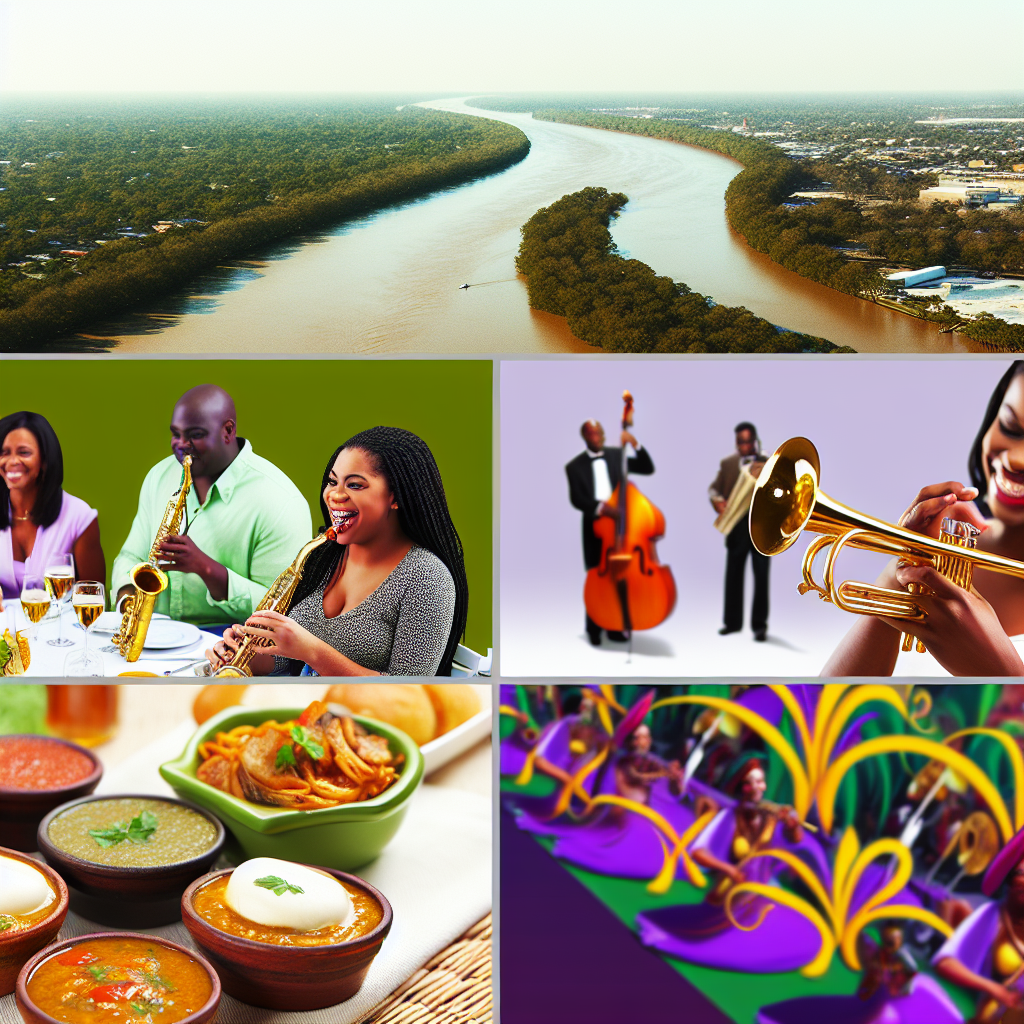
Louisiana history is a fascinating adventure that encapsulates the essence of a cultural melting pot, shaped by diverse influences and rich traditions. From its beginnings, the state has been a meeting point for Indigenous tribes, French and Spanish colonizers, and African descendants, creating a unique societal tapestry. This historical journey unveils Louisiana’s deep connection to its Indigenous roots, celebrates the vibrant Creole culture, and honors the enduring Cajun traditions that thrive today. Central to this evolution was the Louisiana Purchase, which marked a pivotal moment in its transformation and integration into the United States. As we delve deeper into Louisiana’s history, we discover how these elements together form a remarkable and lively legacy, echoing through its cuisine, music, and festivals.
The narrative of Louisiana extends beyond mere dates and events; it reflects a confluence of identities that have shaped an iconic region. This eclectic history includes the sagas of the Native American tribes who first inhabited this land, the European settlers who brought their customs, and the African communities whose cultural rhythms still resonate today. The blend of these distinct heritages has given rise to a colorful, vibrant community known for its famous festivals, mouthwatering dishes, and unique folk music. In a way, Louisiana serves as a microcosm of America’s broader history, showcasing how diverse backgrounds come together to create something truly special. By examining these intertwined stories, we can appreciate the rich mosaic that is Louisiana, a state where every cultural layer enhances its charm and uniqueness.
The Rich Tapestry of Indigenous Tribes in Louisiana
From the earliest days of inhabitation, Indigenous tribes played a crucial role in shaping the region now known as Louisiana. Long before European explorers arrived, tribes such as the Chitimacha and Houma cultivated a deep connection to the land. They utilized the Mississippi River and its tributaries, which served not only as a source of food but also as a crucial trade route. Using their in-depth knowledge of the land, these tribes practiced sustainable hunting and agriculture, fostering a balance with nature that allowed their cultures to flourish.
The art and spirituality of these Indigenous tribes were interwoven with their daily lives. Tribal storytelling, music, and dance were vital cultural expressions that preserved their history and reinforced community bonds. Significant archaeological findings, including tools and pottery, reveal their sophisticated craftsmanship and resourcefulness. Even today, echoes of these first inhabitants can be seen in modern Louisiana’s cultural practices, ensuring that the legacy of Indigenous tribes continues to inform the state’s diverse identity.
European Colonization: The French and Spanish Era
The arrival of French explorer René-Robert Cavelier, Sieur de La Salle, in 1682 marked the beginning of European colonization in Louisiana. Claiming the territory for France, La Salle set the stage for subsequent colonization efforts. In 1718, the establishment of New Orleans as a bustling port city transitioned Louisiana into a French domain that heavily influenced the culinary and cultural landscape of the region. The French legacy is evident in the state’s architecture, language, and unique festivals, a reflection of their lasting impact on Louisiana’s character.
The Spanish control of Louisiana from 1763 to 1800 added another layer to the cultural fabric of the region. The Spanish brought their customs, traditions, and governance styles, which influenced everything from local cuisine to legal structures. This blend of French and Spanish traditions created a unique Creole culture, which emerged during this transitional period, defining much of Louisiana’s heritage today. This period laid the groundwork for a complex society that would continue evolving with further cultural contributions.
The Emergence of Creole and Cajun Cultures
As the colonial tableau unfolded, Creole culture began to take shape, representing a fascinating synthesis of French, Spanish, African, and Native American influences. This unique identity found its roots in the urban settings of Louisiana, particularly in New Orleans, where diverse communities converged. The distinctive language, customs, and culinary practices that emerged are testaments to the vibrant interactions among these cultural groups, with Creole cooking becoming synonymous with Louisiana’s rich gastronomic landscape.
On the other hand, Cajun culture began to flourish among the Acadian exiles arriving from Canada in the mid-18th century. They brought with them unique dialects, musical styles, and culinary traditions that have become staples of Louisiana identity. The resilience of Cajun people, facing adversity, has resulted in a thriving culture that celebrates its French roots through lively music and delicious dishes like gumbo and bouillabaisse. Both Creole and Cajun cultures serve as pillars of Louisiana’s heritage, demonstrating how influences can intertwine and create something entirely new.
The African Diaspora’s Influence on Louisiana Culture
The transatlantic slave trade dramatically altered Louisiana’s demographic and cultural landscape. Enslaved Africans, brought to work on plantations, introduced rich traditions that would eventually permeate Louisiana’s identity. They preserved aspects of their cultural heritage through their music, spirituality, and storytelling, infusing these elements into the broader community. The influence of African traditions is particularly pronounced in the evolution of Louisiana’s music genres, including jazz and blues, which have roots in the African musical heritage brought by these communities.
The legacy of African culture persists in Louisiana festivals and communal celebrations, reflecting a deep connection to ancestral practices. Events such as Mardi Gras and Jazz Fest not only showcase the vibrancy of Louisiana’s culture but also serve as platforms for preserving and sharing African heritage. This blending of cultural practices created a rich soundscape that continues to inspire artists and musicians worldwide, showcasing how deeply interconnected cultural histories contribute to the vibrant identity of Louisiana.
The Louisiana Purchase: A Turning Point in History
In 1803, the Louisiana Purchase marked a significant turning point in American history, doubling the size of the nation and bringing Louisiana under U.S. control. This acquisition initiated the further influx of American settlers, reshaping the region’s demographic and cultural landscape. As Americans migrated into Louisiana, they brought with them their customs, governance structures, and aspirations for economic opportunities, further diversifying the already complex state.
Despite the increasing American influence, Louisiana’s inhabitants steadfastly preserved their unique Creole and Cajun traditions, resulting in a dynamic cultural exchange. The fusion of American customs with local traditions exemplifies how Louisiana has evolved while retaining its rich heritage. This ongoing blend of influences continues to shape the state’s identity today, maintaining a balance between tradition and modernity that attracts visitors seeking to experience Louisiana’s extraordinary cultural melting pot.
Frequently Asked Questions
What are the key Indigenous tribes that shaped Louisiana’s early history?
Louisiana’s early history was significantly shaped by Indigenous tribes such as the Chitimacha, Houma, Tunica, and Coushatta. These tribes utilized the region’s natural resources for hunting, fishing, and agriculture, contributing to a rich cultural heritage that is still evident today.
How did the Louisiana Purchase influence the state’s cultural development?
The Louisiana Purchase in 1803 was a pivotal moment that doubled the size of the United States and brought an influx of American settlers to Louisiana. This event initiated cultural changes while allowing the existing Creole, Cajun, and African traditions to flourish, enriching the state’s diverse cultural tapestry.
What role does Creole culture play in Louisiana’s history?
Creole culture emerged from the blending of French, Spanish, African, and Native American influences during the colonial period. This unique culture significantly shaped Louisiana’s identity, particularly through its distinctive cuisine, language, and customs, which are vibrant in cities like New Orleans.
How are Cajun traditions connected to Louisiana’s historical narrative?
Cajun traditions are rooted in the Acadian exiles from Canada in the 18th century. Upon settling in Louisiana, these communities developed their own customs, music, and culinary practices, such as crawfish étouffée, which contribute to Louisiana’s rich cultural heritage today.
In what ways has the African diaspora impacted Louisiana’s cultural landscape?
The African diaspora profoundly influenced Louisiana’s cultural landscape through the transatlantic slave trade, introducing rich musical traditions like jazz and blues. Festivals and cultural events derived from African roots, such as Mardi Gras, continue to celebrate this vibrant heritage today.
| Period | Key Points |
|---|---|
| Indigenous Tribes | The first inhabitants included tribes like Chitimacha and Houma, who thrived on local resources. |
| European Colonization (1682-1800) | French and later Spanish settlers influenced Louisiana’s culture, language, and traditions. |
| Creole Culture | A unique identity formed from French, Spanish, African, and Native American influences, particularly in New Orleans. |
| African Diaspora | The slave trade introduced African traditions in music and festivals, leading to jazz and Mardi Gras. |
| Louisiana Purchase (1803) | The US acquisition of Louisiana led to an influx of American settlers while preserving cultural diversity. |
| Cajun Culture | Developed from Acadian exiles, Cajun culture blends unique music, language, and cuisine. |
| Modern Era | Louisiana continues to thrive as a cultural melting pot, celebrated through festivals and cuisine. |
Summary
Louisiana’s history is a vibrant testament to its complex past, beginning with Indigenous tribes who first inhabited the land and cultivating a rich cultural identity. The journey progresses through significant European colonization by both the French and Spanish, creating a cultural blend that birthed the unique Creole culture. Following the African diaspora, Louisiana experienced a unique cultural evolution, particularly evident in music and vibrant festivals. The Louisiana Purchase in 1803 marked another pivotal moment, as American influences began to flow into the state, enriching its diverse heritage. Cajun culture emerged from the historical resilience of Acadian exiles, further highlighting Louisiana’s intricate historical tapestry. Today, Louisiana stands as a cultural melting pot, showcasing its diverse influences through its lively festivals, cuisine, and artistic expressions, inviting locals and visitors alike to explore its rich history.