
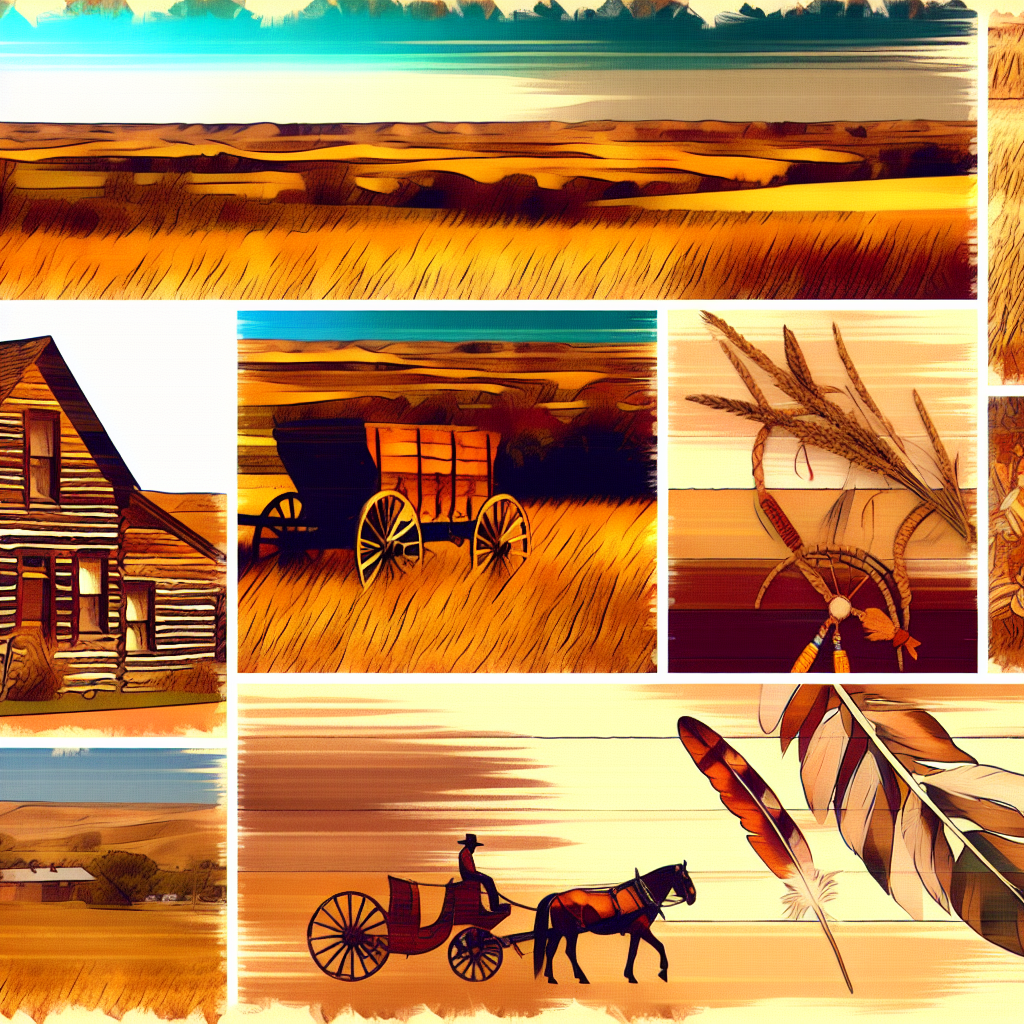
Nebraska history is a captivating blend of cultures and events that have shaped this unique Midwestern state. Once dominated by expansive prairie lands and home to diverse pioneer towns, the region tells a story that dates back to the vibrant traditions of Native American tribes, such as the Omaha and Ponca. As settlers streamed westward, driven by the promise of opportunity under the Homestead Act, Nebraska transformed into a hub of courage and innovation. The routes of the iconic Oregon Trail intertwined with this journey, further solidifying Lincoln’s role as a political and educational epicenter, alongside the rapid development of Omaha as a commercial powerhouse. Today, Nebraska heritage remains alive, as each chapter of its past informs and enriches the lives of its residents, making it a truly fascinating aspect of American history.
The historical narrative of Nebraska captivates those curious about the state’s past, often overlooked by its more flamboyant counterparts. Known for its lush landscapes and early settlements, Nebraska serves as a crucial chapter in the broader story of American westward expansion. The legacies of indigenous communities, coupled with the surge of settlers eager for a new life, have created a rich tapestry interwoven with tales of exploration and settlement. Esteemed figures and significant events along the Oregon Trail shaped Nebraska’s cultural landscape, building its reputation as a vital region for agriculture and trade. As we delve deeper into the evolution of its towns like Lincoln and Omaha, we discover the roots of resilience and community that continue to define this Midwestern gem.
The Native American Tribes of Nebraska
Before the European settlers carved their paths through the American West, the vast stretches of Nebraska were inhabited by various Native American tribes, including the Omaha, Ponca, Otoe-Missouria, and Lakota Sioux. These communities developed rich cultures based on their deep connection to the land, relying on the state’s prairie lands and river systems for sustenance. Their skilled hunting and farming methods allowed them to thrive, creating intricate societies that honored both the natural environment and communal living traditions.
As the tribal nations engaged in trade and communal gatherings, their interactions fostered a complex network of social and cultural exchanges. Not only were they reliant on the land for food and resources, but they also maintained spiritual practices that celebrated their heritage and the earth. The arrival of settlers would dramatically alter this landscape and disrupt their ways of life, ultimately leading to a significant shift in Nebraska’s cultural history.
Nebraska History: Exploration and Settlement
The 19th century marked a crucial turning point in Nebraska history as explorers began to chart unknown territories. Lewis and Clark’s expedition in 1804-1806 provided some of the first European documentation of Nebraska’s vast lands and resources, igniting interest among settlers. In the ensuing decades, the establishment of forts, such as Fort Atkinson in 1820, solidified Nebraska’s role in westward expansion, providing a base for trade and communication that was essential for those headed west.
The mid-1800s ushered in a surge of settlement due to the allure of land, driven by the Homestead Act of 1862, which promised 160 acres to any settler willing to farm the land for five years. Newly established pioneer towns sprang up across Nebraska, transforming once empty prairies into thriving communities. This monumental shift laid the groundwork for the vibrant agricultural backbone of Nebraska that endures to this day.
The Rise of Lincoln and Omaha
As Nebraska grew in population and economic strength, two key cities emerged: Lincoln and Omaha. Lincoln was founded in 1856 and, after becoming the state capital in 1867, it evolved into a hub of political and educational activity, home to institutions like the University of Nebraska. This city played a vital role in shaping Nebraska’s legislative and cultural landscape, marking an essential chapter in the state’s historical journey.
Omaha, on the other hand, capitalized on its strategic location along the Missouri River and became a bustling commercial center during the railroad expansion. With the Union Pacific Railroad’s headquarters established there, Omaha attracted businesses and settlers alike, leading to an economic boom that transformed it into one of the state’s largest cities. These developments created a dynamic urban environment where commerce, culture, and innovation flourished.
Agricultural Development in Nebraska
The onset of the 20th century solidified Nebraska’s reputation as a pillar of American agriculture. Vast tracts of fertile soil contributed to the extensive farming of staples like corn, wheat, and soybeans, earning Nebraska the affectionate moniker of “The Cornhusker State.” This agricultural boom not only sustained the local economy but also attracted families eager for opportunity, resulting in the establishment of numerous small towns with rich histories.
Agriculture not only shaped Nebraska’s economy but also its identity and culture, with many communities hosting festivals dedicated to their farming heritage. The reliance on agriculture prompted developments in technology and infrastructure, further advancing Nebraska’s position in the national market. The state thus became synonymous with agricultural innovation, connected deeply to the farming way of life cherished by its residents.
Preserving Nebraska’s Rich Heritage
Today, Nebraska is committed to preserving its diverse history through numerous museums, historical sites, and reenactments that reflect its rich tapestry of cultural narratives. The Nebraska State Historical Society plays a pivotal role in maintaining these sites, offering insights into the lives of indigenous peoples, early settlers, and farming pioneers. Places like the Homestead National Historical Park allow visitors to step back in time and learn about the transformative events that shaped Nebraska.
Moreover, various community festivals celebrate Nebraska’s heritage by showcasing local arts, music, and traditional food, further enriching the state’s cultural landscape. Events like the Nebraska State Fair highlight the deep-seated connection to farming and community spirit, inviting both residents and visitors to engage with the state’s storied past. By honoring their roots, Nebraskans ensure that future generations understand and appreciate the profound history that defines their state.
Frequently Asked Questions
What Native American tribes originally inhabited Nebraska?
Nebraska was originally home to several Native American tribes, including the Omaha, Ponca, Otoe-Missouria, and Lakota Sioux. These tribes thrived on the region’s rich natural resources, forming deep connections with the land through their cultural practices and communal living.
How did the Homestead Act impact Nebraska’s development?
The Homestead Act of 1862 significantly influenced Nebraska’s development by encouraging settlers to move to the area. It granted 160 acres of land to individuals willing to cultivate it for five years, transforming Nebraska’s prairie lands into farms and vibrant pioneer towns.
What role did the Oregon Trail play in Nebraska history?
The Oregon Trail was a vital route that crossed Nebraska, facilitating the migration of thousands toward the west during the 19th century. It helped establish the state as a key area for early explorers and settlers, contributing to the development of towns and agriculture.
How did Lincoln and Omaha contribute to Nebraska’s growth?
Lincoln, founded in 1856 and designated as the state capital in 1867, became a center for politics and education. Omaha’s rapid growth during the railroad boom made it a major transportation hub, fueling economic development and fostering community growth across Nebraska.
What are some ways Nebraska preserves its history today?
Today, Nebraska preserves its history through various museums, historical sites, and reenactments operated by the Nebraska State Historical Society. Key locations, such as the Homestead National Historical Park, provide insights into the lives of indigenous peoples, early settlers, and agricultural pioneers.
| Key Point | Description |
|---|---|
| Indigenous People | Home to tribes like Omaha, Ponca, Otoe-Missouria, and Lakota Sioux, who lived in harmony with nature. |
| Era of Exploration | Explorers, including Lewis and Clark, documented Nebraska’s landscapes, influencing westward expansion. |
| Settlement and Pioneer Spirit | The Homestead Act of 1862 attracted settlers, transforming Nebraska into farms and towns, aided by railroads. |
| Birth of Lincoln and Omaha | Lincoln became the state capital in 1867, while Omaha grew as a commercial hub through the railroad. |
| Age of Agriculture | Nebraska earned the nickname “The Cornhusker State” due to its significant agricultural production. |
| Trail and Pony Express | The state hosted key trails and the Pony Express, establishing vital communication routes. |
| Modern Nebraska: Preserving History | Various museums and historical sites preserve the rich narrative of the state’s diverse past. |
| Festivals and Celebrations | Community events like the Nebraska State Fair celebrate local traditions and culture. |
| Visiting Nebraska | Historic routes and small towns offer a glimpse into Nebraska’s pioneering heritage. |
Summary
Nebraska history is a testament to the rich tapestry of cultural interactions, from the indigenous tribes to the settlers who transformed the landscape. Initially inhabited by Native American tribes, the region saw exploration in the 1800s, paving the way for significant migration during the mid-19th century fueled by the Homestead Act. This led to the establishment of vibrant communities, notably Lincoln as the state capital and Omaha as a commercial center. As agriculture flourished, Nebraska became known as the Cornhusker State. The Pony Express and trails fostered communication and commerce. Today, Nebraska’s commitment to preserving its history through museums and celebrations reflects a deep respect for its diverse past, encouraging visitors to explore its unique heritage.