
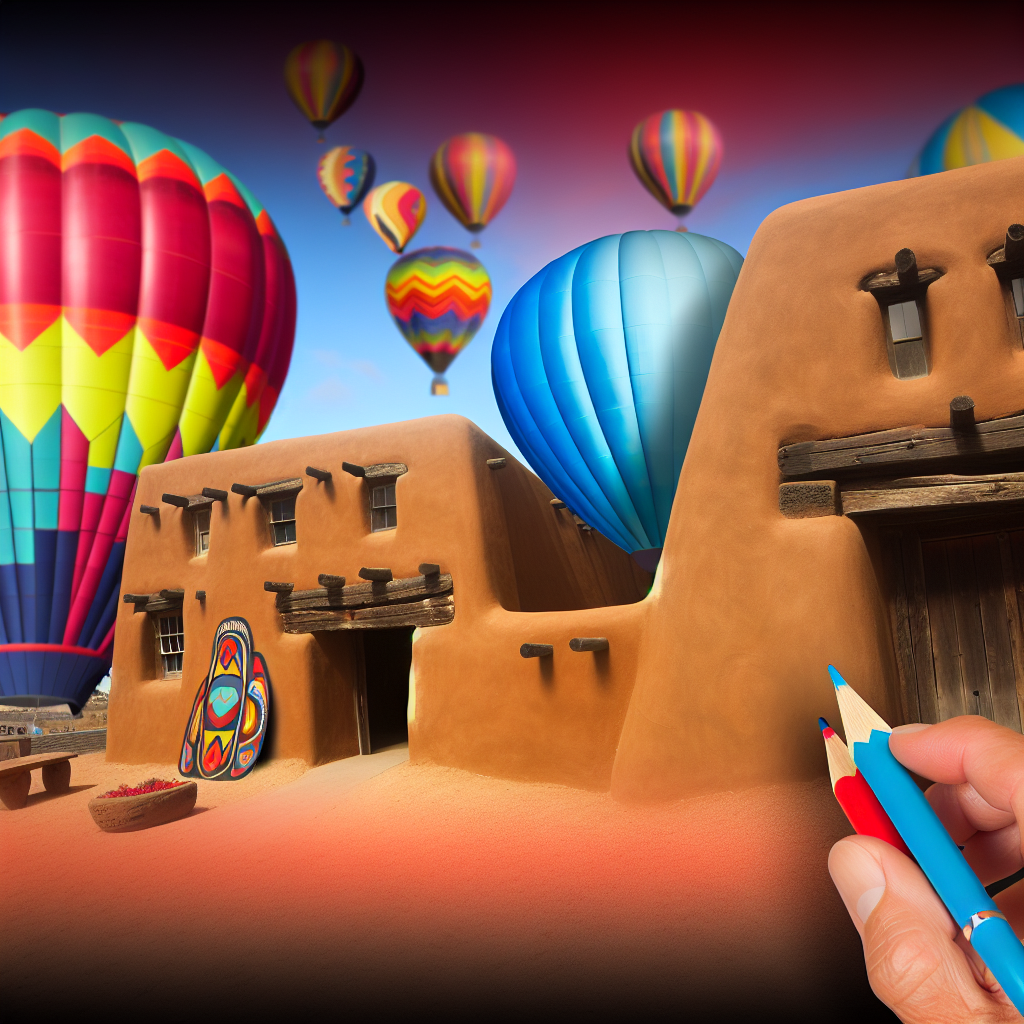
The history and culture of New Mexico is a captivating tapestry woven through centuries, embodying the essence of Native American heritage, Spanish exploration, and diverse immigrant influences. Nestled in the heart of the Southwestern United States, New Mexico’s enchanting landscapes serve as a backdrop to its historical narrative, from ancient Pueblo dwellings to the adobe-lined streets of Santa Fe. This unique state features a rich blend of traditions, celebrated through vibrant festivals in Albuquerque and the tantalizing flavors of New Mexican cuisine, where chili and corn play starring roles. Visitors are often drawn to the artistic soul of Santa Fe, with its renowned galleries and museums showcasing indigenous craftsmanship influenced by centuries of cultural exchange. Join us as we delve into the layers of New Mexico’s past and present, unveiling the stories that continue to shape this remarkable region.
Unearthing the fascinating past and vibrant legacy of New Mexico offers a glimpse into a world of diverse traditions and rich cultural narratives. This region, a crossroads for various influences, reflects a historic fusion of Native American practices, Colonial Spanish legacies, and modern innovations. As we explore the profound significance of New Mexican life—including its renowned culinary offerings, captivating festivals, and the distinctive charm of its art scene in cities like Santa Fe and Albuquerque—we find a lively representation of how history continues to resonate through contemporary practices. Discovering New Mexico’s multifaceted identity is an invitation to appreciate the intertwined fates of its people and the land they call home.
A Comprehensive Timeline of New Mexico’s History
The history of New Mexico can be traced back over thousands of years, beginning with the Native American tribes that inhabited the region. The Pueblo peoples established thriving communities with complex social structures, farming systems, and unique religious practices long before European settlers arrived. Archaeological sites across the state illustrate their advanced agricultural techniques and their deep connection with the land.
In 1540, the arrival of Spanish explorer Francisco Vázquez de Coronado marked a significant turning point. The Spanish colonization led to the establishment of missions and settlements, shaping the socio-political landscape of New Mexico. Santa Fe, founded in 1610, became the oldest capital in the United States, symbolizing the enduring influence of European settlers in the region.
The Fusion of Cultures in New Mexico
New Mexico’s culture is a rich tapestry woven from its Native American, Spanish, and Anglo heritage. This cultural fusion is evident in the countless traditions, languages, and art forms present in the state today. The ongoing exchange between these different cultures has created a unique identity that can be seen in the everyday lives of residents and the administration of various cultural festivals across the state.
Native American influence remains deeply embedded in New Mexico culture, visible in traditional art, music, and ceremonies. Events like the Gathering of Nations powwow highlight this vibrant heritage, providing a space for indigenous communities to share their traditions while celebrating their rich contributions to New Mexico’s cultural landscape.
Culinary Delights of New Mexico
The culinary heritage of New Mexico reflects its diverse cultural influences, particularly through its famous New Mexican cuisine. Rich flavors imbued with native ingredients such as chiles, corn, and beans provide a window into the state’s history, showcasing how indigenous practices blend with Spanish culinary traditions. This amalgamation not only defines the local food culture but also enhances the identity of New Mexicans.
The iconic ‘Red or green?’ question found in restaurants exemplifies the pride New Mexicans take in their chili-based dishes. Celebratory events centered around food, such as the New Mexico Chili Festival, further showcase the state’s commitment to preserving its culinary traditions while promoting local agriculture and sustainable practices.
Festivals That Celebrate New Mexico’s Heritage
New Mexico’s festivals are vibrant and varied, reflecting the state’s rich cultural heritage and diverse communities. The Albuquerque International Balloon Fiesta, drawing tens of thousands of visitors each year, captures the spirit of New Mexico through breathtaking displays of color and creativity in the sky. This festival not only celebrates the joy of ballooning but also embodies the unity of visitors and locals in a stunning natural landscape.
Another important event is the Santa Fe Indian Market, which celebrates Native American artists and their incredible work. Offering a venue for artists to share their cultural creations, this market highlights the significance of indigenous art as a vital part of New Mexico’s identity while promoting awareness and appreciation of Native American history and culture.
Modern Expressions of New Mexico’s Cultural Identity
The contemporary art scene in New Mexico is a living testament to the state’s historical roots and cultural diversity. Cities like Santa Fe and Albuquerque serve as artistic hubs, where traditional crafts exist alongside innovative modern expressions. Artists draw inspiration from the landscapes, cultural traditions, and historical narratives that define the region, creating a vibrant art community praised nationally and internationally.
This modern artistic movement is supported by initiatives focusing on education and community engagement, linking the youth with their heritage and encouraging new forms of creative expression. Through workshops and public art projects, New Mexico cultivates a cultural landscape where past influences and contemporary ideas flourish side by side, ensuring a rich tapestry of cultural identity for generations to come.
Frequently Asked Questions
What are the key events in New Mexico history that shaped its culture?
New Mexico history is marked by significant events such as the arrival of Spanish explorer Francisco Vázquez de Coronado in 1540, the establishment of Santa Fe in 1610, and its transition from Spanish to Mexican control until it was ceded to the United States in 1848. Each of these events has left a lasting impact on New Mexico culture, blending Native American traditions with Hispanic and Anglo influences.
How does Native American influence manifest in New Mexico’s culture today?
Native American influence is profoundly woven into New Mexico’s culture through art, language, religious practices, and culinary traditions. Many Native American tribes, such as the Pueblo, Navajo, and Apache, actively preserve and share their cultural heritage through festivals, traditional crafts, and contemporary art, enriching the cultural landscape of New Mexico.
What is unique about New Mexican cuisine and its cultural significance?
New Mexican cuisine is unique for its rich flavors and diverse ingredients, primarily characterized by the use of green and red chiles, beans, corn, and squash. This culinary style reflects the fusion of Native American and Spanish cooking traditions, showcasing dishes like enchiladas and tamales that are central to New Mexico’s cultural identity and local pride.
What cultural festivals are important to Albuquerque and New Mexico’s heritage?
Albuquerque hosts several important festivals that celebrate New Mexico’s diverse heritage, including the Albuquerque International Balloon Fiesta and the Gathering of Nations powwow. These events highlight New Mexico’s rich history, cultural identity, and community spirit, bringing together residents and visitors to honor traditions and celebrate unity.
How has Santa Fe influenced New Mexico’s cultural arts scene?
Santa Fe has significantly influenced New Mexico’s cultural arts scene, becoming a hub for artists and artisans. The city is known for its vibrant galleries, art markets like the Santa Fe Indian Market, and its unique blend of Native American and Hispanic artwork, which collectively shape the state’s identity as a center for artistic expression and cultural innovation.
| Aspect | Details |
|---|---|
| Historical Overview | New Mexico’s history includes Native American tribes like the Pueblos, Spanish colonization starting in 1540, and becoming part of the U.S. in 1848. |
| Cultural Fusion | A blend of Native American, Hispanic, and Anglo cultures is evident in arts, music, cuisine, and celebrations. |
| Arts and Crafts | Renowned arts scene in Santa Fe, known for Native American pottery, jewelry, and vibrant colors inspired by landscapes. |
| Culinary Heritage | Famous for unique New Mexican cuisine using chiles, beans, corn, and squash, with iconic dishes like enchiladas and tamales. |
| Festivals and Celebrations | Annual events like the Albuquerque Balloon Fiesta and Gathering of Nations exhibit cultural pride and unity. |
| Natural Wonders | Diverse landscapes such as Carlsbad Caverns and White Sands enhance cultural narratives and are revered by indigenous peoples. |
| Contemporary Scene | New Mexico embraces innovation in arts and technology while preserving its focused cultural identity. |
Summary
The history and culture of New Mexico reveal a profound tapestry woven from diverse influences over centuries. Beginning with the rich traditions of Native American tribes, followed by the arrival of Spanish explorers in the 16th century, the state saw significant developments as it transitioned from Spanish to Mexican rule and then became a U.S. territory in 1848. Throughout this timeline, the blending of cultural practices has enriched New Mexico, evident in its art, cuisine, and vibrant celebrations. In the contemporary scene, New Mexico continues to innovate while honoring its storied past, making it a unique destination where every corner tells a tale of resilience, fusion, and celebration.