
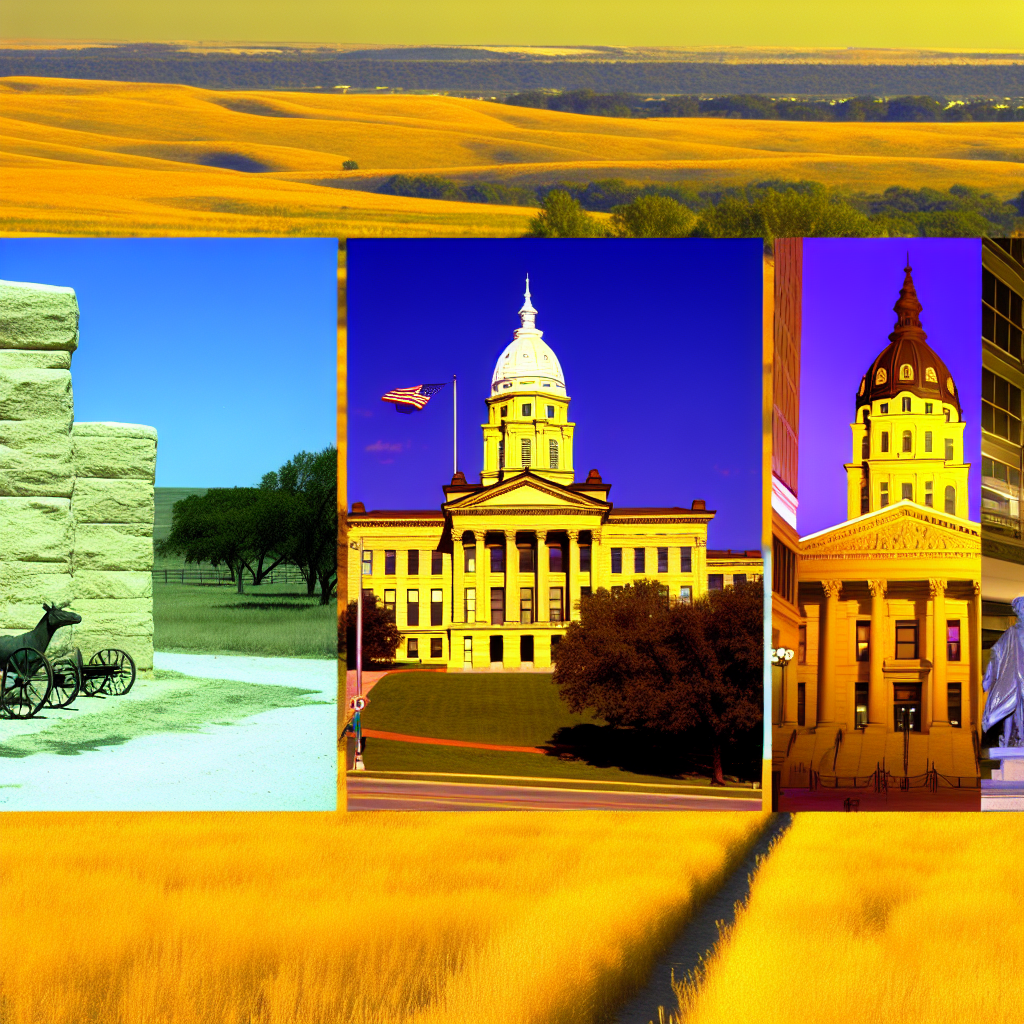
Kansas history landmarks vividly illustrate the diverse and dynamic narrative of the Sunflower State, from the days of westward expansion to key moments in the civil rights movement. Notable sites like the **Brown v. Board of Education National Historic Site** highlight the fight for equality, while the remnants of the **Oregon Trail** remind visitors of the pioneering spirit that shaped the state. Each landmark, including the magnificent **Kansas State Capitol**, stands as a testament to the trials and triumphs of those who called Kansas home. As we explore these historical landmarks in Kansas, we discover not only their significance but also the stories of resilience and determination that echo through time. Join us on this journey to uncover the rich history that makes Kansas a treasure trove of American heritage.
Exploring the pivotal historical sites of the Sunflower State opens a fascinating window into Kansas’ past, revealing narratives of perseverance, struggle, and growth. Renowned for iconic sites such as the **Boot Hill Museum**, which captures the Wild West spirit, and the impactful **Brown v. Board of Education**, Kansas showcases landmarks that are both educational and inspirational. The state’s rich tapestry of history, traversing from Indigenous roots through the Populist movement and into the 20th century, is illustrated through its preserved monuments and sites. Each historical marker tells the story of the people and events that shaped Kansas into what it is today. Delve deeper into the stories behind these locations and experience the vibrant historical landscape that awaits in Kansas.
Exploring the Oregon Trail’s Legacy
The Oregon Trail, a pivotal route for pioneer settlers in the mid-1800s, serves as a historical backbone for Kansas. Many families embarked on this arduous journey searching for new opportunities in the west, with portions of the trail traversing through Kansas. The southern path, often utilized by those headed toward California and Oregon, intersected with key locations such as Dodge City, where the Oregon Trail Ruts are located. This site provides an enduring glimpse into the past, where deep grooves left behind by wagon wheels tell the story of determination and hardship faced by those early travelers.
Memorializing the Oregon Trail is crucial to understanding the broader narrative of Kansas history. Trail markers and historical sites along the route not only honor these early pioneers but also invite visitors to reflect upon the migration patterns that shaped the state. Many towns in Kansas celebrate their connection to the trail, hosting reenactments and festivals that keep the spirit of that era alive. Exploring these landmarks allows one to appreciate the courage of the settlers and the challenges they faced in making the great trek westward.
The Significance of Brown v. Board of Education
The Brown v. Board of Education National Historic Site in Topeka, Kansas, stands as a powerful reminder of the nation’s struggle for civil rights. The landmark 1954 Supreme Court case declared racial segregation in public schools unconstitutional, marking a turning point in American history. Visitors to the site will find a wealth of information on the fight for education equality, with exhibits that detail the challenges faced by the plaintiffs and their communities. This historic location not only honors the legacy of those who fought for justice but also highlights the broader impact on the Civil Rights Movement across the United States.
As one delves deeper into the history of Brown v. Board of Education, it becomes apparent how significantly this case influenced Kansas history and beyond. The site serves as a testament to the ongoing struggle for social justice, emphasizing the importance of advocacy and education in creating change. Educational programs and guided tours provide insights into the legal battles that led to desegregation, as well as the continued relevance of these issues today. Visiting this landmark enhances one’s understanding of the historical context, encouraging reflection on civil rights and the often tumultuous journey toward equality.
Dodge City and the Wild West Experience
Dodge City, famously known as a Wild West town, captures the essence of frontier life in its vibrant history. At the Boot Hill Museum, visitors can delve into exhibits that showcase the cattle drives, gunfights, and law enforcement of the late 19th century. This historical landmark recreates the atmosphere of the Old West, inviting guests to experience life as it was during those tumultuous years. The museum also honors the legacy of personalities who had a significant impact on Dodge City, such as lawmen and outlaws, enriching the narrative of Kansas history.
Engagement with the past is further enhanced through living history events and reenactments held at the Boot Hill Museum. These performances breathe life into the courageous tales of settlers and cowboys, allowing visitors to witness firsthand the lawlessness and excitement of this iconic era. The Wild West spirit remains alive today, and the allure of Dodge City as a historical landmark continues to attract those eager to learn about the turbulent journey and cultural transformation that defined this region in Kansas.
Kansas State Capitol: A Symbol of Governance and Heritage
The Kansas State Capitol in Topeka represents not only the political heart of the state but also a stunning example of architectural grandeur. Completed in the late 19th century, the capitol building showcases a magnificent dome adorned with beautiful murals and statues that reflect the rich cultural heritage of Kansas. Visitors to the capitol can take guided tours that explore its historical significance and the legislative processes that shape the state’s law. The artwork within the chamber celebrates key events and figures in Kansas history, creating an atmosphere of reverence for the state’s past.
Climbing to the top of the dome offers panoramic views of Topeka and surrounding landscapes, underscoring the beauty of Kansas’ natural environment. This unique facet of the Kansas State Capitol invites exploration and appreciation not just of political history, but also of the state’s geographical diversity. As visitors stand atop the dome, they are reminded of the importance of governance in shaping the future while honoring the past. The Kansas State Capitol serves as a lasting symbol of the blend between governance and heritage, making it an essential part of any exploration of Kansas history.
Historic Towns of Kansas: The Journey to Abilene
Abilene played a crucial role in Kansas history as a central hub for cattle drives during the late 1800s. Established as the terminus of the Chisholm Trail, this bustling town attracted cowhands and cattlemen seeking fortune and opportunity. Today, the Abilene Historical Museum captures this vibrant history, showcasing artifacts and exhibits that narrate the story of cattle drives and the lives of those who thrived in this cowtown. By walking through Abilene, visitors can almost hear the sounds of the past—the chatter of cowboys and the clatter of hooves echoing from a time when this nexus buzzed with life.
The town’s dedication to preserving its history is evident in its well-maintained structures and historical markers that recount its significance in the cattle industry. Events celebrating Abilene’s heritage, such as cattle drives reenactments, invite residents and visitors alike to engage in the pride of their collective history. Learning about Abilene’s role in shaping Kansas as a frontier state reveals the entrepreneurial spirit and resilience inherent in the people who once populated this thriving town, enriching the narrative of Kansas history and identity.
Frequently Asked Questions
What are some important historical landmarks in Kansas that highlight its history?
Kansas is home to several significant historical landmarks, including the Brown v. Board of Education National Historic Site, which marks a pivotal moment in the Civil Rights Movement, and the Oregon Trail Ruts near Dodge City, which traces the path of pioneers. Other notable sites include Fort Larned National Historic Site and the Boot Hill Museum, both of which illustrate the Wild West era.
How does the Brown v. Board of Education site contribute to Kansas history?
The Brown v. Board of Education National Historic Site in Topeka, Kansas, plays a critical role in American history by commemorating the landmark Supreme Court case that declared racial segregation in public schools unconstitutional. This site educates visitors about the significance of this decision in the wider context of the Civil Rights Movement, making it a crucial landmark in Kansas history.
What unique experiences does the Boot Hill Museum offer related to Kansas’ Wild West history?
The Boot Hill Museum in Dodge City provides an immersive experience into Kansas’ Wild West history by recreating the Old West atmosphere. Visitors can engage with exhibits showcasing artifacts from the frontier era, participate in reenactments, and explore the history of the cowboy culture that thrived in this historic cattle town.
Why is the Kansas State Capitol a significant historical landmark in Kansas?
The Kansas State Capitol, located in Topeka, is a stunning architectural marvel and an essential hub of state government. Completed in the late 19th century, its elaborate dome and the artworks reflect Kansas’ cultural heritage. Tours of the capitol offer insights into state legislative processes and showcase its historical importance, making it a vital landmark in Kansas history.
What does the Oregon Trail represent in terms of Kansas’ historical landmarks?
The Oregon Trail is a crucial historical landmark in Kansas, representing the journey of 19th-century pioneers migrating westward. Portions of the trail, such as the Oregon Trail Ruts near Dodge City, serve as physical reminders of the challenges faced by settlers, illustrating the determination that shaped Kansas’ early history and its role in the larger narrative of westward expansion.
| Landmark | Significance | Location | Key Features |
|---|---|---|---|
| Oregon Trail Ruts | Pioneering passage for settlers in the 19th century | Near Dodge City | Deep ruts carved by wagon wheels |
| Brown v. Board of Education National Historic Site | Landmark Supreme Court case for civil rights | Topeka | Interactive exhibits on racial equality |
| Boot Hill Museum | Representation of life in the frontier era | Dodge City | Artifacts and reenactments of Old West life |
| Kansas State Capitol | Government architecture and history | Topeka | Stunning dome and murals |
| Abilene Historical Museum | Significance in cattle-driving history | Abilene | Artifacts from the cowtown era |
| Populist Trail | Advocacy for farmers’ rights in the late 19th century | Various locations across Kansas | Gathering sites for discussions on reform |
| Fort Larned National Historic Site | Military history during the Indian Wars | Fort Larned | Reconstructed buildings and living history events |
| Tallgrass Prairie National Preserve | Ecological and cultural significance of prairie lands | Strong City | Hiking trails and biodiversity education |
Summary
Kansas history landmarks are essential to understanding the rich tapestry of the state’s past. The journey begins with the Oregon Trail in the 19th century, showcasing the pioneer spirit of settlers. This is followed by the landmark Brown v. Board of Education National Historic Site in the 1950s, which marked a significant turning point in civil rights. The Boot Hill Museum, representing the cowboy era, serves as a reminder of Kansas’ wild West days. The Kansas State Capitol illustrates the state’s governmental evolution, while Abilene, established in the 1860s, highlights the vibrant cowtown era. The Populist Trail marks the late 19th-century farmers’ fight for rights, preserving the struggles of that time. Fort Larned signifies military history during the Indian Wars, and finally, the Tallgrass Prairie National Preserve protects vital ecological narratives. Collectively, these landmarks paint a picture of resilience, culture, and transformation, enriching our understanding of Kansas history.