
Massachusetts history offers a captivating glimpse into the foundations of America, encapsulating significant events and cultural transitions from the Native American heritage to the birthplace of revolutionary ideas. As one of the original thirteen colonies, this state played a pivotal role during the American Revolution, with Boston landmarks like the Freedom Trail showcasing moments that forever altered the course of the nation. Visitors can walk in the footsteps of patriots, experience historic sites in Massachusetts, and witness the legacy of the Boston Tea Party and the Boston Massacre. The state is a living testament to its rich past, where every corner holds a story—from indigenous communities to the fight for independence. For history enthusiasts, Massachusetts is not just a destination; it’s a vibrant narrative waiting to be explored across its many landscapes and landmarks.
The historical narrative of the Bay State presents an enthralling journey through America’s past, intertwining the experiences of diverse cultures and key revolutionary moments. Massachusetts serves as a remarkable backdrop for understanding the early foundations of democracy through events sparked in Boston, a city renowned for its critical role in the struggle for freedom. Uncovering the state’s cultural tapestry allows one to appreciate the significance of its historic sites, reflecting on the Native American heritage and the spirited conflicts that defined the American Revolutionary War. As you traverse this intellectually rich terrain, you will discover not only the echoes of famous figures but also the diverse stories that have shaped the very identity of this New England gem. Engaging with Massachusetts history is a profound way to connect with the heart of America’s development and the relentless pursuit of liberty.
Exploring Massachusetts: The Land of Firsts
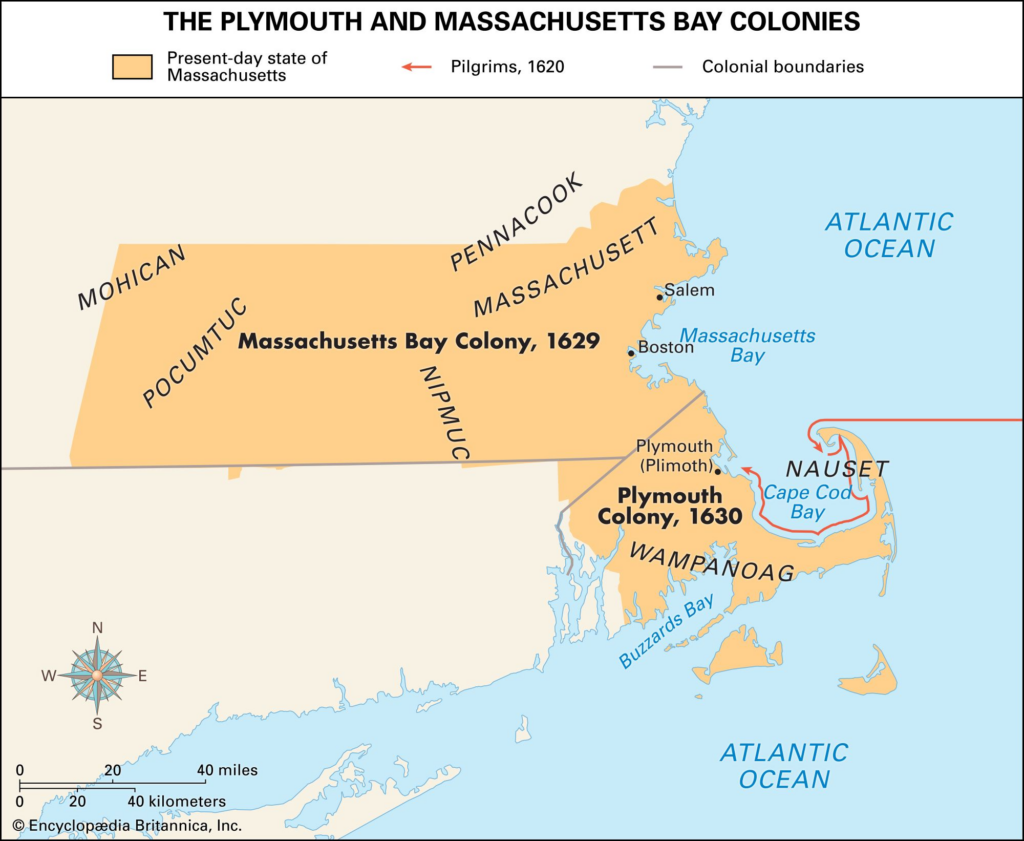
Massachusetts is often recognized as the birthplace of numerous significant American movements and ideas. The early settlers and their establishment of the Massachusetts Bay Colony paved the way for pioneering principles that would shape American democracy. By forming what was one of the first representative governments in the New World, Massachusetts set the stage for future revolutionary sentiments that would ignite in the 18th century. Visitors can explore various sites, including the **Old Statehouse** in Boston, where early legislative discussions took place, emphasizing the state’s foundational role in the American narrative.
Additionally, Massachusetts is home to groundbreaking educational institutions like Harvard University, founded in 1636, and the Massachusetts Institute of Technology (MIT), established in 1861. Both institutions have driven forward-thinking research and innovation, laying further groundwork for art, science, and technology. The influence of these educational establishments undoubtedly reinforces Massachusetts’s position as a leader in fostering revolutionary ideas and cultural advancements, which are intricately linked to its historical identity.
The Impact of Native American Heritage on Massachusetts History
Before European settlers arrived, Massachusetts terrain was rich with vibrant cultures and robust societies led by Native American tribes, notably the Wampanoag, who played a crucial role in the region’s history. Under the leadership of Chief Massasoit, the Wampanoag forged an alliance with the Pilgrims that culminated in the first Thanksgiving in 1621, a significant event that reflects on the early interactions between indigenous peoples and Europeans. Today, sites like **Plimoth Plantation** authentically recreate this historical narrative, allowing visitors to engage with representations of Native American life and traditions.
The preservation and appreciation of Native American heritage are further represented in Massachusetts through various cultural institutions. For instance, the **National Museum of the American Indian** celebrates the diverse histories and contributions of Native peoples in the region. This ongoing effort to honor and educate the public about Native American heritage is vital to Massachusetts, as it deepens the understanding of the rich tapestry that underlies the state’s historical progress and commemorates the resilience of its first inhabitants.
Massachusetts as a Center of Revolutionary Ideas
The middle of the 18th century marked a period of fervent revolutionary thought that emerged from the heart of Massachusetts. Events like the **Boston Tea Party** in 1773 and the **Boston Massacre** in 1770 were pivotal in galvanizing resistance to British rule. As British soldiers clashed with civilians, these incidents became rallying points for the incipient revolutionary movement. Historic sites such as the **Boston Massacre Site** and the **Boston Tea Party Ships and Museum** serve as reminders of the growing discontent that would culminate in the fight for independence.
The mighty clash at Lexington and Concord in April 1775 ignited the Revolutionary War, which is commemorated by various landmarks across Massachusetts. Notably, the routes taken by Patriots and the stories of their bravery resonate deeply with history enthusiasts. Today, visitors can participate in reenactments at the Lexington and Concord Battlefields, reliving the significant moments that etched Massachusetts into the annals of American freedom. These historical engagements provide deep context, illustrating how Massachusetts’ revolutionary spirit played a critical role in shaping the nation’s destiny.
Abolitionist Movement and the Fight for Freedom
As the nation faced the moral complexities surrounding slavery, Massachusetts emerged as a pioneer in the abolitionist movement. Key figures like **Frederick Douglass** and **William Lloyd Garrison** championed the cause through impassioned speeches and groundbreaking publications that laid the groundwork for civil rights advocacy. Sites such as **Abolition Row** in Boston serve as historical landmarks that commemorate this struggle against oppression, detailing the courageous acts of those who worked tirelessly for emancipation.
Furthermore, the **Harriet Tubman House**, connected to the Underground Railroad, represents the bravery of those who risked their lives to aid others in their quest for freedom. This commitment to justice and equality is an indelible part of Massachusetts’s identity. Visiting these locations allows individuals to grasp the significance of the abolitionist movement within the broader narrative of American history, showcasing the courage that defined Massachusetts as a state committed to social change.
Modern Massachusetts: A Legacy of Innovation and Tradition
Entering the 21st century, Massachusetts continues to celebrate its rich history while paving the way for future advancements. The state is home to world-class educational institutions and research facilities, solidifying its commitment to leading in science, technology, and social innovation. Major universities like Harvard and MIT contribute to a thriving academic community that attracts both national and international attention, ensuring Massachusetts remains at the forefront of educational and technological evolution.
Moreover, modern Massachusetts reflects its historical roots through cultural celebrations like **Patriots’ Day**, which commemorates the battles of Lexington and Concord. These events reconnect contemporary society with its revolutionary past, ensuring that the stories of bravery and resilience continue to resonate with each new generation. The balance of honoring history while embracing the future makes Massachusetts a unique blend of tradition and innovation—an ideal destination for those interested in understanding how the past continues to influence the present.
Frequently Asked Questions
What role did Massachusetts play in the American Revolution?
Massachusetts was a crucial battleground during the American Revolution, notably marked by events like the Boston Tea Party and the Boston Massacre. These acts of defiance against British rule galvanized colonial resistance and led to pivotal battles such as Lexington and Concord in 1775. Sites like the Boston Massacre Site and the Lexington and Concord Battlefields offer insights into this transformative period in Massachusetts history.
How can I explore Native American heritage in Massachusetts?
Visitors interested in Native American heritage can explore sites like Plimoth Plantation and the National Museum of the American Indian, which highlight the history and contributions of tribes such as the Wampanoag. These locations allow you to engage with the early narratives of Massachusetts before European colonization.
What are some significant Boston landmarks related to Massachusetts history?
Boston is home to numerous historic landmarks, including Faneuil Hall, the Old State House, and the Boston Common. Each of these sites played a significant role in colonial governance and revolutionary activities, making Boston a key city in Massachusetts history.
What historic sites in Massachusetts commemorate the abolitionist movement?
Massachusetts was a hub for the abolitionist movement, and sites such as the Harriet Tubman House and Abolition Row in Boston honor the legacy of prominent abolitionists like Frederick Douglass and William Lloyd Garrison. These sites provide a deeper understanding of the fight for freedom and social justice in Massachusetts history.
How does Massachusetts’s Gilded Age influence its modern heritage?
The Gilded Age transformed Massachusetts into an industrial powerhouse, fostering advancements in education and technology. Today, this legacy is evident in the state’s prestigious universities, such as Harvard and MIT, and in historic sites like Lowell National Historical Park, which showcase the state’s rich industrial history.
| Key Era | Key Points |
|---|---|
| Early Inhabitants | Home to Native American tribes like the Wampanoag; first Thanksgiving with Pilgrims in 1620s. |
| Colonial Era | Establishment of Massachusetts Bay Colony in 1630; birthplace of revolutionary ideas; Boston Tea Party and Boston Massacre as key events. |
| Revolutionary War | Massachusetts as a pivotal player; Lexington and Concord Battles in 1775; significant landmarks like Bunker Hill Monument. |
| Abolitionist Movement | Massachusetts leaders like Frederick Douglass advocating against slavery; sites honoring abolition efforts. |
| Industrial Evolution | Post-Civil War transformation; Lowell as a textile hub; rise of institutions fostering education and culture. |
| Modern Legacy | Home to Harvard University and MIT; ongoing cultural celebrations and historical events maintains its rich heritage. |
Summary
Massachusetts history is a rich tapestry woven through centuries of cultural and political developments. Starting with its Native American roots, the state’s early inhabitants laid the groundwork for centuries of evolution. The colonial era soon followed, setting the stage for revolutionary sentiments that would ignite the fight for American independence. As the nation grappled with moral issues, Massachusetts became a beacon for the abolitionist movement. The post-Civil War Gilded Age heralded industrial advancements, while modern Massachusetts continues to advance in education and cultural recognition, ensuring its historical narratives remain vivid. In summary, Massachusetts history is a journey through time, showcasing the enduring impact of its rich heritage on contemporary American society.