
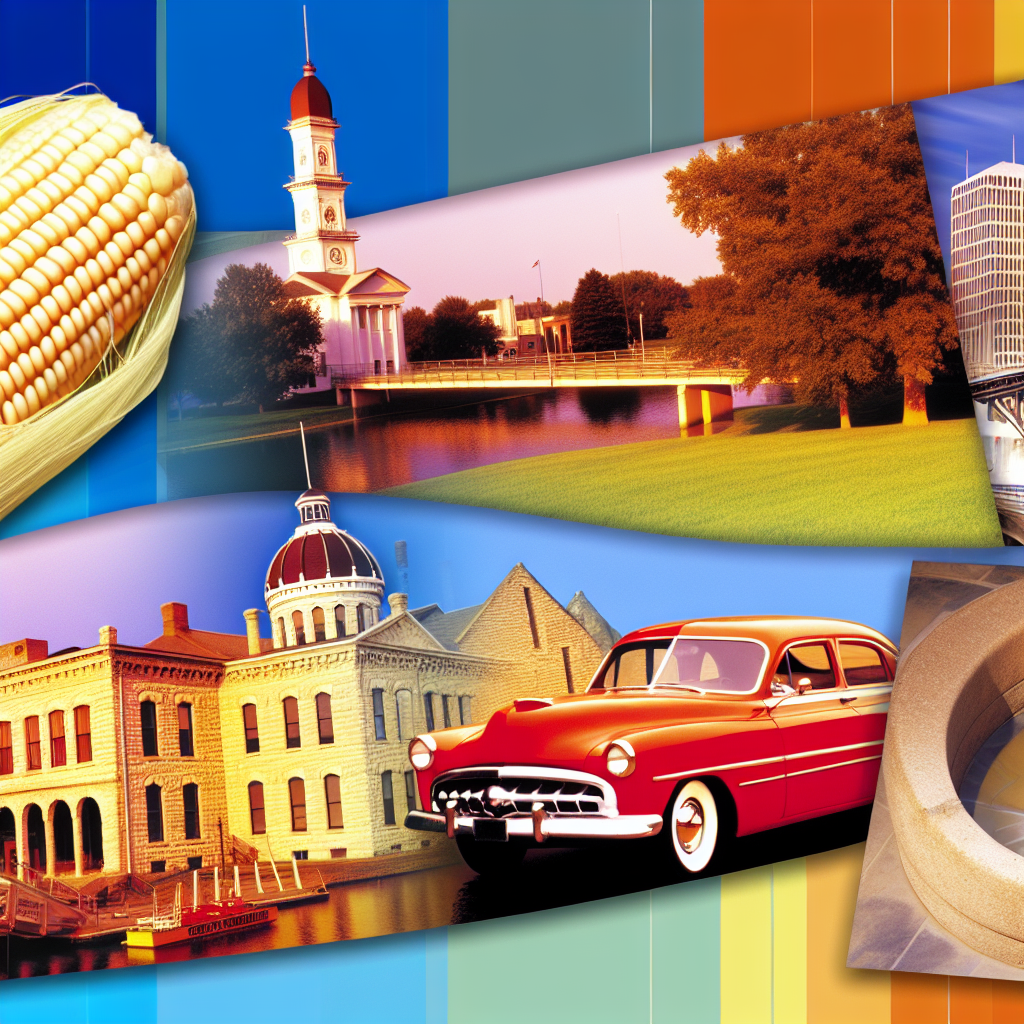
Historical sites in Indiana offer an intriguing glimpse into the rich tapestry of Indiana history, showcasing the state’s profound heritage and significant landmarks. With each site telling a unique story, visitors are invited to embark on a journey that celebrates both the triumphs and tribulations of the past. From the iconic Indianapolis Motor Speedway to the timeworn streets of New Harmony, Indiana is brimming with landmarks that resonate with historical significance. As you explore these captivating destinations, you’ll uncover the tales of pioneers, artisans, and leaders who shaped the Hoosier state. Whether you’re an avid history enthusiast or a casual traveler, visiting Indiana’s historical sites is a rewarding experience that connects you with the very roots of American culture.
As we delve into the historical landmarks of Indiana, we find ourselves at the intersection of culture and legacy. These key attractions not only reflect the state’s pioneering spirit but also preserve the stories of those who came before us. Each location serves as a living museum, commemorating the events that have defined Indiana throughout the years. From the battles fought on the Tippecanoe Battlefield to the serene beauty of Spring Mill State Park, there’s a multitude of experiences awaiting those who take the time to discover Indiana’s captivating past. Prepare to be transported through time as we explore the remarkable historical sites that await your visit.
The Legacy of the Indianapolis Motor Speedway
The Indianapolis Motor Speedway (IMS) stands as a monument to motor racing, not only in Indiana but across the globe. Established in 1909, it has become synonymous with the Indianapolis 500, an event deeply woven into the fabric of Indiana culture. The speedway’s history is rich with stories of innovation and rivalry, with countless legends of drivers who have left their mark on the sport. Visitors can appreciate the heritage of this iconic venue through the Indianapolis Motor Speedway Museum, which showcases various artifacts from its storied past.
IMS has evolved from its early days of wooden track surfaces to become the world’s largest spectator sporting facility. The evolution reflects the changing landscape of motor racing and Indiana’s role in its development. As you explore the grounds, you’ll encounter numerous landmark features such as the famous Yard of Bricks, which commemorates the racing tradition. IMS is not just a racetrack; it represents a vibrant aspect of Indiana heritage, attracting thousands of visitors each year who come to immerse themselves in its history.
Visiting the Benjamin Harrison Presidential Site
The Benjamin Harrison Presidential Site offers a glimpse into the life and times of one of Indiana’s most notable figures. Located in the heart of Indianapolis, this historic residence was the home of President Harrison and retains many original artifacts that narrate his legacy. The Victorian architecture of the house is a sight to behold, providing a picturesque backdrop for a journey into the complexities of country governance during the late 19th century. Guided tours draw in history enthusiasts and those curious about Indiana’s political evolution.
As part of your visit, you will encounter fascinating stories about President Harrison’s time in office, including his stance on civil rights and economic modernization. The narrative of his presidency is not singular; it reflects broader themes in Indiana history and American society during that era. Visitors leave enriched by the experience, gaining a deeper understanding of how Indiana landmarks like the Harrison Site have contributed to the nation’s discourse.
Exploring the Historical Significance of Cataract Falls
Cataract Falls is not just Indiana’s largest waterfall; it stands as a historical landmark that has been a source of recreation and industry since the early 19th century. Known for its breathtaking natural beauty, this site has been popular among locals and travelers alike, who sought its majestic views and serene surroundings. The falls were an essential site for early settlers, who utilized the water power to establish various timber-related enterprises that laid foundations for the region’s development.
Today, Cataract Falls serves as a prime example of how natural beauty and historical development are intertwined in Indiana. Visitors come to not only experience its magnificence but also to learn about the industrial past that shaped this area. The tranquil environment allows for reflection on the natural resources that have played a significant role in Indiana history and heritage.
The site is also part of the larger Gathright Historic District, indicating its importance in the state’s ecological and industrial narratives. Hiking trails and picnic spots around the falls present an opportunity for outdoor enthusiasts to explore and connect with Indiana’s past in a truly immersive way.
The Lincoln Boyhood National Memorial Experience
The Lincoln Boyhood National Memorial serves as both a tribute to President Abraham Lincoln and a historical site of profound significance. Situated in Lincoln City, Indiana, this site commemorates Lincoln’s formative years, where he spent 14 years during his youth. Here, visitors can see reconstructed pioneer cabins that illustrate life in the early 1800s, providing context to the challenges and triumphs of Lincoln’s upbringing. The visitor center includes exhibits that detail his journey from a frontier boy to the President who would lead the nation through its most trying times.
Visiting this memorial offers an intimate look at the values and experiences that shaped Lincoln’s character and leadership style. The site not only informs about Lincoln’s personal history but also reflects broader themes of American resilience and progress. Educational programs and guided tours enhance the experience, allowing visitors to engage deeply with Indiana’s role in shaping one of America’s greatest leaders.
Discovering the Indiana Statehouse and Its History
The Indiana Statehouse stands as a beacon of historical significance and architectural beauty in Indianapolis. Completed in the late 19th century, the Statehouse showcases a rich blend of classical architectural styles that reflect the aspirations of its time. The building has housed the Indiana General Assembly and serves as a repository of historical artifacts that narrate the legislative journey of the state. Visitors to the Statehouse can take advantage of free guided tours that bring Indiana history to life through the stories behind its halls.
Within the Indiana Statehouse, the grand Rotunda and dome feature stunning murals that depict various aspects of Indiana’s history. These visual narratives offer insights into local heritage and showcase the prominent figures who have shaped the state’s governance. The Indiana Statehouse is more than a seat of power; it is a monument to democracy and the rule of law, inviting every visitor to reflect on the importance of civic engagement in local history.
The Pioneer Life at Historic Spring Mill State Park
At Spring Mill State Park, you can step back in time to the 1800s and experience the life of early Indiana settlers. This living history museum is home to a fully restored pioneer village, complete with costumed interpreters who offer demonstrations of traditional crafts and daily routines. The park is designed to educate visitors on the self-sufficient lifestyle of pioneer families, highlighting skills such as blacksmithing, weaving, and farming. This immersive experience serves as a unique way to connect with Indiana’s heritage and its agricultural roots.
Additionally, Historic Spring Mill State Park showcases a functioning gristmill, one of the few left in Indiana, which offers visitors a hands-on learning experience. The combination of natural trails and historical structures provides a picturesque environment to explore the state’s rural history. As you wander through the village, the emphasis on community and the cooperative spirit of early Hoosiers comes to life, deepening your appreciation for Indiana’s cultural and historical narrative.
Understanding the Impact of the Tippecanoe Battlefield
The Battle of Tippecanoe, fought in 1811, remains a pivotal event in Indiana’s military history, marking a significant confrontation between American forces and Native American tribes. The Tippecanoe Battlefield Historical Site in Lafayette commemorates this conflict and provides insight into the causes and consequences of this battle. A visitor center enhances the experience by offering exhibits that delve into the historical context surrounding the conflict, and how it reflects the broader struggles of Native American tribes during westward expansion.
This site stands as a reminder of the courage exhibited by those who fought and the complexities surrounding territorial disputes in early America. Visiting the battlefield allows individuals to gain a deeper understanding of Indiana history, and the narratives that still resonate today about sovereignty and cultural heritage. Memorials and educational programs hosted at the site contribute to historical awareness and preservation of Indiana’s rich legacy.
Frequently Asked Questions
What are the top historical sites in Indiana worth visiting?
Indiana boasts numerous historical sites, including the Indianapolis Motor Speedway, the Benjamin Harrison Presidential Site, and the Lincoln Boyhood National Memorial. Each of these landmarks offers a unique glimpse into Indiana’s rich history and heritage.
How can I learn about Indiana’s history through its historical sites?
Visiting historical sites in Indiana, such as Conner Prairie and the Indiana Statehouse, provides engaging experiences to learn about the state’s past. Guided tours and interactive exhibits offer visitors insights into significant events and figures in Indiana history.
What is the significance of the Lincoln Boyhood National Memorial in Indiana heritage?
The Lincoln Boyhood National Memorial is significant as it commemorates the early life of President Abraham Lincoln, who spent 14 formative years in Indiana. This site offers visitors a deeper understanding of Lincoln’s background and the cultural heritage of early Indiana.
Where can I find living history experiences in Indiana?
Indiana’s living history sites like Conner Prairie and Spring Mill State Park offer immersive experiences that showcase pioneer life and historical events. Visitors can participate in hands-on activities and learn about Indiana’s historical lifestyle and customs.
Why is the Indianapolis Motor Speedway considered a historical landmark in Indiana?
The Indianapolis Motor Speedway, built in 1909, is a historic landmark in Indiana famous for hosting the Indianapolis 500, one of the oldest motorsport events in the world. It represents a significant part of Indiana’s racing heritage and culture.
What makes Cataract Falls a noteworthy site in Indiana’s history?
Cataract Falls is Indiana’s largest waterfall and has historical significance dating back to the 1820s when it was a popular picnic area. It played a role in local industry and continues to attract visitors who appreciate its natural beauty alongside its historical context.
How does the Tippecanoe Battlefield reflect Indiana’s heritage?
The Tippecanoe Battlefield is a key site in Indiana’s heritage as it marks the location of the 1811 Battle of Tippecanoe, which was pivotal in the conflict between American forces and Native Americans. The preserved site and its museum highlight the historical importance of this battle in shaping Indiana’s history.
| Historical Site | Location | Key Highlights | Historical Significance |
|---|---|---|---|
| Indianapolis Motor Speedway | Indianapolis | Home of the Indy 500, Racetrack Museum | Historic racetrack since 1909, iconic motorsport venue. |
Summary
Historical sites in Indiana showcase the rich tapestry of the state’s past, reflecting significant events and cultural milestones. Beginning with the establishment of the Indianapolis Motor Speedway in 1909, Indiana has celebrated its identity with key landmarks that narrate the stories of notable figures and events, such as the Benjamin Harrison Presidential Site and the Lincoln Boyhood National Memorial. The early 1800s introduced important battlegrounds like the Tippecanoe Battlefield and community transformations like New Harmony, establishing cultural hubs that shaped the local heritage. As we traverse into the 20th century, vibrant sites like Conner Prairie emerged, promoting interactive historical experiences. Each of these locations serves as a testament to Indiana’s evolution over time, urging us to engage with and appreciate the profound historical narratives embedded in the very fabric of the state.