
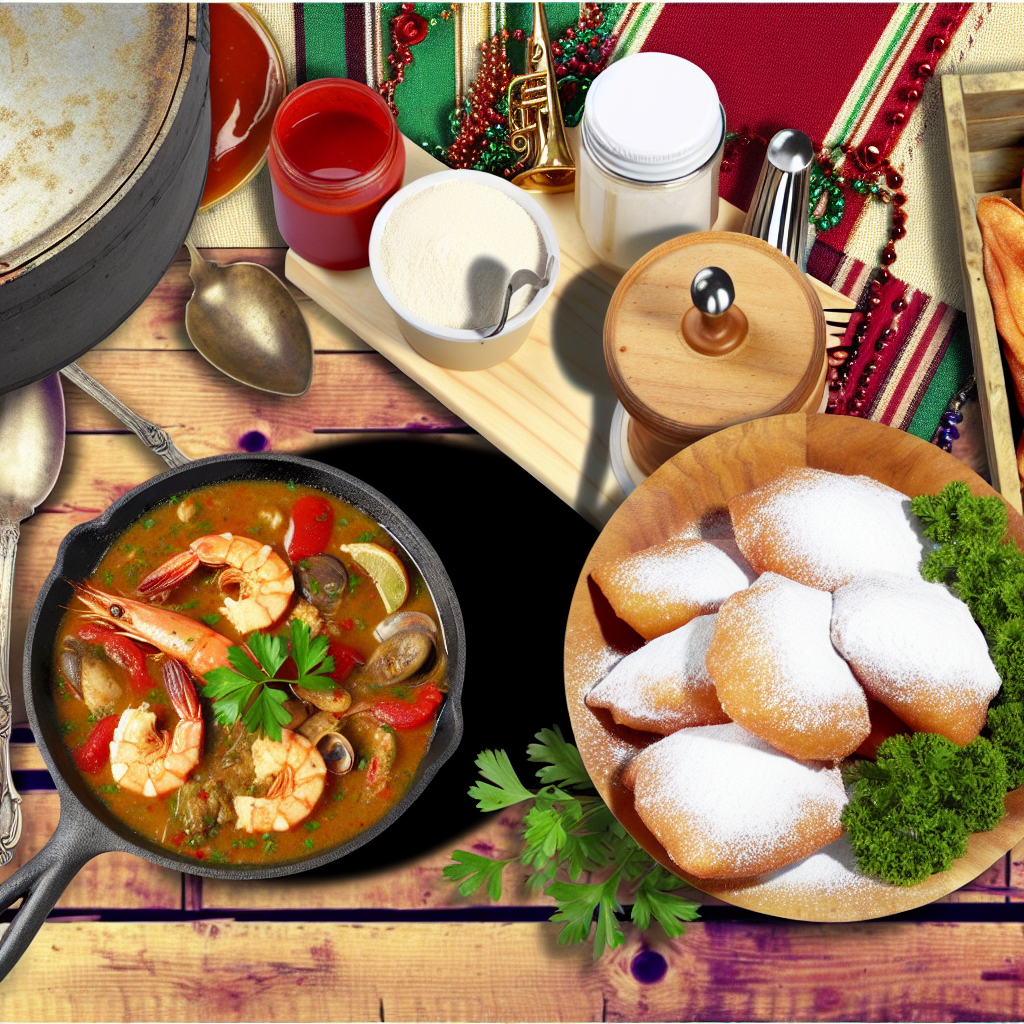
Louisiana cuisine is a vibrant tapestry woven from the rich cultural heritage of the region, showcasing an exceptional blend of flavors and techniques. Often characterized by its Creole and Cajun influences, Louisiana cuisine delights food lovers with iconic dishes like gumbo, jambalaya, and the famous crawfish boil. As you explore the culinary landscape, you’ll encounter delicious beignets that melt in your mouth and robust po’boys filled to the brim with fried seafood or savory meats. This unique Southern cooking experience highlights the state’s history and creativity, making it a must-try for anyone curious about New Orleans food. Prepare your taste buds for a delicious adventure through Louisiana’s culinary delights!
The culinary art of Louisiana, deeply rooted in a diverse cultural history, offers a mouthwatering exploration of Southern cooking at its finest. With influences ranging from French and Spanish to African traditions, dishes such as gumbo and jambalaya truly represent the essence of this region’s flavor profiles. Known for its unique blend of ingredients and seasoning, Louisiana cuisine captures the hearts of both locals and visitors alike. Whether celebrating a festive crawfish season or enjoying sweet beignets at a bustling café, this rich gastronomic landscape provides an unforgettable culinary journey. The creativity and passion behind each dish make Louisiana’s food culture a remarkable celebration of taste and tradition.
The Cultural Tapestry of Louisiana Cuisine
The cuisine of Louisiana is a melting pot of cultures that reflects the rich history of the state. Early French settlers introduced sophisticated dining customs and high-quality ingredients, while Spanish colonizers added their unique spices and cooking techniques. These influences were further enhanced by African culinary traditions, which emphasized community and flavor, leading to dishes that tell stories of their origins. Each meal served is not just food; it is a tangible connection to the diverse cultural heritage of Louisiana.
As the years went by, the culinary landscape continued to evolve, absorbing flavors from Native American cooking and later, Italian and German immigrants. This constant evolution is why Louisiana cuisine is often celebrated for its creativity and adaptability. It shows how food can serve as a bridge between cultures, bringing people together to share in a collective experience that transcends time and tradition.
Gumbo: The Soul of Louisiana Cooking
Gumbo, often regarded as the quintessential dish of Louisiana cuisine, showcases the state’s ability to combine flavors in unexpected ways. Traditionally started with a roux, this savory stew incorporates meats, seafood, and the Holy Trinity of vegetables: onions, celery, and bell peppers. The dish is deeply rooted in Louisiana’s history, with origins tracing back to the Native American influence and the African heritage that introduced okra as a thickening agent. Each family often has their own variation on gumbo, creating a sense of both community and individuality.
Over time, gumbo has transitioned from a humble one-pot dish to a celebrated symbol of Louisiana’s culinary identity. This evolution highlights how tradition can adapt while preserving essential flavors and techniques. Festivals dedicated to gumbo, like the annual gumbo cook-off, illustrate its cultural significance and invite both locals and tourists alike to indulge in this beloved dish.
Exploring Jambalaya: A Flavorful Fusion
Jambalaya stands as a testament to the blending of culinary influences in Louisiana. This one-pot dish, which beautifully combines rice with a variety of meats—such as chicken, sausage, and seafood—boasts a complex flavor, heavily influenced by Spanish paella. Each bite presents an explosion of spices and ingredients that reflect the creativity cherished in Cajun cooking. The choice of spices such as cayenne and thyme not only enhances the dish but showcases the agricultural richness of the region.
As jambalaya became a staple in various households, it also found its way into local celebrations, illustrating its place in Louisiana’s festivities. Today, different variations of jambalaya are created, from the more traditional Creole-style to the smoky Cajun rendition, making it a versatile meal that embodies the spirit of Louisiana’s diverse cuisine.
Crawfish Boil: A Seasonal Celebration
Crawfish boils are much more than just a meal; they are a vibrant social event that epitomizes Louisiana’s communal spirit. Typically occurring from late winter to early summer, these gatherings bring families and friends together to enjoy fresh crawfish seasoned to perfection with zesty Cajun spices. During these events, large pots bubble away with crawfish, corn, and potatoes, transforming the preparation of food into an engaging communal activity.
The act of peeling crawfish, sharing stories, and savoring the flavors is deeply rooted in Louisiana culture. Crawfish boils reflect not only the culinary delights of the state but also the significance of community and celebration, turning a simple meal into a cherished tradition that is eagerly anticipated each year.
Indulging in Beignets: A Sweet Louisiana Tradition
Beignets are a delightful representation of the French influence on Louisiana cuisine, offering a sweet ending to any meal. These fluffy, deep-fried pastries dusted with powdered sugar have become synonymous with New Orleans, where visitors flock to famous spots like Café du Monde to indulge in their light, airy texture and sweet flavor. Beignets are often enjoyed alongside a steaming cup of café au lait, making them a beloved breakfast treat across the city.
However, the appeal of beignets goes beyond just taste; it embodies the joyful spirit of Louisiana’s culture. From family gatherings to local festivals, beignets bring people together, inviting them to partake in a shared experience that celebrates the sweetness of life in the Crescent City. Their universal appeal illustrates how Louisiana cuisine can enchant people from all walks of life.
Frequently Asked Questions
What are the key ingredients in Louisiana gumbo?
Louisiana gumbo is a savory stew typically made with a thick roux and a combination of ingredients including the “Holy Trinity” of bell peppers, celery, and onions. It often features meats like chicken and sausage or seafood such as shrimp and crab, all served over rice. The unique blend of spices gives gumbo its distinctive flavor, embodying the essence of Louisiana cuisine.
How does jambalaya differ from other Louisiana dishes?
Jambalaya is a one-pot dish that combines rice with a variety of meats, seafood, and vegetables, making it different from traditional dishes like gumbo, which is a stew. This Louisiana dish has roots in Spanish paella and is characterized by its bold spices and flavors that showcase the diversity of Louisiana cooking.
What is a crawfish boil and why is it popular in Louisiana?
A crawfish boil is a communal feast where crawfish is boiled with potatoes, corn, and Cajun seasoning, celebrating Louisiana’s seafood culture. This seasonal event, usually held from late winter to early summer, brings friends and family together for an interactive dining experience that highlights the social aspect of Louisiana cuisine.
Where can I find the best beignets in Louisiana?
The best beignets can be found at Café du Monde in the French Quarter of New Orleans. These fluffy pastries, deep-fried and dusted with powdered sugar, are a quintessential part of Louisiana food culture, often enjoyed alongside coffee during breakfast.
What makes po’boys unique in Louisiana cuisine?
Po’boys are unique sandwiches that showcase Louisiana’s culinary creativity. They are typically made with French bread filled with fried seafood like shrimp or oysters, or meats such as roast beef, complemented by fresh vegetables and sauces. This iconic Louisiana dish reflects the resourcefulness and flavor profile of the region’s cooking.
| Dish | Description | Cultural Significance |
|---|---|---|
| Gumbo | A savory stew made with a flavorful roux, vegetables, and meats/seafood. | Represents the heart of Louisiana cooking and is often personalized by households. |
Summary
Louisiana cuisine is a vibrant tapestry woven through centuries of history and cultural exchanges. In its early years, French settlers introduced refined cooking styles which, when mingled with the spices and methods brought by Spanish colonizers, set the groundwork for what was to come. Following the arrival of African slaves, who shared their culinary expertise, Louisiana began to showcase a unique gastronomic identity that captivated many. As time progressed, dishes like gumbo and jambalaya emerged, reflecting the state’s diverse influences and community spirit. With crawfish celebrations marking the seasons and beignets enchanting visitors in New Orleans, the cuisine continues to evolve, celebrating its roots through food festivals that honor tradition. Today, Louisiana cuisine stands as a testament to the state’s rich heritage, enticing both locals and tourists alike to savor its flavors.