
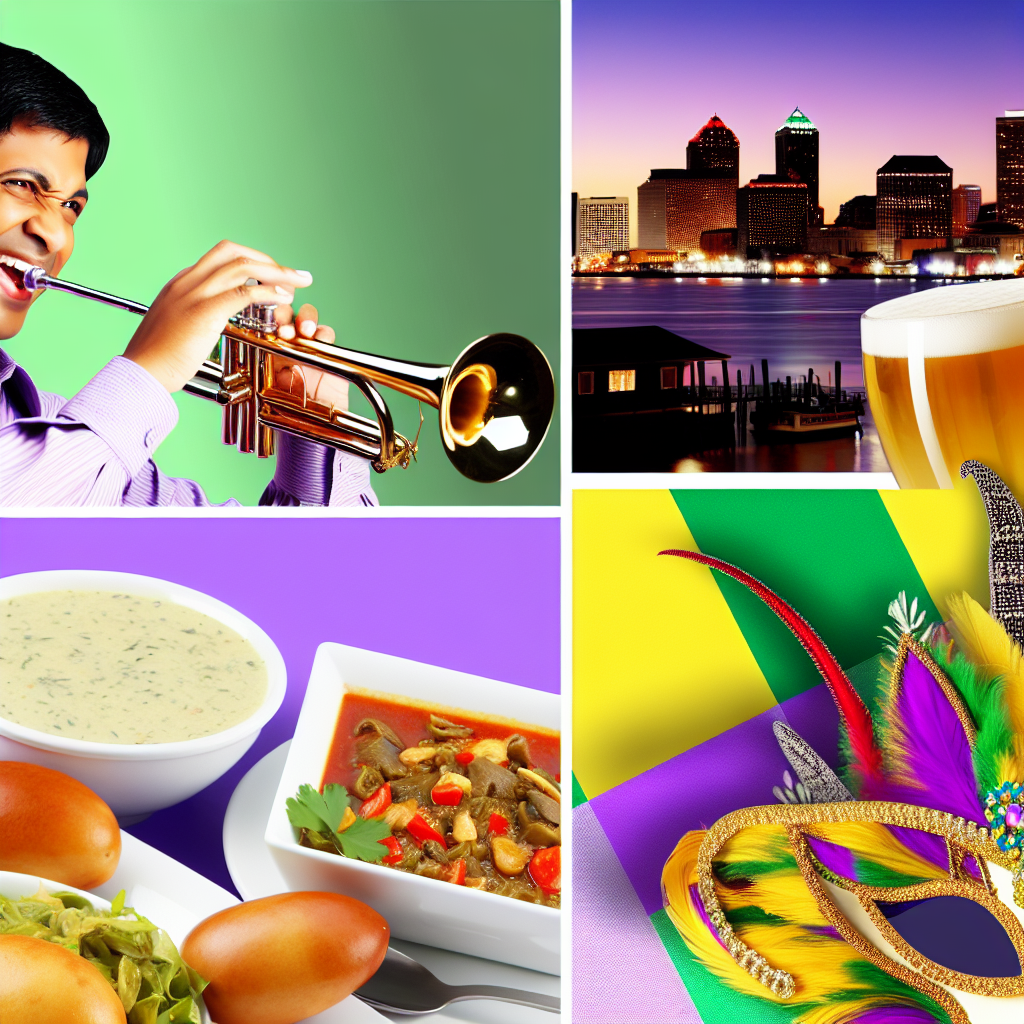
Louisiana culture is a vibrant tapestry woven from a rich historical backdrop and diverse influences that make the state unique. From the lively Cajun traditions celebrated in the bayous to the mouth-watering Creole food found in the streets of New Orleans, Louisiana’s identity is marked by its multicultural roots. The music scene is a cornerstone of Louisiana culture, with jazz and blues pulsating through its cities, illustrating the deep connections to its historical narratives. Annual Mardi Gras celebrations epitomize the spirited nature of the state, inviting locals and tourists alike to revel in its colorful festivities. As we explore the nuances of Louisiana culture, we’ll uncover the stories tied to its heritage, showcasing a blend of history, culinary delights, and musical rhythms that continue to thrive today.
Exploring the cultural landscape of Louisiana reveals a distinctive identity that is an amalgam of various traditions and influences. This southern state, rich in folklore and artistic expression, embodies a unique mix of both Cajun and Creole elements that contribute to its allure. The culinary scene paints a delicious picture with dishes crafted from generations of heritage, while the musical influences draw from the heartfelt rhythms of New Orleans. Celebratory events, particularly during Mardi Gras, highlight the community’s enthusiasm and unity, bringing together people from diverse backgrounds. Immersing oneself in this colorful cultural milieu offers a thrilling journey through the deep historical and social fabric that makes Louisiana so enchanting.
The Compelling History of Louisiana
To truly appreciate the depths of Louisiana culture, it is essential to delve into its captivating history. Established as a French colony in 1682, Louisiana’s roots run deep, influenced heavily by its initial French settlers who brought with them their language and culinary traditions. The arrival of enslaved Africans in the 18th century introduced a wealth of cultural practices and skills, enriching the social and culinary landscape. This early blend of French and African influences is pivotal in understanding the state’s vibrant traditions today.
In 1803, the impact of the Louisiana Purchase marked a significant turning point. This event not only expanded the United States but also set the stage for an influx of new cultures, including Irish, German, and Italian immigrants. Each group integrated their customs and dialects, further diversifying the cultural mosaic of Louisiana. Their unique contributions continue to resonate within the state’s music, food, and celebrations, weaving a rich tapestry that illustrates the enduring legacy of its multifaceted history.
Cajun Traditions: A Deep Dive into Louisiana’s Heritage
Cajun traditions are a cornerstone of Louisiana’s identity, originating from the Acadian people who were exiled from Canada in the 18th century. Settling primarily in the bayou regions, Cajuns developed a distinctive culture that thrives on community, storytelling, and a connection to the land. Their unique French dialect, vibrant folklore, and deep-rooted culinary practices, including staples like gumbo and boudin, embody a way of life that is celebrated and preserved by generations.
Festivals dedicated to Cajun culture are commonplace in Louisiana, presenting an opportunity for enthusiasts to engage with traditional music, food, and dance. Events such as the World Championship Crawfish Etouffee Cook-Off not only celebrate Cajun culinary prowess but also emphasize the community bonds found within Cajun culture. The vibrancy of Cajun life is not just seen in festivals; it enriches daily existence for many Louisianans, preserving a cultural identity that flourishes through both hardship and celebration.
Delicious Creole Food: A Culinary Exploration
Creole food represents a dynamic fusion of the diverse cultures that have influenced Louisiana’s culinary landscape. Emerging from the blending of French, Spanish, African, and Native American influences, Creole cuisine features bold flavors and intricate recipes that reflect the state’s rich history. Dishes like shrimp creole and jambalaya highlight the use of local ingredients and spices, creating unique meals that tell stories of Louisiana’s heritage with each bite.
The culinary arts are celebrated in Louisiana through a variety of food festivals, such as the New Orleans Food and Wine Experience, where both locals and tourists can partake in the vibrant food scene. Through these festivals, participants can taste the delightful nuances of Creole food and engage with the cultural narratives they represent, further deepening their appreciation for Louisiana’s rich culinary heritage.
New Orleans: The Musical Soul of Louisiana
New Orleans is often regarded as the musical heartbeat of Louisiana, known for its rich history and diverse musical genres that have gained international acclaim. Jazz, born in the late 19th century and deeply intertwined with the city’s culture, showcases an evolution of sounds that draws from African, European, and Caribbean influences. Icons like Louis Armstrong helped elevate Louisiana’s musical identity, ensuring its place in both local and global contexts.
Each spring, the New Orleans Jazz & Heritage Festival draws in crowds from around the world, celebrating this dynamic musical legacy. Beyond jazz, genres like Cajun and Zydeco also find their home here, highlighting the blend of traditions that define Louisiana’s cultural fabric. Through these festivals and live performances, the spirit of Louisiana music continues to thrive, inviting new generations to appreciate and participate in its joyous expression.
Mardi Gras: A Celebration of Culture and Community
Mardi Gras stands out as one of Louisiana’s most iconic celebrations, drawing visitors to partake in its colorful festivities that encapsulate the essence of Louisiana culture. Originating from European Catholic traditions, Mardi Gras has evolved into a spectacular celebration featuring parades, masquerade balls, and vibrant street parties. From Epiphany through Fat Tuesday, the festival showcases the creativity of its revelers, with elaborate floats and costumes that narrate the rich history of Louisiana.
The cultural significance of Mardi Gras extends beyond mere celebration; it fosters a sense of community and unity among participants. Local artisans, chefs, and musicians often come together to contribute, showcasing the depth of Louisiana’s cultural production. The celebration, which draws on diverse influences from the state’s various communities, serves as a powerful reminder of the shared heritage that unites residents in Louisiana.
Frequently Asked Questions
What are some key influences in Louisiana culture?
Louisiana culture is a vibrant tapestry woven from diverse influences, including French, Spanish, African, Native American, and Caribbean traditions. These cultures shape Louisiana’s rich history, culinary practices, and festive celebrations, making it a one-of-a-kind destination in the United States.
How do Cajun traditions differ from Creole culture in Louisiana?
Cajun traditions primarily stem from the French-speaking Acadian exiles in rural areas, characterized by their folk music, cuisine, and unique dialect. In contrast, Creole culture represents a more urban blend of French, Spanish, and African influences, often reflected in a diverse culinary landscape and social customs prevalent in Louisiana’s cities, especially New Orleans.
What is the significance of Mardi Gras in Louisiana culture?
Mardi Gras is a major celebration in Louisiana, particularly known for its extravagant parades, masquerade balls, and vibrant street parties. This festival, lasting until Fat Tuesday, showcases Louisiana’s rich cultural heritage, reflecting its European Catholic roots along with local artistry and community spirit unique to the state.
What types of music are central to Louisiana’s cultural identity?
Music is integral to Louisiana culture, with genres such as jazz, blues, zydeco, and Cajun music being particularly significant. Originating from New Orleans, jazz is celebrated globally, while zydeco and Cajun music reflect local traditions and are often performed at festivals, emphasizing the state’s dynamic musical heritage.
What foods are essential to understanding Louisiana’s culinary culture?
Louisiana’s culinary culture is epitomized by dishes like gumbo, jambalaya, and crawfish étouffée, which highlight the fusion of Creole and Cajun flavors. Each bite tells a story of the state’s history, influenced by various cultures, making the cuisine a vital aspect of Louisiana’s identity and cultural offerings.
| Key Points | Details |
|---|---|
| Historical Background | Founded as a French colony in 1682, Louisiana’s culture is shaped by French influence, the introduction of enslaved Africans, and the Louisiana Purchase of 1803 which brought new ethnic contributions. |
| Blend of Cultures | A melting pot where African, French, Spanish, Native American, and Creole traditions coexist. Distinctions are made between Cajun (rural, French-speaking roots) and Creole (urban, multicultural fusion) cultures. |
| Music | Jazz, blues, zydeco, and Cajun music reflect Louisiana’s diverse heritage. Notable events like the New Orleans Jazz & Heritage Festival showcase this musical legacy. |
| Culinary Influences | Creole and Cajun cuisines, featuring dishes like crawfish étouffée, jambalaya, and gumbo, showcase the state’s rich flavors and cultural stories. |
| Festivals | Mardi Gras, New Orleans Jazz & Heritage Festival, and the French Quarter Festival highlight Louisiana’s vibrant spirit and cultural expressions through celebrations. |
| Arts | Visual arts and literature thrive, with institutions like the New Orleans Museum of Art and notable authors deriving inspiration from Louisiana’s culture. |
Summary
Louisiana culture stands as a testament to its rich historical tapestry, weaving together various influences over centuries. It began with the establishment of a French colony in 1682 and grew through the introduction of enslaved Africans, each contributing to the unique cultural blend that defines the state today. By the early 19th century, the Louisiana Purchase further transformed the landscape, welcoming waves of European immigrants whose customs invigorated local traditions. Now, the culture is celebrated through vibrant music festivals, culinary delights, and artistic expressions, showcasing a dynamic heritage that continues to evolve. Today, exploring Louisiana culture is not just about acknowledging its past, but also about participating in the living narrative that adds to its ongoing story.