
Massachusetts history is a captivating tapestry woven from its critical role in the early days of America. Known for significant landmarks like the Boston Freedom Trail and Plymouth Rock, this state is a testament to the struggles and triumphs of the nation. The infamous Salem witch trials highlight its complex socio-cultural history, while the Kennedy Library offers insights into more contemporary events. Natural sites like Walden Pond provide a serene backdrop to the philosophical musings of Thoreau, further enriching the state’s heritage. With must-visit attractions such as Minute Man Park and Old Sturbridge Village, exploring Massachusetts reveals the profound impacts these historical events had on American identity.
The heritage of Massachusetts is a remarkable chronicle that begins with its early settlement and numerous pivotal events that helped shape the United States. From iconic locations like the tea-stained shores of Boston, where the Boston Tea Party sparked a revolution, to the societal upheavals seen in central Salem, the state offers a dynamic exploration of American narrative. Institutions like the Kennedy Presidential Library serve as a gateway into modern political history, while the tranquil setting of Walden Pond invites reflections inspired by literary giants. By visiting these key sites, one can appreciate the intricate stories behind Massachusetts’ cultural evolution, making it an essential destination for anyone interested in American history.
The Significance of Massachusetts History in American Culture
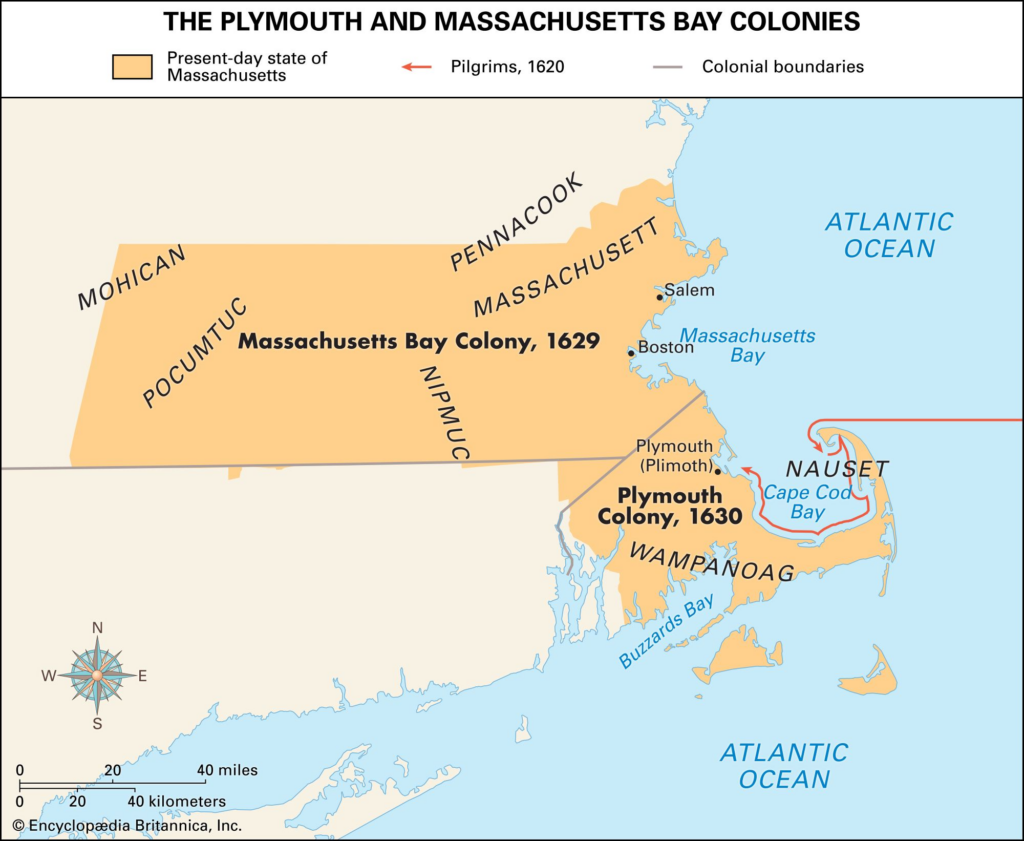
Massachusetts history holds a significant place in the larger context of American culture, often acting as a microcosm of the nation’s timeline. The state’s journey from early indigenous settlements through the arrival of the Pilgrims at Plymouth Rock in 1620 to the fierce debates and battles of the American Revolution showcases the evolution of American ideals and democracy. Landmarks such as the Boston Freedom Trail commemorate this timeline, highlighting critical events such as the Boston Tea Party, which was a defining moment that galvanized the colonies into a united front against British rule.
Additionally, Massachusetts served as the birthplace of many influential movements and figures that shaped American society. For instance, the Salem witch trials of 1692 not only reflect the social and cultural tensions of colonial America but also paved the way for discussions about civil rights and justice. As America moved into modernity, places like the Kennedy Library became vital in understanding the political and social challenges of the 20th century, illustrating how Massachusetts continues to impact the national narrative.
Exploring the Historic Boston Freedom Trail
The Boston Freedom Trail is a remarkable 2.5-mile journey through time that connects 16 historic sites in Boston, making it a must-visit for anyone interested in Massachusetts history. Starting at the Boston Common, the trail leads visitors through pivotal locations such as the Massachusetts State House and the Old Granary Burying Ground, where prominent figures like Paul Revere are laid to rest. Each stop offers unique insights into the events that unfolded during the American Revolution, allowing visitors to walk in the footsteps of revolutionaries.
As you traverse the trail, the stories of oppression, resilience, and the fight for independence come alive, resonating deeply with the struggles that many still face today. The guided tours provide a richer understanding of the context surrounding each site, including the Boston Tea Party’s bold defiance against taxation. Exploring the Freedom Trail not only educates about the past but reinvigorates the commitment to the principles of liberty and justice that the early colonists fought for.
The Historical Impact of Plymouth Rock and the Pilgrims
Plymouth Rock stands as one of Massachusetts’ most emblematic symbols, marking the landing site of the Pilgrims in 1620. While the rock itself may be modest, the monumental significance lies in the ideals and aspirations the Pilgrims brought with them to the New World. This journey signified not only the search for religious freedom but also the courage to start anew in a foreign land. Visitors at Plymouth can explore the Mayflower II replica, which provides a visceral understanding of the challenges the original settlers faced on their voyage.
The impact of this legendary landing resonates throughout American history, as it laid the groundwork for the establishment of one of the first democratic societies in the western world. The traditions and hardships faced by the Pilgrims are celebrated annually during Thanksgiving, illustrating the enduring legacy of their journey. The surrounding area, rich with history and culture, also serves as a reminder of the resilience of the early settlers as they navigated their new life in America.
Salem’s Haunting Legacy: Witch Trials and Maritime History
Salem, best known for the infamous witch trials of 1692, offers a unique glimpse into the complexities of colonial life in Massachusetts. The Salem Witch Museum provides profound insights into this dark chapter of history, showcasing how fear and superstition led to tragic consequences. Visitors can delve into the tales of those accused and the societal dynamics that fueled the witch hunts, making it an essential stop for those wishing to understand the historical context surrounding individual rights and justice.
Beyond the horrors of the witch trials, Salem is also a city with a rich maritime history, reflecting its significance as a bustling port. The House of the Seven Gables, immortalized by Nathaniel Hawthorne, invites exploration of its ties to Salem’s seafaring past while emphasizing the importance of literature in shaping American identity. Through its fascinating blend of eerie past and historical relevance, Salem serves as a poignant reminder of the past’s complexities and enduring lessons.
Revolutionary History at Minute Man National Historical Park
Minute Man National Historical Park is a pivotal location where the first shots of the Revolutionary War were fired in 1775, marking the start of America’s fight for independence. Stretching across Lexington and Concord, this park pays homage to the bravery of the Minutemen who stood up against British forces. With reenactments and guided tours, visitors can relive this historic moment and appreciate the valor and determination that propelled the colonies toward self-governance, demonstrating how Massachusetts played a critical role in shaping the nation.
The park is not just a battlefield; it also provides educational opportunities about the broader implications of the war on American identity. Visitors can explore various monuments honoring the soldiers’ sacrifice and reflect on the ideals of freedom and democracy that they fought to protect. Minute Man National Historical Park encapsulates the spirit of resilience and unity that defines Massachusetts’ contribution to American history.
Frequently Asked Questions
What are the significant historical sites along the Boston Freedom Trail?
The Boston Freedom Trail is a 2.5-mile path that highlights 16 critical historical sites in Massachusetts. Key landmarks include the Massachusetts State House, Paul Revere’s House, and Old North Church. Walking the Freedom Trail provides a comprehensive look at pivotal moments in American history.
What is the significance of Plymouth Rock in Massachusetts history?
Plymouth Rock is renowned as the traditional landing site of the Pilgrims in 1620. Although it is modest in size, its historical significance as a symbol of early American settlement is immense. Nearby, visitors can explore Mayflower II, a replica ship that enhances the experience of the Pilgrims’ journey.
How do the Salem Witch Trials impact Massachusetts historical context?
The Salem Witch Trials of 1692 are a pivotal part of Massachusetts history, showcasing a dark period of fear and superstition. The Salem Witch Museum provides insights into these trials, while landmarks like the House of the Seven Gables connect to early American literature and maritime history, enriching the understanding of this era.
What can visitors expect at the Kennedy Presidential Library in Massachusetts?
The John F. Kennedy Presidential Library and Museum in Boston offers a deep dive into the life and legacy of President Kennedy. Visitors can explore interactive displays, rich archival materials, and captures the essence of 1960s America, making it a significant landmark in modern Massachusetts history.
What experiences does Old Sturbridge Village provide regarding early American life?
Old Sturbridge Village is a living history museum that replicates rural life in the 1830s in Massachusetts. Visitors can engage with costumed interpreters, observe historical farming techniques, and participate in crafting activities. It offers a unique chance to experience the daily lives and community dynamics of early American settlers.
| Landmark | Description | Significance |
|---|---|---|
| Boston Freedom Trail | A 2.5-mile path in Boston showcasing 16 historical sites. | Highlights key events in the fight for American independence. |
| Plymouth Rock | Traditional landing site of the Pilgrims in 1620. | Represents early colonial history and challenges faced by the Pilgrims. |
| Salem | Famous for the 1692 witch trials and rich maritime history. | Educational insights into witch trials and connection to literature. |
| The Kennedy Presidential Library and Museum | Museum dedicated to President John F. Kennedy’s life and presidency. | Reflects the political and cultural challenges of the 1960s. |
| Minute Man National Historical Park | Historic site of the Revolutionary War battles in Lexington and Concord. | Commemorates the valor of the Minutemen and American self-governance. |
| Walden Pond State Reservation | Famous for its association with author Henry David Thoreau. | Represents transcendentalism and a return to nature. |
| Old Sturbridge Village | A living history museum of rural New England life in the 1830s. | Interactive insights into early American life and community. |
| The Boston Tea Party Ships and Museum | Museum focusing on the Boston Tea Party event of 1773. | Engages visitors with reenactments of the revolutionary protest. |
Summary
Massachusetts history is a tapestry woven with remarkable events and landmarks that define America’s early story. Beginning with the landing of the Pilgrims at Plymouth Rock in 1620, it marked a significant moment in shaping the nation’s narrative. The rise of revolutionary sentiments hinted during the Boston Freedom Trail laid the groundwork for independence, as exemplified by the political acts witnessed at the Boston Tea Party in 1773. Over time, the Salem witch trials revealed the societal tensions of the late 17th century while locations like the Kennedy Presidential Library reflect the complexities of modern American history. Each landmark enriches the understanding of Massachusetts history, inviting all to explore the heritage that influenced the United States.