
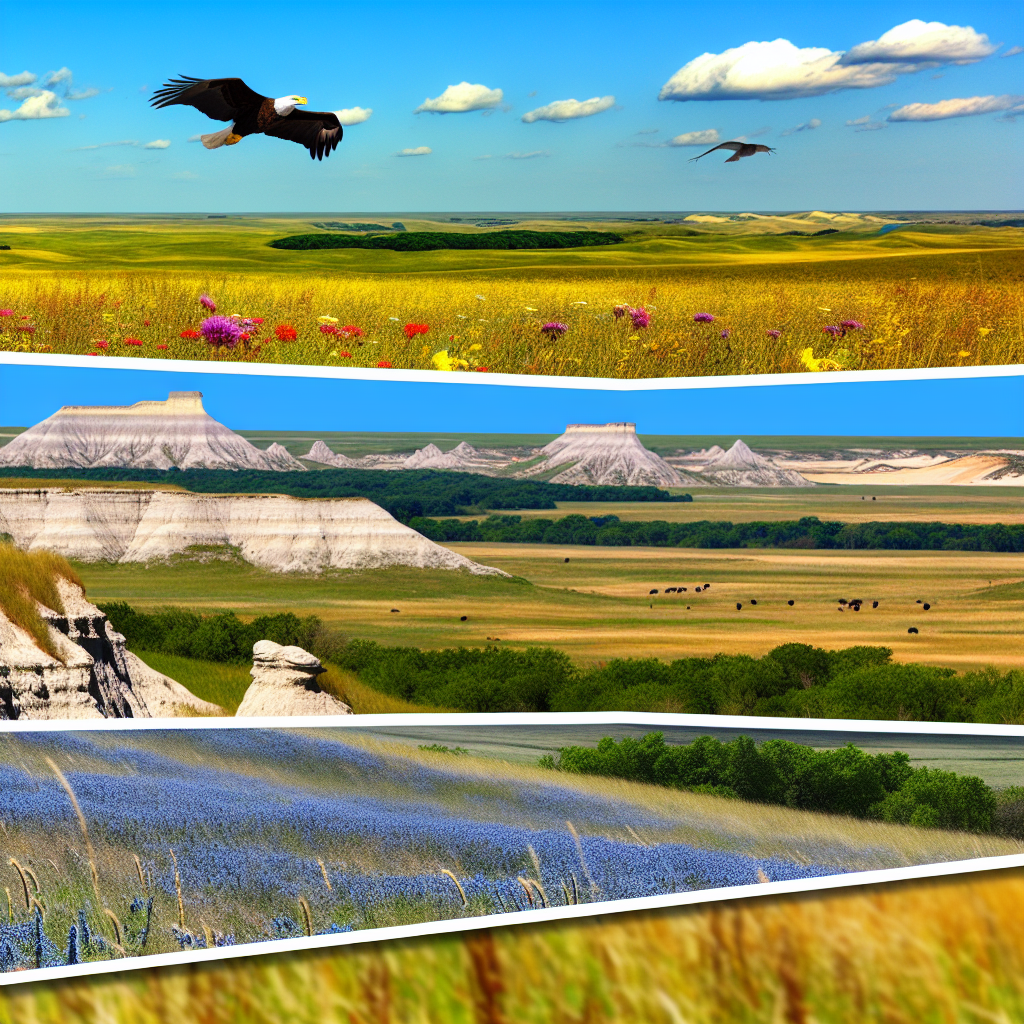
When exploring the **Diverse Landscapes of Kansas**, one quickly discovers that this state is far more than just its reputation for flat prairies. From the sweeping Tallgrass Prairie National Preserve in the Flint Hills to the enchanting Sand Hills of western Kansas, the geography here is a rich tapestry of varied terrains. Hikers and adventurers will be delighted by the contrasting environments, including the rugged beauty of the Gypsum Hills and the serene Blue Hills, each offering unique outdoor experiences. Kansas landscapes are not only picturesque but also serve as vital ecosystems teeming with diverse wildlife. This blog post will take you on a journey through these stunning landscapes, revealing opportunities for hiking, photography, and immersion in the natural world that make Kansas a true outdoor paradise for adventurers.
Kansas, often overshadowed by more famous states, showcases a remarkable range of beautiful geographical features that deserve recognition. Beginning with vast grasslands, transitioning to structured hills, and culminating in stunning lakes, the state’s natural diversity is a hidden treasure. The excitement of discovering Kansas’s varied geography can lead outdoor enthusiasts to explore its unique ecological zones – from the iconic tallgrass prairies to the serene waterways that dot the landscapes. This adventure in the heart of America will unveil landscapes that challenge the conventional perception of the state as merely flat and featureless. Prepare to uncover remarkable hiking trails, breathtaking vistas, and the true essence of Kansas’s outdoor wonders.
A Journey Through Kansas Landscapes: The Prairies
The first chapter of our exploration into the diverse landscapes of Kansas begins with the vast prairies. Known for their expansive views and rich ecosystems, these tallgrass prairies are a significant part of the state’s identity. Tallgrass Prairie National Preserve, prominently located in the Flint Hills, showcases one of the few remaining examples of this crucial habitat. As spring unfurls its colors, the prairies come alive, transforming the landscape into a vibrant tapestry filled with delicate wildflowers and waving grasses. These prairies not only provide essential habitat for various wildlife but also serve as a reminder of North America’s natural history, where large herds of bison once roamed freely across these open spaces.
As visitors traverse the hiking trails that wind through these picturesque landscapes, they are treated to a sensory experience unlike any other. The sweet fragrance of blooming flowers fills the air, while birdwatchers are rewarded with sights of eagles and owls soaring overhead. Hiking in these elements during the summer months not only offers an invigorating escape but also educates trekkers on the importance of conserving such unique ecosystems. The dynamic landscapes of the Kansas prairies stand as a testament to the natural beauty and ecological diversity that the state has to offer, making them a prime destination for nature enthusiasts.
Discovering Flint Hills: Heartbeat of Kansas
Transitioning to the Flint Hills, we encounter a region steeped in rich history and cultural significance, vital to understanding Kansas’s identity. This picturesque area is characterized by rolling hills that provide a glimpse into the state’s ranching heritage. The Flint Hills have long been known for grazing cattle among vast stretches of grassland, where the unique geography has shaped the local culture. Visitors can witness the enduring cowboy spirit at the Flint Hills Rodeo in Strong City, a thrilling celebration of Kansas’s ranching lifestyle that showcases rodeo events and an inviting community atmosphere.
The natural beauty of the Flint Hills is unmatched, where visitors can appreciate the breathtaking landscapes dotted with wildflowers during spring and early summer. Hikers can explore numerous trails, all while absorbing the panoramic views and understanding the region’s ecological importance. The convergence of nature and culture in the Flint Hills invites travelers to immerse themselves in learning about the land’s history and creating unforgettable memories in one of Kansas’s most cherished landscapes.
The Allure of the Sand Hills: Kansas’s Desert Wonderland
Heading westward into the Sand Hills unveils an enchanting and unexpected side of Kansas. This arid region is marked by its shifting sand dunes that create a stark contrast to the lush environments found in the east. The biodiversity here is surprising as it hosts various adaptive plant species and wildlife that thrive despite the challenges posed by the sandy soils. Hiking through this area can lead adventurers to discover hidden oases and intricate ecosystems that flourish in seemingly harsh conditions.
Outdoor enthusiasts will find that the Sand Hills cater to a variety of activities, ranging from hiking to wildlife observation. The rugged beauty of the dunes sets the stage for captivating photography opportunities, especially during sunset when the light casts stunning shadows across the sands. Travelers seeking solitude often find their retreat among the dunes, embracing the serene landscape that feels worlds apart from the flint and grasslands of the eastern regions of Kansas.
Unveiling the Gypsum Hills: Nature’s Hidden Gem
As we continue our journey through Kansas’s diverse landscapes, we arrive at the Gypsum Hills, often overshadowed but breathtaking in its own right. Located southwest of the Flint Hills, this region features unforgettable geological formations characterized by dramatic cliffs and canyons, with hues of red and orange that showcase the area’s mineral-rich composition. The history of the Gypsum Hills is etched in its rugged terrain, shaped over millennia by the forces of nature, offering a significant glimpse into Kansas’s geological history.
Hiking trails in the Gypsum Hills lead adventurers through this stunning landscape, where panoramic vistas can be enjoyed at every turn. Nature photographers will revel in capturing the striking contrasts found in the rock formations, making this area a perfect spot for those looking to embrace the beauty of Kansas through their lens. By bringing attention to this lesser-known gem, adventurers are invited to not just explore the hills but also to appreciate the intricate story of evolution and erosion that has crafted such remarkable scenery.
Exploring the Scenic Blue Hills: A Natural Playground
Further north, the Blue Hills welcome explorers with their captivating landscapes characterized by beautiful rolling ridges and secluded valleys. Known for their distinctive blue-green hues, the Blue Hills present a refreshing change from the previous terrains we’ve explored. Nestled within this region are numerous lakes and rivers that provide ample opportunities for fishing, canoeing, and relaxing by the water, making it an ideal destination for families and outdoor lovers alike.
Furthermore, the Blue Hills are equipped with a network of hiking trails, inviting individuals to immerse themselves in nature. Camping spots throughout the area allow visitors to connect with the tranquil surroundings, providing a perfect retreat from the hustle and bustle of daily life. The diverse recreational activities available in the Blue Hills, coupled with their stunning natural beauty, ensure that anyone venturing into this part of Kansas will leave enriched by the experience.
Frequently Asked Questions
What are the most notable landscapes to explore in Kansas?
Kansas is renowned for its diverse landscapes, including the Tallgrass Prairie National Preserve, Flint Hills, Sand Hills, Gypsum Hills, and Blue Hills. Each region offers unique outdoor adventures, from vibrant prairies filled with wildlife to rugged terrains perfect for hiking and photography.
How can I experience outdoor adventures in Kansas’s Flint Hills?
The Flint Hills region is ideal for outdoor adventures. Visitors can enjoy hiking trails that showcase its rolling hills and grassy pastures. Additionally, the annual Flint Hills Rodeo provides a glimpse into the cowboy culture and the scenic beauty of Kansas ranching.
What makes Tallgrass Prairie National Preserve a must-visit location?
Tallgrass Prairie National Preserve is significant for its expansive tallgrass ecosystems, which are home to diverse wildlife and plant species. Visitors can explore miles of hiking trails surrounded by colorful wildflowers and observe native birds like the majestic bald eagle.
Are there unique recreational activities available in the Sand Hills of Kansas?
Yes, the Sand Hills offer unique recreational activities such as photography, hiking, and wildlife observation. This area, characterized by shifting sand dunes, boasts a surprising level of biodiversity, making it a fascinating destination for nature enthusiasts.
What outdoor activities can I enjoy in the Blue Hills of Kansas?
The Blue Hills invite outdoor activities such as fishing, canoeing, camping, and hiking. With its picturesque lakes and rolling ridges, this region provides beautiful scenery and tranquil spots for recreation in Kansas’s natural landscapes.
| Landscape Type | Key Features | Activities Available |
|---|---|---|
| Prairies | Vast stretches of tallgrass prairie, home to diverse wildlife and plant species. | Hiking, bird watching, wildflower viewing. |
| Flint Hills | Rolling hills, rocky outcrops, significant cultural history. | Flint Hills Rodeo, ranch tours. |
| Sand Hills | Shifting sand dunes and unique similar ecosystems. | Hiking, photography, wildlife observation. |
| Gypsum Hills | Dramatic cliffs and geological formations with iron-rich hues. | Hiking, photography, geology exploration. |
| Blue Hills | Rolling ridges, secluded valleys, lakes and rivers. | Fishing, canoeing, camping, hiking. |
| Kansas Lakes | Sandy shores at lakes providing beach-like experiences. | Swimming, boating, fishing, sunbathing. |
Summary
Diverse Landscapes of Kansas has much more to offer than the flat prairies commonly associated with the state. Beginning with its iconic prairies, Kansas showcases a rich tapestry of landscapes, from the rolling hills of the Flint Hills to the unique ecosystems found in the Sand Hills. As you journey through the state, you’ll discover the stunning beauty of the lesser-known Gypsum Hills and the inviting Blue Hills, each with their own recreational opportunities. Finally, the serene lakes surrounded by sandy beaches provide a refreshing escape during the summer months. Kansas, in its diversity, invites exploration, revealing breathtaking scenery and hidden gems that can truly surprise any visitor.