
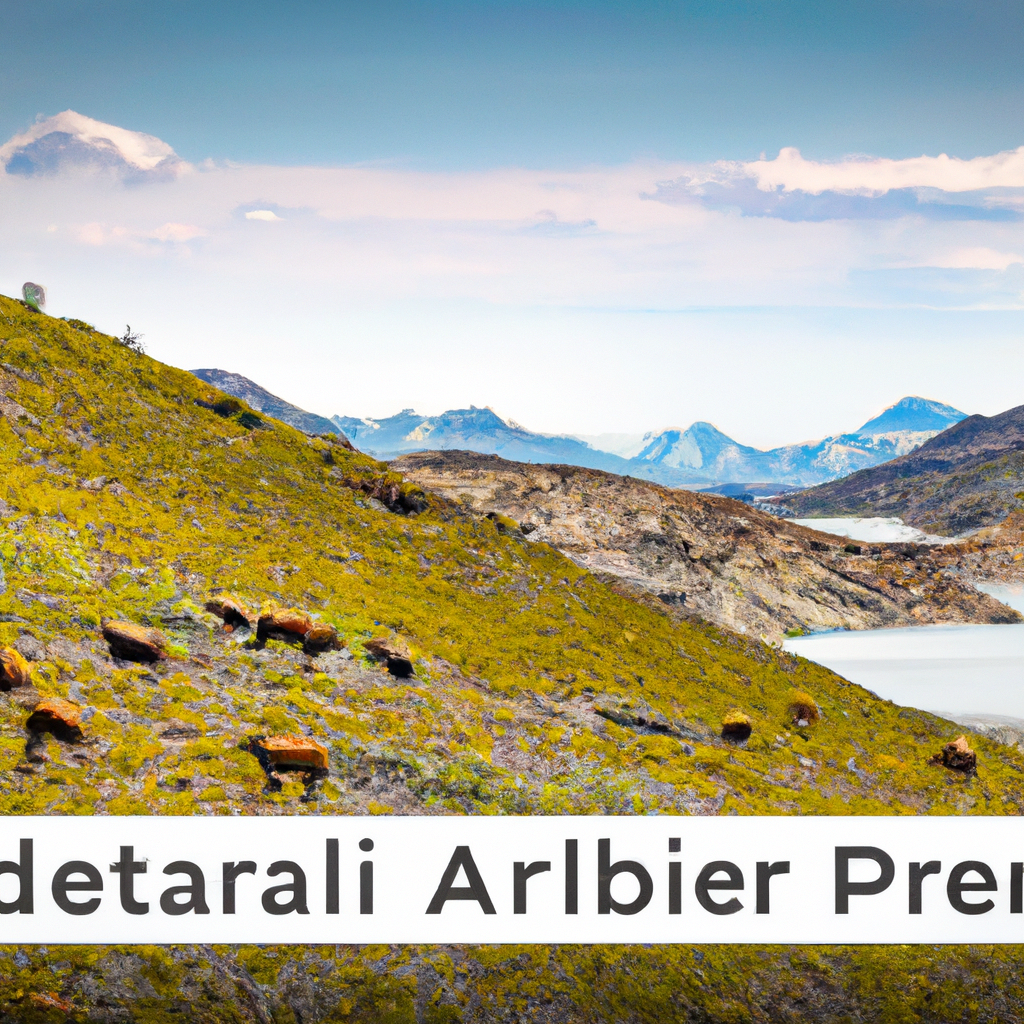
Wildlife Adventures in Montana beckon outdoor enthusiasts and nature lovers alike to explore its breathtaking landscapes filled with incredible animals. Montana, known for its stunning vistas and unspoiled wilderness, is home to a diverse array of wildlife, from the ferocious grizzly bears in Glacier National Park to the majestic bison roaming Yellowstone National Park. This vast state presents limitless opportunities to experience wildlife up close, making it an essential destination for those wondering where to see wildlife in Montana. As you journey through the pristine habitats of Glacier and Yellowstone, you may encounter fascinating species that make Montana a true wildlife paradise. Prepare to embark on unforgettable Wildlife Adventures as we guide you through the best spots for animal sightings in this vibrant state.
Exploring the fauna of Montana offers an exhilarating experience for wildlife enthusiasts eager to witness nature in its most raw and beautiful form. With endless opportunities to engage with wildlife, from the soaring eagles of Flathead Lake to the elusive moose in Glacier National Park, the state stands unrivaled in its biodiversity. To truly immerse yourself in this natural splendor, seek locales ideal for observing the behavior of iconic creatures such as elk, wolves, and pronghorn. Whether you’re trekking through rugged mountains or paddling across serene lakes, the opportunities to connect with Montana’s unique ecosystems are abundant. Join us as we delve into the breathtaking parks and hidden gems where nature awaits, showcasing the wonders of Montana’s diverse wildlife.
Exploring Glacier National Park: A Wildlife Adventure
Glacier National Park stands as one of the premier spots for wildlife adventures in Montana. Spanning over a million acres, this park is a haven for nature enthusiasts eager to observe a variety of species in their natural environments. The best time to explore the park is during the summer months when the wildlife is most active. Visitors can take scenic drives or embark on hiking trails that provide breathtaking views of the park’s dramatic landscapes, while keeping an eye out for the incredible creatures that inhabit this region.
Among Glacier National Park animals, grizzly bears are undoubtedly one of the most sought-after sightings. The Many Glacier and Logan Pass areas are particularly known for bear sightings from May to September. As you traverse the trails, you’re likely to encounter not only grizzly bears but also mountain goats effortlessly scaling steep cliffs. Furthermore, early morning and late evening hikes may reward you with sightings of moose near the wetlands, particularly in areas like Lake McDonald. Therefore, pack your binoculars and camera, as the experience of spotting these iconic Montana wildlife will be nothing short of exhilarating.
Yellowstone National Park Wildlife: An Iconic Experience
Yellowstone National Park, celebrated as a wildlife wonderland, straddles the borders of Montana and Wyoming, making it a significant destination for observing wildlife adventures. Each season offers unique opportunities for wildlife spotting, with the park’s diverse habitats supporting an array of species. Late spring and early winter are particularly ideal for seeing American bison as they graze in Lamar Valley, providing unforgettable moments for visitors hoping to catch a glimpse of these massive creatures in their natural setting.
Additionally, the reintroduction of wolves to Yellowstone has enriched the park’s ecological narrative, allowing visitors to hear the iconic howls echoing through the valleys, especially in the northern regions. September and October mark the prime season for elk sightings, particularly in Mammoth Hot Springs during their rutting period. Therefore, planning your visit during these months can guarantee thrilling wildlife experiences, where the wonders of Yellowstone showcase the best of Montana’s wildlife.
The Undiscovered Wildlife of the Big Hole Valley
While Glacier and Yellowstone attract the majority of the crowds, the Big Hole Valley remains a hidden gem for those interested in intimate wildlife adventures. This expansive area offers diverse ecosystems ranging from open grasslands to woodland areas, encouraging a various range of wildlife. During late summer, one might often spot pronghorn antelope leaping gracefully across the fields, their movements a sight to behold as they navigate their natural habitat.
Moreover, the Big Hole Valley is particularly special in spring when bald eagles are active, nesting along the rivers and lakes. This time of year offers a remarkable opportunity for bird watching, as these majestic raptors soar above their nesting sites. Observers may find themselves enchanted by the sight of sandhill cranes migrating through the valley in both spring and fall, making it a perfect spot for photographers and nature lovers alike.
Flathead Lake: A Coastal Wildlife Viewing Delight
Flathead Lake, known for being the largest natural freshwater lake in the Western United States, serves not only as a recreational hotspot but also as a fantastic location for wildlife adventures in Montana. Surrounded by wetlands, the area around the lake offers rich habitats conducive to various wildlife species, captivating visitors throughout the year. Birdwatchers will be thrilled to see ospreys and herons actively fishing along the shorelines during peak seasons, particularly when fish are plentiful.
In addition to bird species, wildlife enthusiasts can often spot wild turkeys and beavers in the surrounding areas. Early mornings provide the best opportunities for viewing these creatures, as they tend to be more visible before the heat of the day sets in. Adventurous souls can enhance their wildlife watching experiences by exploring the waters of Flathead Lake via kayak or canoe, allowing for serene and unobtrusive observation of the local fauna.
Respecting Wildlife: Essential Guidelines for Observers
As wildlife adventures in Montana offer thrilling experiences, it’s crucial for visitors to respect the natural habitat and the animals that inhabit it. One vital guideline is to maintain an appropriate distance from all wildlife. Observing animals from afar not only protects their well-being but enhances your viewing experience. For instance, when viewing bears or wolves, the recommended distance is at least 100 yards, while a minimum of 25 yards is encouraged for other wildlife such as moose and elk.
Additionally, following the principle of ‘Leave No Trace’ is essential in preserving Montana’s natural beauty. This means sticking to trails, disposing of waste properly, and minimizing disturbances to wildlife and their habitats. Educating oneself about the behaviors of the animals you might encounter can also significantly enrich your adventure, allowing you to appreciate sightings even more deeply, ensuring that wildlife will thrive for generations to come.
Frequently Asked Questions
What are the best places for wildlife adventures in Montana?
Montana offers several prime spots for wildlife adventures, including Glacier National Park and Yellowstone National Park. In Glacier, you can see grizzly bears and mountain goats, while Yellowstone is famous for its American bison and wolves. Other lesser-known locations like the Big Hole Valley and Flathead Lake also provide unique viewing opportunities.
Where can I see Glacier National Park animals during my visit?
To see Glacier National Park animals, focus on areas such as Many Glacier and Logan Pass for grizzly bears and mountain goats. Moose are best spotted near Lake McDonald, especially during early morning or sunset. Keeping a safe distance while enjoying these wildlife adventures is crucial.
What types of wildlife can I expect to see in Yellowstone National Park?
Yellowstone National Park is home to an array of wildlife, including American bison in Lamar Valley, wolves in the northern range, and elk near Mammoth Hot Springs. The park’s varied ecosystems allow for year-round wildlife adventures, with different species being more active at dawn or dusk.
How can I enhance my wildlife adventure experience in Montana?
To enhance your wildlife adventure in Montana, consider hiring a local guide who knows the best viewing spots and animal behaviors. Bring binoculars and a camera for better wildlife observation, and visit during early morning or late afternoon when animals are most active.
What wildlife watching tips should I follow in Montana?
When embarking on wildlife adventures in Montana, always maintain a safe distance from animals, stick to established trails, and follow ‘Leave No Trace’ principles. Educate yourself about the species you may encounter to enrich your experience and ensure respectful wildlife watching.
| Location | Key Wildlife | Best Viewing Times | Tips |
|---|---|---|---|
| Glacier National Park | Grizzly Bears, Mountain Goats, Moose | May to September for Grizzlies; Sunrise/Sunset for Moose | Maintain a safe distance (100 yards from bears); Bring binoculars |
| Yellowstone National Park | American Bison, Wolves, Elk | Late Spring/Winter for Bison; September/October for Elk | Visit early morning or late afternoon for best activity levels |
| Big Hole Valley | Pronghorn Antelope, Bald Eagles, Sandhill Cranes | Late Summer for Antelope; Spring/Fall for Cranes | Consider hiring a local guide for better insights |
| Flathead Lake | Ospreys, Herons, Wild Turkeys, Beavers | Evening hours for Beavers; Dawn/Dusk for Turkeys | Use a kayak or canoe for quiet wildlife viewing |
Summary
Wildlife Adventures in Montana offer a chronologically organized journey through breathtaking landscapes and iconic wildlife. Starting with Glacier National Park, visitors can witness the awe-inspiring grizzly bears and mountain goats between May and September. Next, adventures continue in Yellowstone National Park, where the iconic bison, wolves, and elk can be spotted at various times throughout the year. Following the exploration of Yellowstone, wildlife enthusiasts can discover the hidden treasure of Big Hole Valley, where sightings of pronghorn antelope and bald eagles delight in late summer and spring, respectively. Finally, wrapping up at the stunning Flathead Lake provides a coastal wildlife experience with the best time to watch beavers in the evenings. Each of these locations emphasizes the importance of responsible wildlife viewing, ensuring that Montana remains a sanctuary for its majestic creatures.