
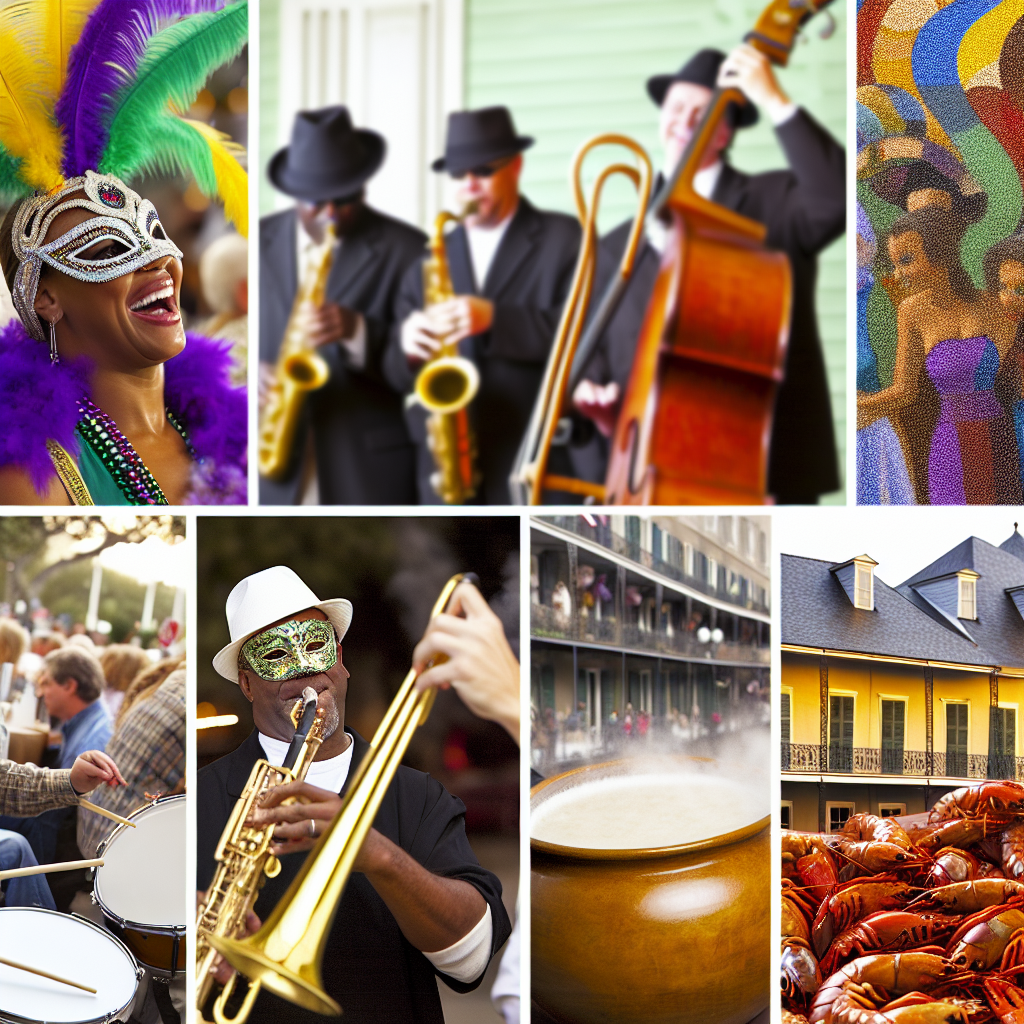
Louisiana history is a tapestry woven with rich threads of French heritage, cultural diversities, and remarkable events that have shaped its identity. From the early French colonization in the 18th century to the remarkable Louisiana Purchase, this state has undergone transformation that reflects a unique blend of cultures, particularly in cities like New Orleans. The influence of Cajun traditions and Creole culture remains prominent in its vibrant festivals, such as the world-famous Mardi Gras. With its captivating blend of music, food, and art, Louisiana culture captivates the hearts of tourists and locals alike. In this exploration, we will unravel the historical milestones that contribute to Louisiana’s status as a cultural jewel in America.
Examining the annals of Louisiana’s past reveals an extraordinary narrative that blends various cultural influences. This state’s deeply ingrained French and Spanish legacies, alongside African and Native American contributions, have created a dynamic social fabric. The historical evolution of Louisiana, from its early days of colonization to the impactful Louisiana Purchase, illustrates the region’s continual adaptation and growth. Cities like New Orleans stand as vibrant reflections of this rich heritage, showcasing a cultural mosaic that celebrates the traditions of Cajun and Creole communities. As we delve into this chronicle, an appreciation for the unique identity and lasting legacy of Louisiana becomes undeniably clear.
Exploring Louisiana’s French Heritage
The roots of Louisiana’s rich culture can be traced back to its early French colonization in the 18th century. When French explorer Robert Cavelier, Sieur de La Salle, claimed the territory for France in 1682, he laid the groundwork for a society that would blend elements of French heritage with indigenous and African influences. The establishment of New Orleans in 1718 marked a pivotal moment in this history, as the city became a melting pot where these diverse cultures would intertwine, giving rise to a unique Louisiana culture that still resonates today.
French influence remains particularly evident in Louisiana’s culinary traditions, language, and festivals. For example, Creole and Cajun cuisines, both rich in flavor and history, showcase how French cooking techniques merged with local ingredients and African culinary practices. Furthermore, the dialect spoken in parts of Louisiana — often referred to as Cajun French — is a direct testament to the region’s French roots, making it a vital aspect of the ongoing narrative of Louisiana’s identity.
Frequently Asked Questions
What role did French heritage play in shaping Louisiana’s history?
French heritage is foundational to Louisiana’s history, beginning with its colonization in the early 18th century. French explorer Robert Cavelier, Sieur de La Salle, claimed the territory in 1682, establishing New Orleans in 1718 as a cultural hub. The French influence remains palpable in the state’s legal systems, architecture, and culinary traditions, making it a distinctive part of Louisiana’s rich historical tapestry.
How did the Louisiana Purchase impact the state’s development?
The Louisiana Purchase in 1803 was a pivotal moment that catapulted Louisiana into American history. This transaction doubled the size of the United States and enabled westward expansion. Louisiana’s diverse population, resulting from its complex colonial past, contributed to a rich cultural landscape that still thrives today, blending traditions from French, Spanish, and African roots.
What traditions are celebrated during Mardi Gras in Louisiana?
Mardi Gras in Louisiana is a vibrant celebration deeply rooted in the state’s French and Spanish heritage. Originating from early carnival practices, this festival features colorful parades, elaborate costumes, and spirited music, reflecting the rich cultural traditions of Louisiana. It draws millions of visitors each year, showcasing Louisiana’s unique blend of Creole and Cajun influences, making this event a hallmark of Louisiana history.
What is the significance of Creole culture in Louisiana’s history?
Creole culture plays a significant role in Louisiana’s history, representing the blend of French, Spanish, African, and Native American influences. This distinctive culture has shaped Louisiana’s food, music, and customs, evidenced by unique culinary dishes such as gumbo and jambalaya. The Creole community’s contributions are essential in understanding Louisiana’s diverse identity and historical evolution.
How have Cajun traditions influenced Louisiana’s cultural landscape?
Cajun traditions, stemming from exiled Acadians in Canada, significantly enrich Louisiana’s cultural landscape. These traditions are evident in Louisiana’s music, folk tales, and famous dishes like crawfish étouffée and boudin. The Cajun community actively participates in preserving their heritage through festivals and culinary practices, reinforcing Louisiana’s identity as a cultural melting pot.
| Period | Key Events | Cultural Highlights | Significance |
|---|---|---|---|
| Early 18th Century | French colonization begins; New Orleans established in 1718. | Cultural hub grows; French laws and land grants implemented. | Foundation of Louisiana’s unique cultural identity. |
| 1762 – 1800 | Spanish control follows a cession by France after the Seven Years’ War. | Spanish architectural influence in New Orleans; advent of carnival celebrations. | Significant impact on Louisiana’s development and cultural landscape. |
| 1800 – 1803 | Louisiana returned to France; Napoleon sells it to the U.S. in 1803. | Beginning of American governance and integration of diverse cultures. | Doubled the size of the U.S. and enabled westward expansion. |
| 1861 – 1865 | Louisiana joins Confederacy; capture of New Orleans by Union forces. | Cultural impact during and after the Civil War, including Reconstruction. | Highlight of Louisiana’s complex social and economic dynamics. |
| Modern Day | Tourism, festivals like Mardi Gras and Jazz Fest; culinary renaissance. | Rich culinary traditions influenced by various cultures. | Celebration of Louisiana’s vibrant heritage attracting global attention. |
Summary
Louisiana history reveals an intricate journey from its French colonial origins to its modern-day significance. The timeline begins in the early 1700s when Louisiana was first colonized by the French, later transitioning to Spanish control as a result of global conflicts. The territory was briefly returned to France, only to be sold to the United States in a monumental purchase that reshaped the nation. Subsequently, Louisiana’s role during the Civil War demonstrated its complex socioeconomic challenges, while its rich cultural amalgamation made it a unique tapestry of traditions. As we explore Louisiana’s history, it underscores the state’s resilience and thriving identity that continues to influence American culture today.