
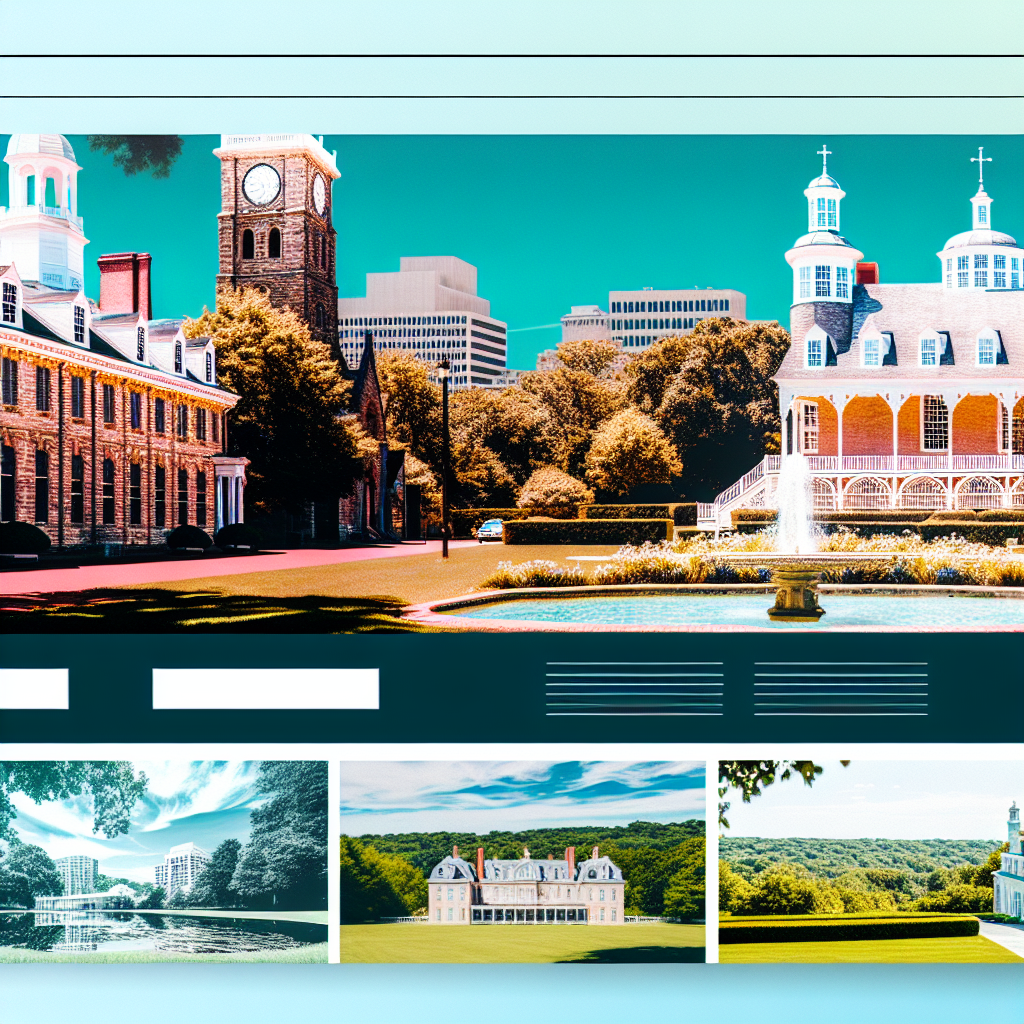
Historic Wilmington stands as a testament to Delaware’s rich heritage, where the echoes of the past resonate through its charming streets and ancient structures. Founded in 1638, Wilmington has evolved from a humble fur trading post into a vibrant urban hub replete with significant Wilmington history. Visitors can immerse themselves in its captivating tales at iconic landmarks such as the Old Swedes Church, a prime example of early American architecture dating back to 1698, and the illustrious DuPont estate, which showcases the city’s industrial evolution. As you stroll through Historic Wilmington, each corner reveals a new story of its revolutionary past and cultural significance, making it a must-visit destination for history buffs and curious travelers alike. Discover the layers of history that have shaped not just Wilmington, but the entire nation.
Exploring the architectural and cultural narrative of Wilmington, you will uncover a wealth of Delaware’s historical treasures that narrate its transformation through the centuries. This enchanting city, often referred to as the heart of Delaware, encapsulates the spirit of early American settlers and revolutionaries. As you wander through its historic districts, you’ll encounter vital landmarks such as the Old Swedes Church and remnants of the industrial legacy left by the DuPont family. The vibrant streets of Wilmington echo the tales of its significant past while offering a contemporary atmosphere that attracts modern visitors. Engaging with Wilmington’s narrative provides a rich tapestry of experiences that celebrate both its historic foundations and dynamic growth.
The Roots of Wilmington’s History
Wilmington’s history traces back to its founding in 1638, making it one of the oldest settlements in America. Originally established as Fort Christina by Swedish settlers, the city has transformed significantly since those early days. The settlement’s key geographical positioning allowed it to flourish as a fur trading hub, all while laying the foundation for a vibrant multicultural community. Wilmington’s diverse origins reflect the complexities of early American history, where different cultures converged and contributed to the area’s growth.
As the city evolved, its name changed to honor Spencer Compton, the Earl of Wilmington, marking a shift towards a more English influence. This change encapsulated Wilmington’s journey towards becoming a vital urban center. Today, the echoes of its origins can still be felt in the architecture and culture that permeate the city. Sites such as the Old Swedes Church, a testament to Wilmington’s rich heritage, draw visitors, offering a unique glimpse into the lives of the early settlers.
Exploring Wilmington’s Historic Districts
Wilmington is home to several well-preserved historic districts, which showcase its architectural beauty and cultural depth. The Old Swedes district, with landmarks like the Holy Trinity Church and the Old Swedes House, invites visitors to explore the early Swedish influence on the area. These sites not only capture stunning architectural features but also house artifacts that narrate the stories of early residents, helping preserve Wilmington’s unique place in American history.
Equally notable is the Market Street Historic District, which embodies the spirit of the 19th century industrial boom. Visitors can stroll through a vibrant landscape filled with 19th-century architecture alongside modern businesses, reflecting Wilmington’s evolution over the years. This seamless blend of old and new serves as a reminder of the city’s resilience and adaptability, standing as a testament to its rich commercial history.
Wilmington’s Role During the American Revolution
Wilmington played a pivotal role during the American Revolution, acting as a critical supply and shipbuilding center for the Continental Army. Its strategic location made it a hotspot for military activity, and several prominent figures, including George Washington, traveled through the city. This transformative period was marked by Wilmington’s efforts to support the revolutionary cause, making it an essential chapter in Delaware’s heritage.
Today, sites like the Delaware Historical Society on Berry Street allow visitors to delve deeper into this tumultuous period. The society offers exhibits and artifacts that illustrate Wilmington’s contributions to the Revolution and the broader American story, providing context to its importance during this formative time. Understanding this history enriches visitors’ appreciation of Wilmington, as they explore how the city embraced its role in shaping the nation.
The Industrial Growth of Wilmington
The 19th century marks a significant turning point in Wilmington’s history, characterized by industrial growth driven by the establishment of key enterprises such as the DuPont Company. Initially founded as a black powder mill, DuPont rapidly transformed into a colossal entity in the chemical industry. This shift not only positioned Wilmington as a major industrial hub but also attracted a workforce that contributed to the city’s population growth.
Visitors can explore the Winterthur Museum, once the du Pont family estate, which showcases the extensive collection of American decorative arts along with beautifully manicured gardens. Nearby, the Hagley Museum and Library recount the burgeoning industrial landscape, focusing on innovations in technology and labor. Together, these attractions highlight Wilmington’s dual legacy as both an industrial powerhouse and a center for cultural and artistic expression.
Wilmington Today: A Blend of Heritage and Innovation
In contemporary Wilmington, the past coexists harmoniously with the present, as the city embraces modernization while preserving its historical landmarks. The riverfront area has been revitalized, offering picturesque views and recreational opportunities alongside historical educational programs. As Wilmington looks forward, it maintains a commitment to honoring its rich heritage through community engagement and tourism, inviting visitors to experience both the old and the new.
Wilmington also hosts a variety of cultural events like the Wilmington Flower Market, which celebrates the city’s agricultural history while showcasing local arts and crafts. This balance of tradition and innovation extends to local businesses that thrive on the engagement of tourists who come to explore Wilmington’s iconic history. From unique walking tours to vibrant festivals, the city remains a dynamic setting for both residents and visitors.
Frequently Asked Questions
What are some key historical landmarks in Historic Wilmington?
Historic Wilmington is home to several key landmarks, including the Old Swedes Church, which was built in 1698, and the Old Swedes House, now a museum showcasing the heritage of early Swedish settlers. Additionally, the Market Street Historic District features stunning 19th-century architecture that reflects Wilmington’s industrial past.
How did Wilmington history influence the American Revolution?
Wilmington played a crucial role during the American Revolution due to its strategic location as a supply and shipbuilding center for the Continental Army. Key figures like George Washington and Thomas Jefferson visited Wilmington, making it a significant site for revolutionary activity.
What can I learn about Delaware heritage when visiting Historic Wilmington?
Visitors to Historic Wilmington can explore Delaware heritage through museums like the Delaware Historical Society, which highlights Delaware’s contributions to the American Revolution. The state’s rich history is also with landmarks such as the Hagley Museum, showcasing the industrial evolution sparked by the DuPont Company.
What cultural experiences does Historic Wilmington offer?
In addition to its historical significance, Historic Wilmington offers a vibrant cultural scene with performances from the Wilmington Drama League and shows at The Grand Opera House. Visitors can also enjoy festivals like the Wilmington Flower Market that celebrate the city’s diverse heritage.
What is the significance of the DuPont estate in Historic Wilmington?
The DuPont estate, particularly Winterthur Museum, is significant in Historic Wilmington as it reflects the industrial boom initiated by the DuPont Company. The estate houses an extensive collection of American decorative arts and is surrounded by beautiful gardens, offering insight into not only Wilmington’s industrial history but also its cultural evolution.
| Key Point | Details |
|---|---|
| Founding | Wilmington was established in 1638 by Swedish settlers as Fort Christina. |
| Historic Districts | Wilmington has well-preserved districts like Old Swedes and Market Street, featuring landmarks such as Holy Trinity Church and 19th-century architecture. |
| American Revolution | The city served as a supply center for the Continental Army and witnessed significant battles. |
| Industrial Growth | In the 19th century, Wilmington saw industrial expansion, notably with the DuPont Company and numerous museums. |
| Cultural Heritage | The arts are vital in Wilmington, with institutions like the Wilmington Drama League and annual festivals. |
| Modern Wilmington | Today, the city combines its historical essence with urban development, attracting tourists and residents alike. |
Summary
Historic Wilmington, Delaware, is a city with a rich heritage that has evolved significantly from its founding in 1638 as Fort Christina. Throughout its history, it has transformed into a key site during the American Revolution. The 19th century marked an industrial boom, highlighted by the rise of the DuPont Company, contributing to the city’s economic growth. Today, Wilmington continues to honor its past while embracing modernity, making it a unique blend of historical charm and urban development that appeals to both visitors and locals.