
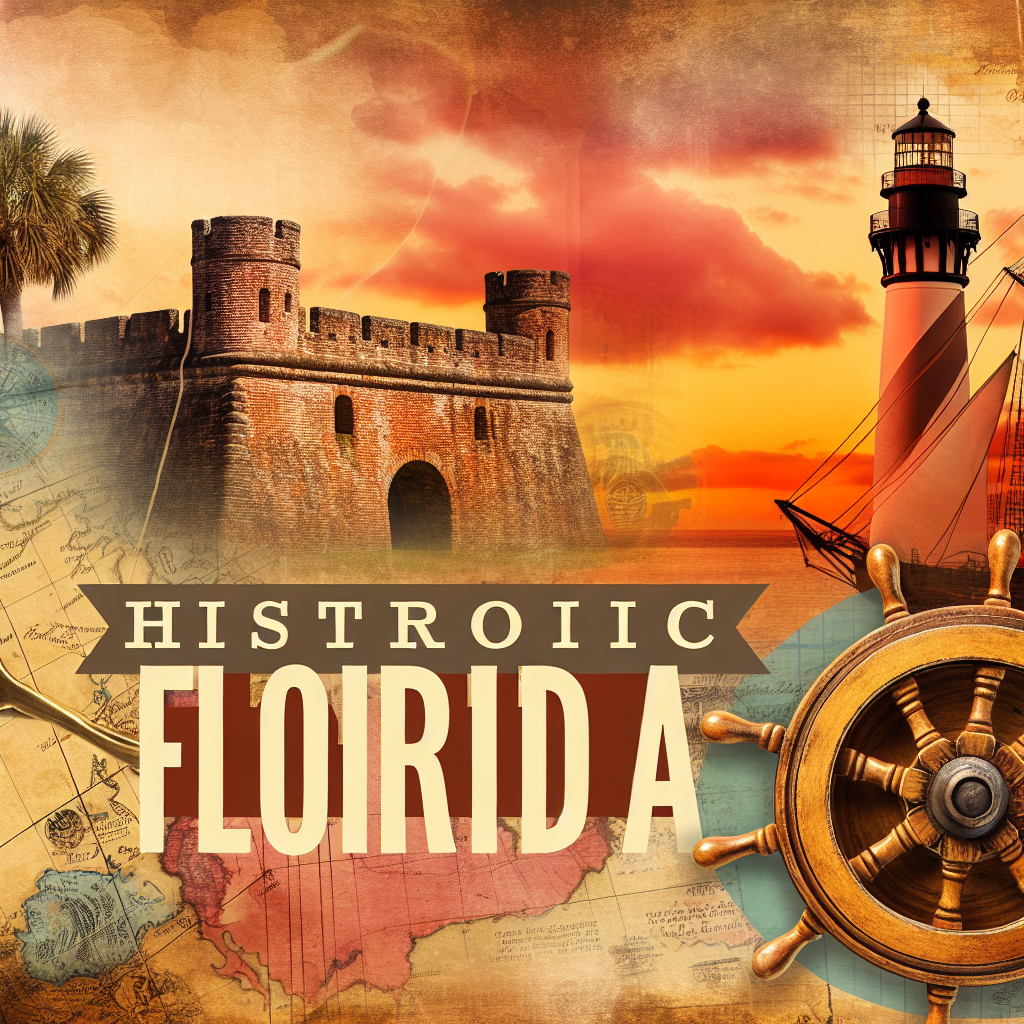
Historic Florida is a treasure trove of remarkable sites that chronicle the state’s vibrant past, from the first European settlements to the fight for civil rights. Among its most notable locations is St. Augustine, the oldest city in the United States, where visitors can explore the impressive Castillo de San Marcos and other landmarks steeped in history. The **Civil Rights Trail** pays homage to the struggles and triumphs of activists who fought for equality, while the **Edison Ford Winter Estates** showcase the innovative spirit of two legendary American inventors. Additionally, the scenic **Florida Lighthouses** and the charming **Fort Pierce Historic District** offer glimpses into the state’s maritime and architectural heritage. Whether you are wandering the cobblestone streets of St. Augustine or touring the lush landscapes of Key West, Historic Florida invites you to immerse yourself in its captivating narrative.
Unveiling the chronicles of Florida’s past reveals a diverse range of historic tales and symbols. The state is carved with significant landmarks reflecting its foundational settlements and cultural evolution, such as the notable streets of St. Augustine and the remnants of Fort Zachary Taylor. Exploring the robust network of sites connected to the Civil Rights Movement provides a deeper understanding of America’s ongoing journey towards equality. Meanwhile, the **Edison Ford Winter Estates** and lighthouse history serve to celebrate innovation and guidance through turbulent waters. Whether you refer to it as the ‘Historic Sites of Florida’ or the ‘Historic Landmarks of the Sunshine State,’ the allure of its rich heritage continues to captivate history enthusiasts and casual visitors alike.
Exploring St. Augustine’s Rich Heritage
St. Augustine, established in 1565, stands as a testament to Florida’s storied past. As the oldest city in the United States, its cobblestone streets and historic architecture provide an immersive experience into the life of early settlers. The centerpiece of this city is the majestic **Castillo de San Marcos**, a formidable fortress made of coquina that has served as a military stronghold throughout history. Tourists often find themselves enchanted by its rich legacy, which is not just about its role in defense but also its place in cultural exchanges between indigenous peoples and European settlers.
In addition to the fort, the **Lightner Museum** showcases collections from the 19th century that reflect the grandeur of early American life. Inside, visitors can admire Victorian antiques and artworks that were once the property of the wealthy industrialist Henry Flagler. The charm of the **Historic District** complements these attractions with its lovely shops and eateries, narrating the continuous evolution of St. Augustine from its founding to modern times.
The Strategic Importance of Fort Zachary Taylor
Fort Zachary Taylor, nestled in Key West, has profound military significance in Florida’s history. Constructed in the mid-1800s, this site played a crucial role during pivotal moments, such as the Civil War and Spanish-American War. Touring the fort unveils stories of military strategy and struggles, allowing visitors to glean insights about how such fortifications protected the crucial shipping lanes of the Caribbean. The fort itself, with its impressive brick walls, serves as a reminder of the nation’s efforts to defend its borders throughout a turbulent era.
When not exploring the fort, visitors can unwind at the surrounding **Fort Zachary Taylor State Park**, an area renowned for its natural beauty. The park offers beautiful beaches and opportunities for outdoor activities, making it an ideal destination for those who love both history and nature. Here, tourists can dive into the past while enjoying a relaxing day in the sun, merging leisure with learning.
The Innovations at Edison and Ford Winter Estates
The **Edison and Ford Winter Estates** in Fort Myers provide a unique glimpse into the lives of two of America’s iconic inventors. Thomas Edison and Henry Ford were not just friends; they were pioneers in their respective fields who deeply influenced modern technology. The estates are beautifully preserved, allowing visitors to explore Edison’s laboratory and Ford’s home, which are filled with historic artifacts and memorabilia. This site stands as a tribute to their groundbreaking inventions and contributions that shaped the industrial landscape of America.
The gardens surrounding the estates enrich the experience, featuring an array of exotic plants introduced by Edison and his interest in botany. Guided tours offer detailed narratives of their friendships, revealing how their innovative spirits drove them to pursue shared passions in both science and nature. This blend of history, innovation, and environmental beauty makes the estates a must-visit for anyone interested in the legacies of these influential figures.
Florida’s Civil Rights Trail: A Journey Through Time
The **Civil Rights Trail** in Florida showcases the significant contributions of local activists in the fight for equality during the 1960s. This trail features key sites, such as the **Zimbabwe House** in Miami and the **Bethel African Methodist Episcopal Church** in Orlando, which served as pivotal meeting points during this historic struggle. By visiting these locations, tourists can gain a profound understanding of the civil rights movement’s impact in Florida, emphasizing the courage and determination of those who fought for justice.
Florida’s **Civil Rights Museum** in Tampa complements this trail with exhibits detailing the state’s complex history of segregation and activism. The museum highlights personal stories and pivotal events that shaped the civil rights landscape, making the struggle for equality tangible for all who visit. Embarking on this journey not only enlightens visitors about the past but also encourages reflection on ongoing social issues in today’s society.
Navigating Florida’s Historic Lighthouses
Florida’s lighthouses are not only architectural marvels but also vital navigational aids that tell the story of maritime history. The **Cape Canaveral Lighthouse**, active since the 1800s, has stood witness to many significant moments, including the dawn of space exploration. Climbing to its summit offers breathtaking views and a profound appreciation of the role lighthouses have played in safeguarding sailors and shaping maritime commerce.
Meanwhile, the **St. Augustine Lighthouse and Maritime Museum** serves as both a historical site and an educational center where visitors can learn about the importance of these beacons throughout Florida’s history. This lighthouse, resplendent with its striking black and white stripes, also hosts interactive exhibits that delve into the life of lighthouse keepers and the technology used in guiding vessels. Exploring these lighthouses not only enhances understanding of Florida’s coastal traditions but also celebrates the resilience and ingenuity behind these captivating structures.
Frequently Asked Questions
What are the key historical sites to visit in St. Augustine, Florida?
St. Augustine, often referred to as the oldest city in the United States, offers several historical landmarks to visitors. Key sites include the **Castillo de San Marcos**, a well-preserved 17th-century fortress, and the **Lightner Museum**, which showcases 19th-century art and artifacts. Exploring the **Historic District** allows tourists to enjoy shops, restaurants, and reenactments that bring the city’s rich history to life.
How does Fort Zachary Taylor contribute to Florida’s military history?
**Fort Zachary Taylor**, located in Key West, is a National Historic Landmark that played crucial roles during the Civil War and the Spanish-American War. The fort’s construction in the mid-1800s marked its significance in military strategy. Visitors today can engage in guided tours that explore the fort’s historical importance while enjoying the beautiful state park surrounding it.
What can I expect to see at the Edison and Ford Winter Estates?
At the **Edison and Ford Winter Estates** in Fort Myers, guests can explore the historic homes of inventors Thomas Edison and Henry Ford. The site features lush gardens, Edison’s laboratory, and a rich collection of artifacts that exhibit their inventions and contributions. Guided tours provide insightful narratives about their friendship and passion for innovation, making it a must-visit for history enthusiasts.
What are some significant locations along Florida’s Civil Rights Trail?
The **Civil Rights Trail** in Florida includes several landmark sites that played pivotal roles in the Civil Rights Movement. Notable locations include the **Zimbabwe House** in Miami and the **Bethel African Methodist Episcopal Church** in Orlando, where many key meetings took place. The **Florida Civil Rights Museum** in Tampa offers exhibits educating visitors about the struggles for civil rights in the state, capturing the essence of this important part of history.
Where can I learn about Florida’s lighthouse history?
Florida’s lighthouses are not only navigational aids but also rich historical sites. The **St. Augustine Lighthouse and Maritime Museum** details maritime history, while the **Cape Canaveral Lighthouse**, active since the 1800s, offers breathtaking views and historical insights. Visitors can climb these lighthouses and experience firsthand the legacy of maritime navigation along Florida’s coasts.
| Historic Site | Key Features | Significance |
|---|---|---|
| St. Augustine | Oldest city in the U.S., Castillo de San Marcos, and Lightner Museum. | Tells the story of early European settlement and showcases colonial architecture. |
| Fort Zachary Taylor State Park | Civil War and Spanish-American War historic significance, guided tours. | Represents Florida’s military history and local natural beauty. |
| Edison and Ford Winter Estates | Historic laboratory and residences of Edison and Ford, gardens. | Highlights contributions of two major American inventors and their lifestyles. |
| The Civil Rights Trail | Zimbabwe House, Bethel AME Church, and the Florida Civil Rights Museum. | Honors Florida’s contributions and struggles in the Civil Rights Movement. |
| Florida’s Lighthouses | Cape Canaveral Lighthouse and St. Augustine Lighthouse. | Showcases maritime history and navigational importance. |
| Fort Pierce Historic District | 31 historic buildings, including city marina and Sunrise Theatre. | Demonstrates 20th-century development and architectural history. |
Summary
Historic Florida is a testament to the diverse and rich history of the state, beginning with the founding of St. Augustine in 1565 as the oldest city in the U.S. This journey continues through the pivotal military history showcased at Fort Zachary Taylor and the significant contributions of inventors at the Edison and Ford Winter Estates in the late 19th century. The Civil Rights Trail highlights key efforts that shaped modern Florida in the 1960s, while the state’s iconic lighthouses reveal maritime heritage, and the Fort Pierce Historic District showcases 20th-century evolution. Overall, exploring these historic sites helps visitors connect deeply with the cultural and historical narratives that define Florida.